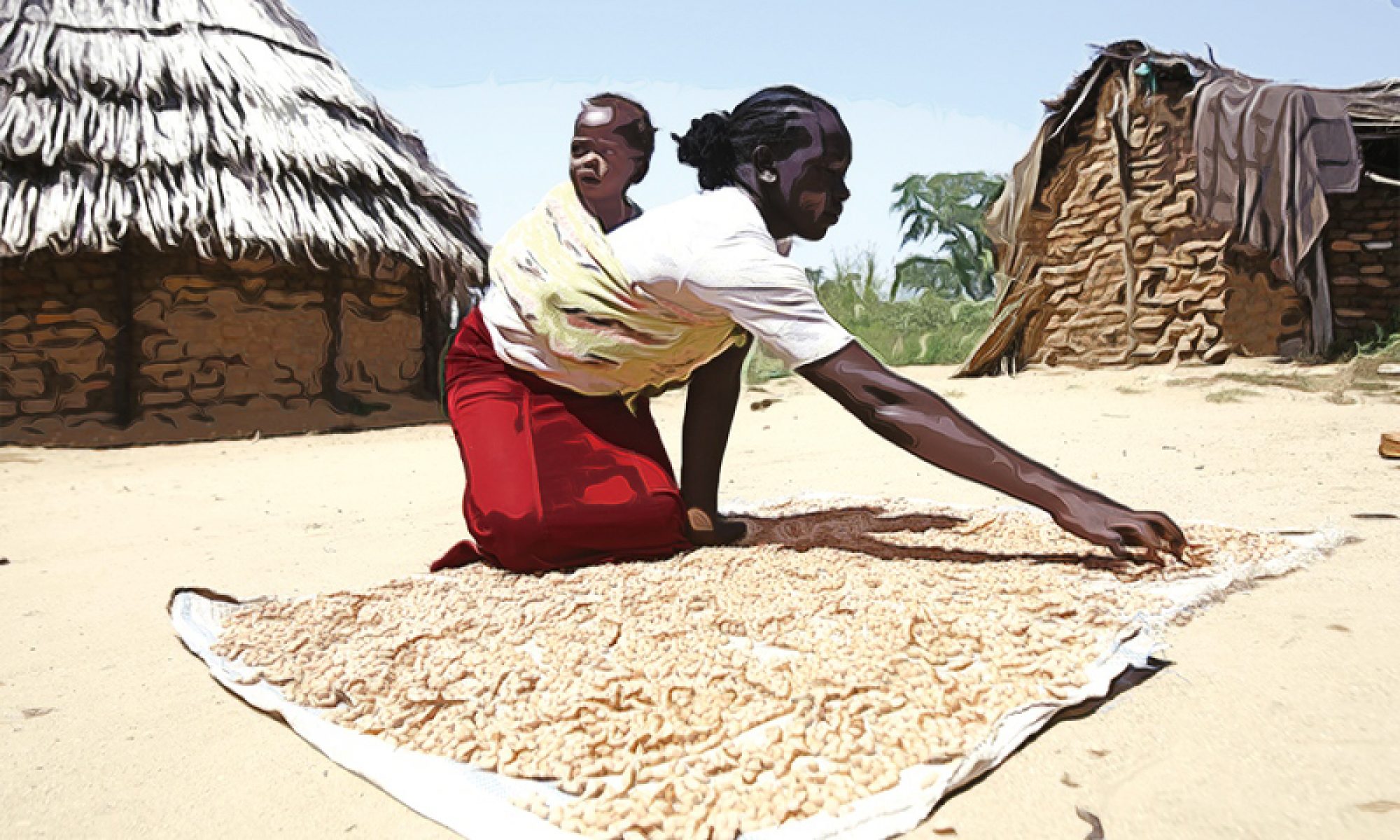
Darfur, located in western Sudan, has endured decades of instability marked by armed conflict, displacement, and chronic under investment in social infrastructure. These conditions have influenced almost every aspect of daily life, particularly for women and children, who often bear the heaviest burdens during times of crisis. Despite these challenges, local communities remain rooted in centuries-old cultural practices that continue to shape their lifestyles and values.
Family Structures and Community Life
Family and Kinship
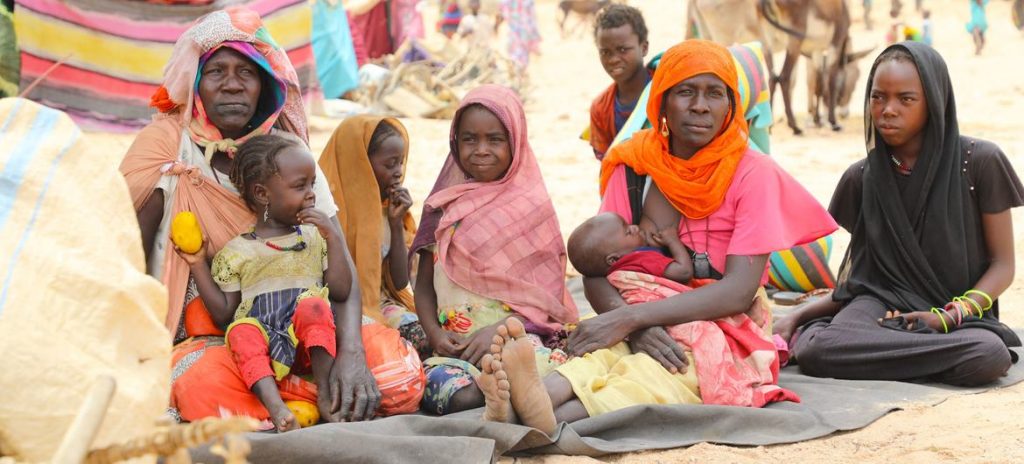
- Extended Family Networks: Family ties are the cornerstone of life. Extended family networks provide social, economic, and emotional support.
- Role Distribution: Traditionally, societal roles are defined along gender lines, with men often involved in decision-making and women assuming responsibility for household management, childcare, and securing food through agricultural or artisanal work.
Community Cohesion
- Tribal and Religious Affiliations: Community identity is strongly linked to tribal and religious affiliations. These elements foster mutual support, yet they can also influence gender expectations and access to resources.
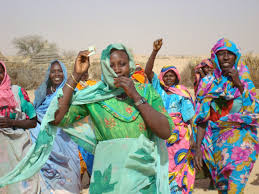
- Collective Resilience: Community elders, women’s groups, and local leaders play critical roles in conflict resolution, maintenance of cultural traditions, and the organization of communal events that help preserve a sense of normalcy amidst uncertainty.
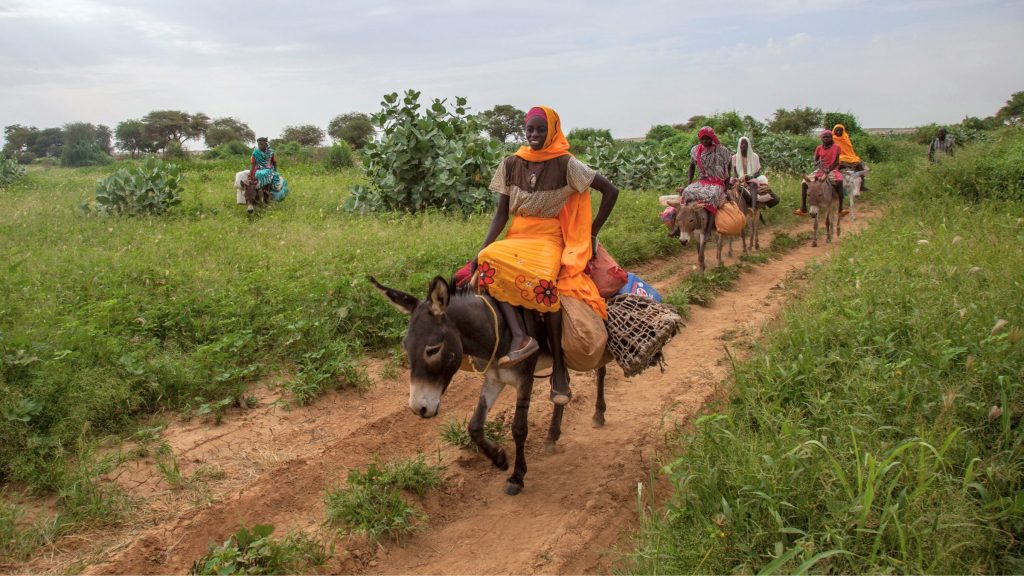
Daily Life and Economic Activities
Agriculture and Livelihoods
- Subsistence Farming: A large segment of the population relies on small-scale agriculture and pastoralism. Women often participate actively in planting, harvesting, and processing, despite societal restrictions.
- Market and Trade: In many communities, informal trading constitutes an essential economic activity. Women, in particular, are recognized for their skills in market trading and handicrafts, using these opportunities to generate income and sustain their families.
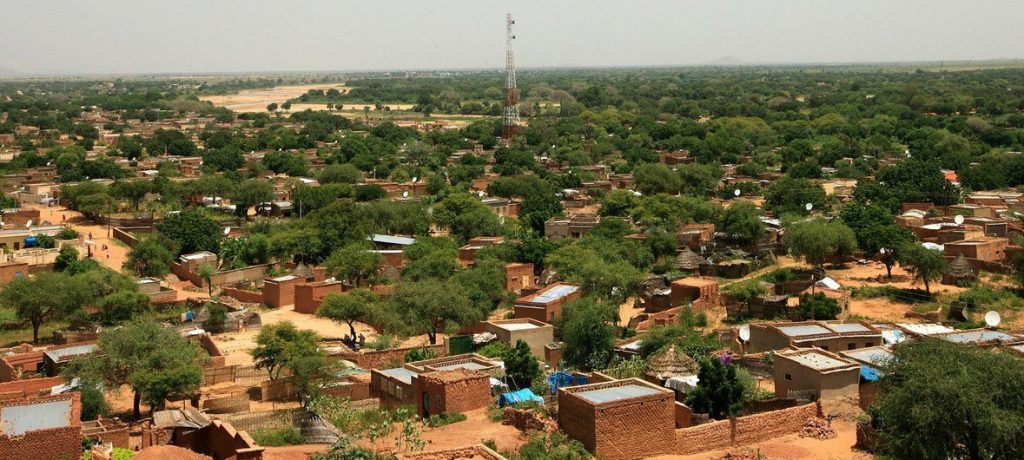
Housing and Settlement Patterns
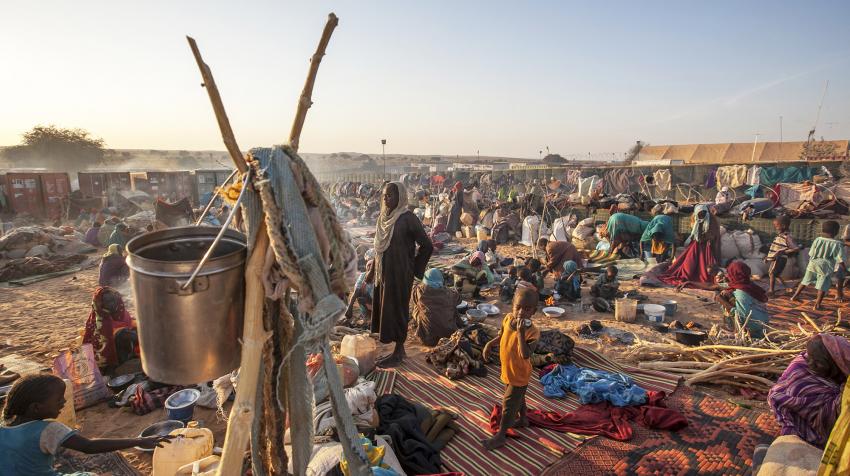
- Rural Villages and Displacement Camps: Many families still live in traditional rural villages, though decades of conflict have also led to the growth of displacement camps and temporary settlements.
- Resource Limitations: Basic amenities such as clean water, electricity, and healthcare are frequently in short supply, impacting daily routines and overall well-being.
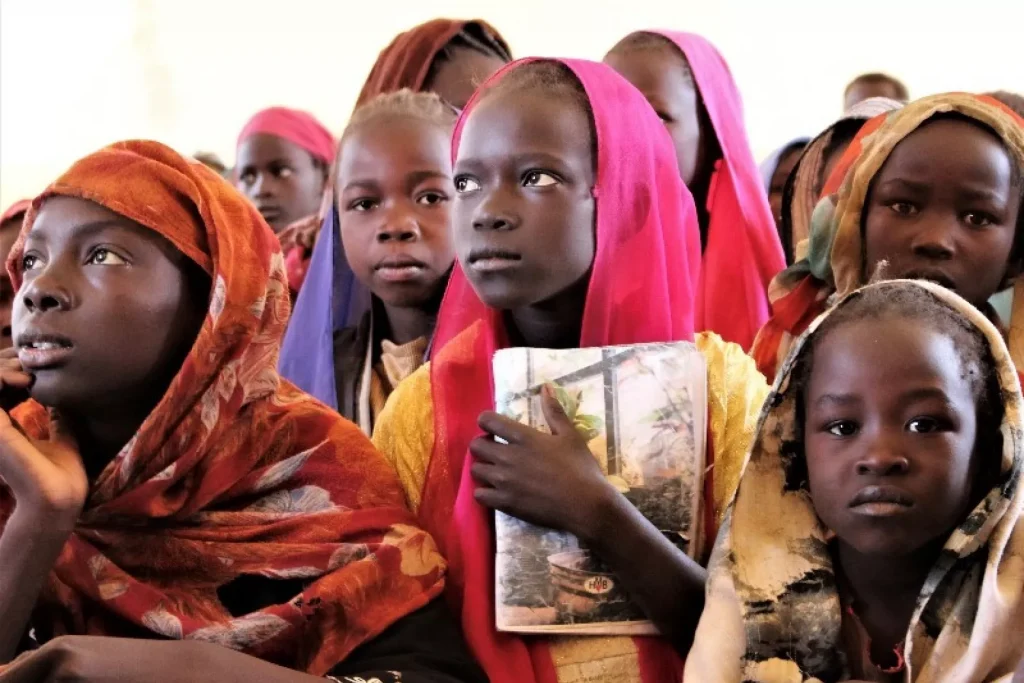
Education and Socialization
Access to Education
- Challenges for Children: Conflict and instability have often led to school closures and disrupted educational trajectories. Many children face long journeys to access learning centers, and in some cases, their attendance is compromised by the need to contribute to household labor.
- Community Initiatives: Numerous local and international organizations have established alternative learning spaces, including mobile classrooms and community-based education programs. Such initiatives help keep children engaged in learning even in difficult circumstances.
Socialization and Cultural Transmission
- Traditions and Practices: Storytelling, music, dance, and traditional ceremonies remain vital for transmitting values and history. Women play a key role in nurturing these practices, both in the home and community gatherings.
- Gender Norms: While cultural traditions offer a rich tapestry of history and belonging, they also come with gendered expectations that can limit opportunities for both women and children. However, gradual shifts—often propelled by local NGOs and international aid—are broadening the discussion around gender roles.
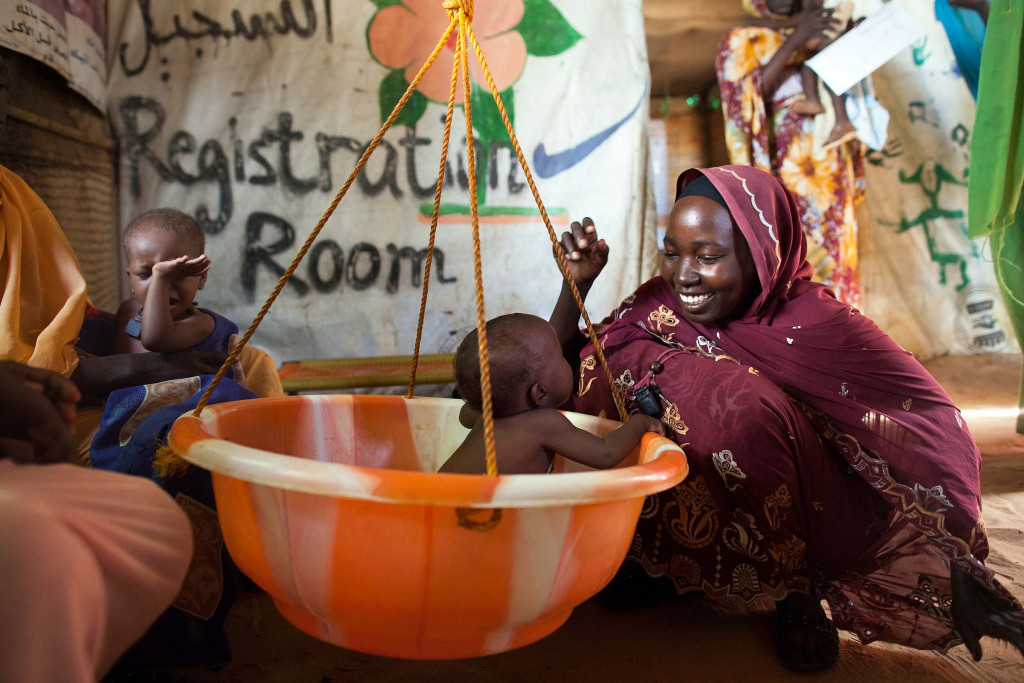
Health, Nutrition, and Well-Being
Healthcare Access
- Maternal and Child Health: Limited healthcare facilities and chronic resource shortages mean that maternal and child health is a primary concern. Many communities depend on traditional healing alongside sporadic aid from health organizations.
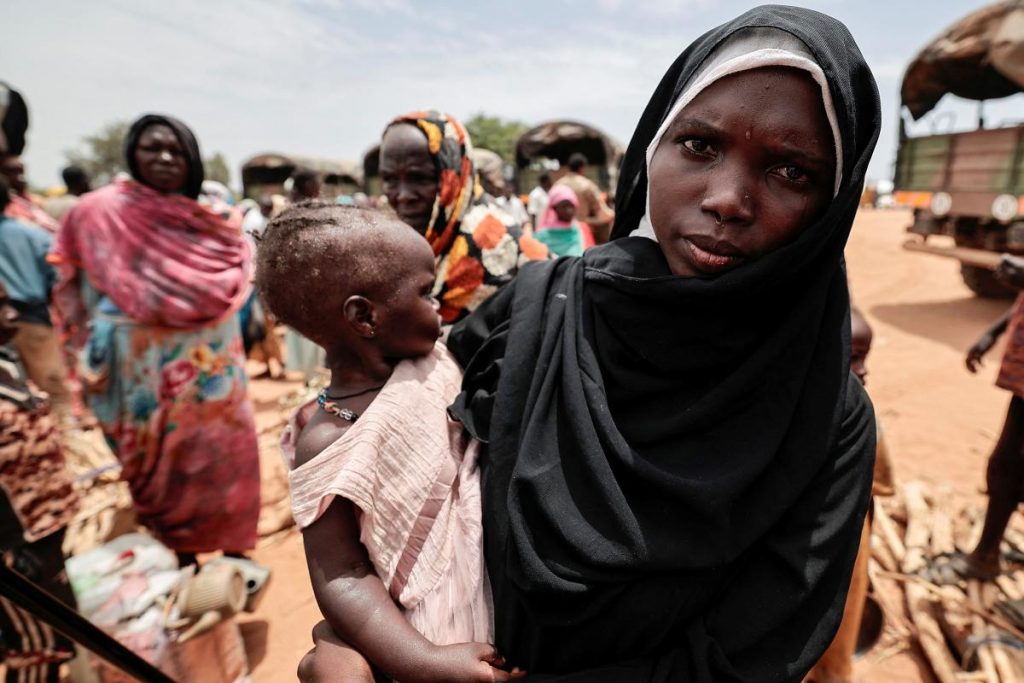
- Nutrition: Food insecurity, exacerbated by conflict and drought, frequently leads to malnutrition, particularly among children and expectant mothers.
Psychosocial Dimensions
- Emotional Resilience: The emotional toll of displacement and insecurity is significant. Many women and children benefit from psychosocial support initiatives that offer counseling, community-based therapeutic activities, and safe spaces where they can express their experiences.
- Community Healing: Local cultural practices, including religious gatherings and collective storytelling, also serve as informal support systems that help communities process and heal from trauma.
Impact of Conflict and Displacement on Lifestyle
Adaptation to Changing Circumstances
- Disrupted Routines: Years of conflict have not only led to physical displacement but have also redefined social routines. Families in displacement camps attempt to recreate familiar structures through the establishment of informal community centers and shared spaces.
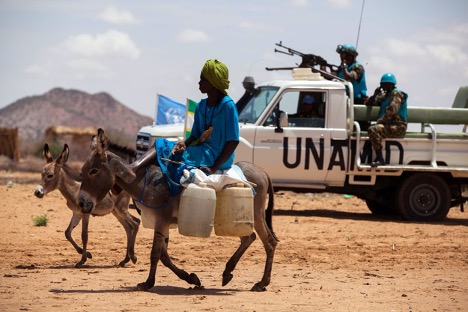
- Security Concerns: Everyday activities—from fetching water to sending children to school—can be fraught with risks. Constant vigilance against potential threats influences mobility, social interactions, and even participation in community events.
- Resource Scarcity: Prolonged conflict often means limited access to livelihood opportunities and essential services, forcing families to adopt creative, albeit challenging, survival strategies.
The Role of NGOs and International Support
Bridging Gaps
- Development Programs: International and local non-governmental organizations continue to adapt interventions that improve quality of life. These include vocational training programs for women, child education initiatives, and community health campaigns.
- Empowerment Initiatives: Efforts aimed at economic empowerment and social inclusion help challenge restrictive gender norms. Training in various skills—not just traditional crafts—empowers women to extend their roles beyond defined societal boundaries.
- Sustainable Practices: There is a growing focus on supporting locally driven projects, ensuring that aid programs are culturally sensitive and sustainable over the long term.
Looking Ahead: Challenges and Opportunities
Ongoing Challenges
- Systemic Barriers: Remnants of conflict, systemic poverty, and male-dominated cultural norms continue to limit opportunities for both women and children.
- Infrastructural Limitations: Inadequate infrastructure—ranging from education and healthcare facilities to reliable water supplies—remains one of the greatest impediments to a thriving lifestyle.
Emerging Opportunities
- Community Resilience: Despite these challenges, the resilient nature of Darfur’s communities offers hope. Grassroots initiatives led by local women’s groups and youth associations are gradually redefining what is possible.
- Integrated Approaches: Initiatives that integrate education, health, economic development, and psychosocial support have the potential to create long-lasting improvements in quality of life.
- Cultural Revitalization: By celebrating and modernizing cultural traditions, communities are finding ways to preserve their identity while embracing change.
The lifestyle for women and children in Darfur is a complex tapestry woven with threads of resilience, cultural pride, and persistent hardship. While daily life is shaped by the impacts of conflict and resource scarcity, the enduring bonds of family and community offer a foundation for hope and renewal. The evolving role of NGOs, international agencies, and community leaders promises new strategies for overcoming these challenges—highlighting that even in the most adverse conditions, the human spirit continues to thrive.