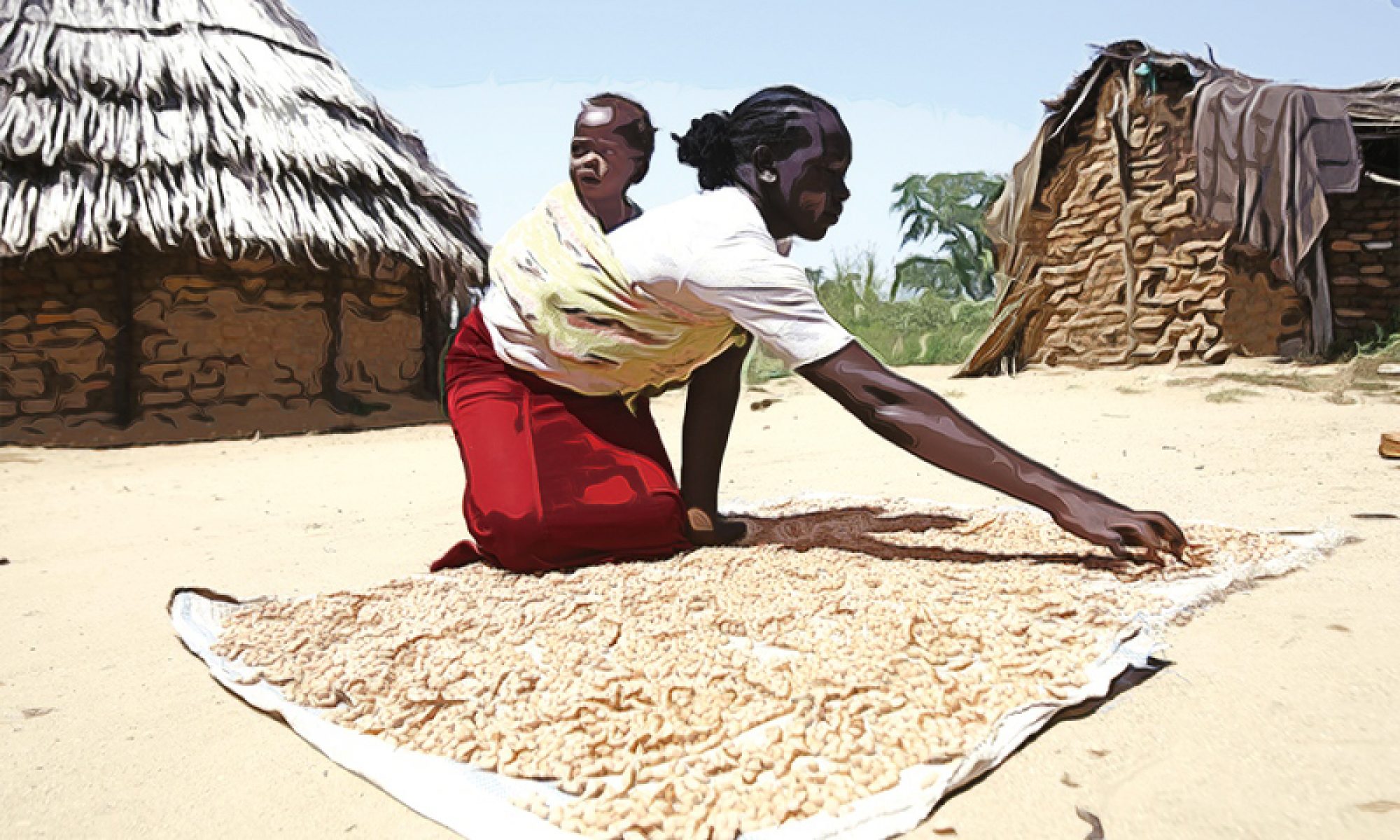

Darfur has been profoundly impacted by decades of conflict, displacement, and poverty. These conditions have not only disrupted social structures but have also created significant challenges to child health. Children in Darfur—among the most vulnerable members of society—often face a double burden of direct conflict effects and long-term developmental health challenges. This report aims to shed light on the multifaceted dimensions of child health in Darfur, outlining the current conditions, the prevailing health challenges, promising interventions, and strategic recommendations to secure a healthier future for Darfur’s children.
Socioeconomic and Environmental Context
Impact of Protracted Conflict and Displacement
- Conflict and Insecurity: Ongoing violence and sporadic clashes have led to widespread insecurity. Health facilities are frequently disrupted or destroyed, and many families are forced into displacement camps where overcrowding and limited resources heighten health risks.
- Displacement and Fragmented Communities: The forced migration of families means that children experience interrupted schooling, reduced access to regular health checkups, and increased exposure to harsh living conditions. Overcrowded camps and informal settlements often lack the infrastructure needed for sanitation, clean water, and adequate nutrition.
Environmental Factors
- Water, Sanitation, and Hygiene (WASH): Many communities face challenges accessing safe water. Poor sanitation and limited hygiene facilities contribute to a high prevalence of waterborne diseases.
- Food Insecurity and Malnutrition: Disrupted economic systems and erratic agricultural production contribute to chronic food insecurity, putting children at high risk for malnutrition and related health complications.
Key Health Challenges Facing Children
Infectious Diseases and Preventable Illnesses
- Communicable Diseases: Children in Darfur are frequently exposed to infectious diseases such as measles, diarrhea, pneumonia, and malaria. The breakdown of routine immunization programs, coupled with overcrowded living conditions, often leads to outbreaks.
- Waterborne and Respiratory Infections: Limited access to clean water and poor sanitation conditions increase the risk of gastrointestinal infections. Crowded shelters and displacement settlements also escalate the spread of respiratory infections.
Nutrition and Malnutrition
- Acute and Chronic Malnutrition: Malnutrition is a pervasive issue. Both acute malnutrition (wasting) and chronic malnutrition (stunting) are common among children due to insufficient food intake, micronutrient deficiencies, and an elevated incidence of infections that exacerbate nutritional deficits.
- Micronutrient Deficiencies: Deficiencies in vitamin A, iron, and iodine contribute to impaired cognitive and physical development, making children more vulnerable to infections and long-term developmental challenges.
Mental Health and Psychosocial Stress
- Trauma and Stress: The exposure to conflict, loss of family members, and repeated displacement leave lasting psychological scars. Post-traumatic stress, anxiety, and depression are frequently reported, though mental health services remain scarce.
- Impact on Development: Chronic stress and trauma can impair emotional and cognitive development. Children in these settings may experience difficulties in schooling and social interactions, ultimately hindering their potential for future economic and social participation.
Limited Access to Quality Healthcare
- Healthcare Infrastructure Shortfalls: Health facilities in Darfur are often understaffed, under-resourced, and difficult to reach due to insecurity and infrastructural damage. Essential services such as immunizations, malnutrition screening, and childhood disease management are intermittently available.
- Human Resource Constraints: There is a significant shortage of trained pediatric care providers. This scarcity is further compounded by cultural barriers, where a lack of female healthcare workers may limit access to care for young girls and women seeking maternal services.
Programmatic Responses and Interventions
Humanitarian and Health Initiatives
- Mobile Clinics and Outreach: To mitigate the challenges of constant displacement and insecurity, many international organizations (e.g., UNICEF, Médecins Sans Frontières, and Save the Children) deploy mobile clinics that offer vaccinations, nutritional support, and primary medical care in remote or conflict-affected areas.
- Immunization Campaigns: Intensive vaccination drives are organized periodically to combat outbreaks of measles, polio, and other communicable diseases in displaced communities and fragile health systems.
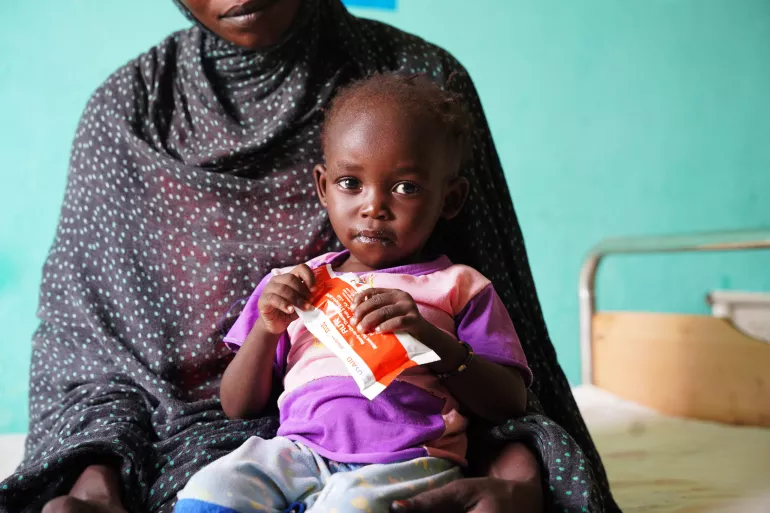
- Nutrition Programs: Supplementary feeding programs using ready-to-use therapeutic foods (RUTF) and micronutrient supplementation have been implemented to address acute malnutrition and micronutrient deficiencies. Outreach efforts aim to support mothers with infant and young child feeding (IYCF) practices.
Strengthening WASH Initiatives
- Provision of Clean Water: Several NGOs have initiated projects to drill boreholes, install water pumps, and improve sanitation facilities within camps and rural communities.
- Hygiene Promotion: Community outreach programs focus on enhancing hygiene practices, distributing hygiene kits, and educating families on water purification methods.
Psychosocial and Mental Health Support
- Community-Based Support Groups: Programs that integrate mental health services into regular health care have been set up in some areas. Counseling services, psychosocial support groups, and safe spaces for children are being established to help manage stress and trauma.
- Capacity Building: Training local health workers and community leaders to recognize signs of psychological distress and provide initial support can foster a more resilient community framework.
Challenges in Implementation
Security and Mobility
- Access Constraints: Ongoing conflict restricts access to health facilities and impedes the regular functioning of mobile clinics. Insecurity often forces health agencies to suspend operations temporarily, breaking the continuity of care.
Insufficient Funding and Resources
- Humanitarian Funding Volatility: The heavy reliance on unpredictable international humanitarian aid and donor funding jeopardizes long-term program sustainability. Limited resources affect the procurement of essential supplies, the recruitment of staff, and the expansion of services.
Cultural and Social Barriers
- Traditional Beliefs: Prevailing cultural norms and misconceptions about disease and medical treatment sometimes prevent early detection and treatment of illnesses among children. Overcoming these beliefs requires targeted education and community engagement.
Strategic Recommendations for Improving Child Health
Enhance Health Service Accessibility
- Decentralized Health Delivery: Expand mobile and community outreach services to ensure that even the most remote populations receive regular and comprehensive care. Establishing additional community health posts staffed by trained local workers can help bridge existing gaps.
- Strengthen Referral Systems: Improve coordination among local, regional, and international health entities to ensure a reliable referral process for pediatric emergencies and complex cases.
Invest in Integrated, Multi-Sectoral Programs
- Integrated Nutrition and Healthcare: Coordinate nutrition, immunization, and primary healthcare programs to address multiple risk factors simultaneously. Integrating health services within existing community structures can ensure broader and more consistent coverage.
- Combined WASH and Health Education Campaigns: Enhance initiatives that integrate water, sanitation, and hygiene promotion with child health awareness campaigns. These combined efforts can reduce the prevalence of waterborne diseases and improve overall health outcomes.
Expand Mental Health and Psychosocial Services
- Early Intervention Programs: Develop early childhood development and psychosocial support programs that incorporate trauma-informed care. Training teachers, community health workers, and caregivers to recognize and address early signs of psychological distress is critical.
- Community Resilience Building: Encourage the development of local support networks and peer-counseling groups. These groups not only provide immediate support for affected children but also empower communities to address long-term mental health challenges.
Foster Sustainable Partnerships and Funding Mechanisms
- Multi-Stakeholder Collaborations: Strengthen collaboration between governmental agencies, local NGOs, international development organizations, and donor agencies. A coordinated approach can help secure long-term investments in child health infrastructure and program sustainability.
- Innovative Financing Models: Explore alternative funding models—including public-private partnerships, social impact bonds, and community-based financing—to reduce over-reliance on ad hoc humanitarian funding.
Child health in Darfur remains a critical humanitarian and development challenge, largely driven by the region’s history of conflict, displacement, and infrastructural deficits. Despite significant obstacles, progress is being made through mobile health services, immunization campaigns, nutritional interventions, and emerging mental health support initiatives. Empowering local communities, expanding integrated service delivery, and mobilizing sustainable funding are essential to turning the tide for Darfur’s youngest citizens.
By investing in resilient health infrastructures, fostering multi-sectoral collaborations, and tailoring interventions to the unique needs of displacement-affected communities, stakeholders can create a more hopeful future where every child in Darfur has access to quality health care, improved nutrition, and the opportunity to thrive.