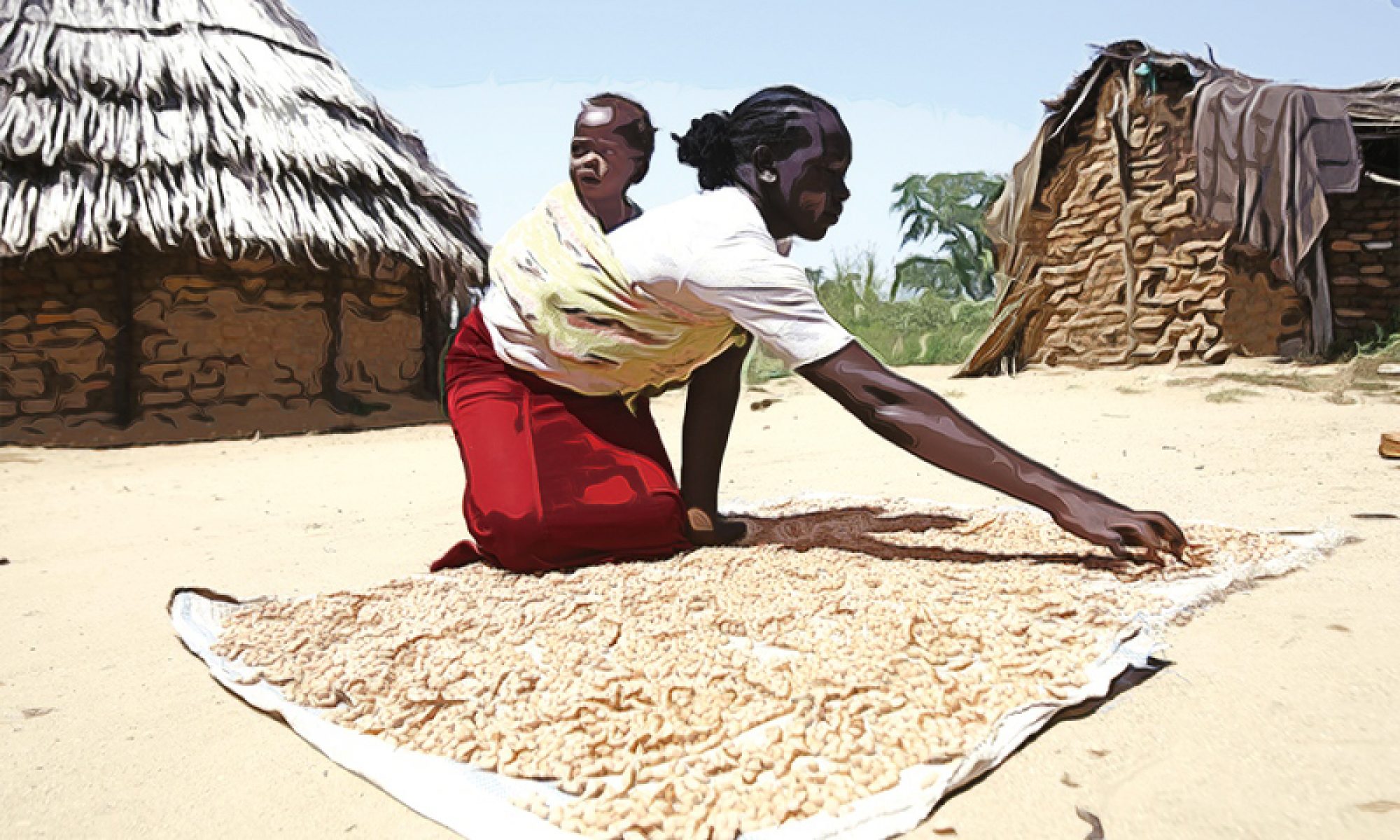

The nutritional status of women and children in Darfur is a critical concern, exacerbated by ongoing conflict, displacement, and limited access to essential services. This report provides an in-depth analysis of the current state of nutrition for women and children in Darfur, highlighting key challenges, initiatives, and recommendations for improvement.
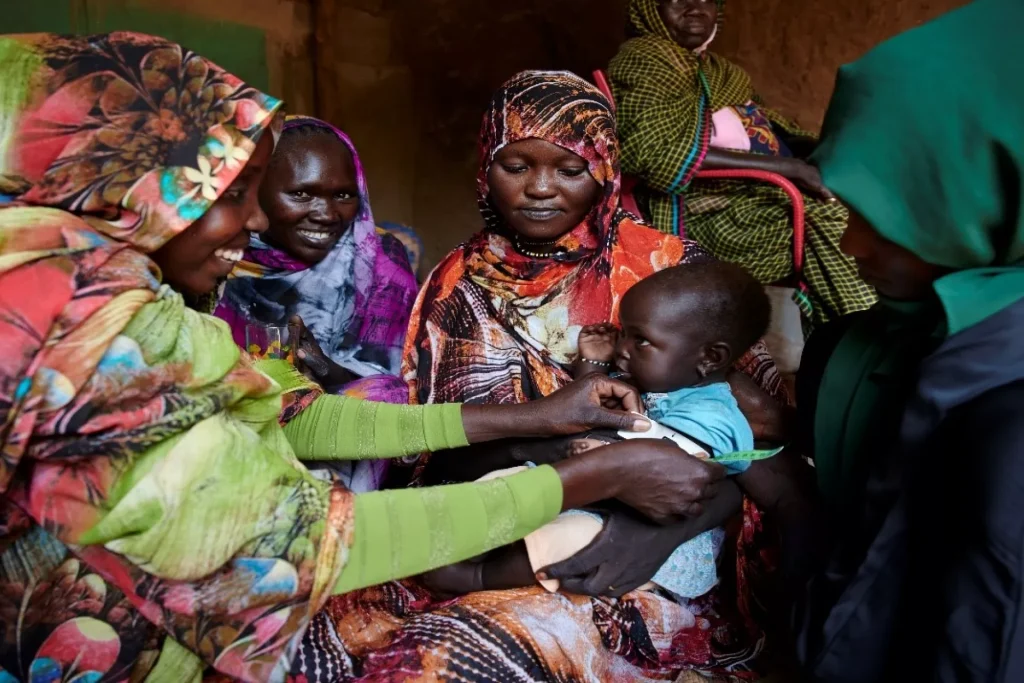
Current State of Nutrition
The nutritional situation in Darfur is dire, with high levels of malnutrition among women and children. The conflict has led to widespread food insecurity, making it difficult for families to access nutritious food. As a result, many women and children suffer from acute malnutrition, which has severe implications for their health and well-being.
Key Challenges
- Food Insecurity: The ongoing conflict has disrupted food production and distribution, leading to widespread food insecurity. Many families struggle to access sufficient and nutritious food, resulting in high levels of malnutrition.
- Limited Access to Healthcare Services: The destruction of healthcare infrastructure has made it difficult for women and children to access essential nutrition services. Many healthcare facilities are non-functional, and there is a shortage of trained healthcare providers.
- Displacement: The conflict has resulted in large-scale displacement, with many women and children living in overcrowded and under-resourced camps. Displaced families often lack access to nutritious food and clean water, exacerbating the problem of malnutrition.
- Gender-Based Violence: Conflict-related gender-based violence, including sexual violence, is pervasive in Darfur. Malnourished women who have experienced violence are at higher risk of complications during pregnancy and childbirth, and their babies are more likely to be born with low birth weight and other health issues.
- Disease Outbreaks: The lack of access to clean water and sanitation increases the risk of disease outbreaks, which can further exacerbate malnutrition. Malnourished children are more susceptible to diseases, and sick children are more likely to become malnourished.
Initiatives and Programs
Several organizations are working to improve nutrition for women and children in Darfur through various initiatives and programs:
- United Nations Children’s Fund (UNICEF): UNICEF provides nutritional support to children and pregnant women, including therapeutic feeding programs for severely malnourished children. They also support community-based nutrition programs and promote breastfeeding.
- World Food Programme (WFP): WFP provides food assistance to vulnerable families in Darfur, including school feeding programs and food distribution in displacement camps. They also support initiatives to improve food security and promote sustainable agriculture.
- Médecins Sans Frontières (MSF): MSF provides medical care and nutritional support to women and children in Darfur. They run therapeutic feeding centers for severely malnourished children and offer nutritional supplements to pregnant and breastfeeding women.
Recommendations for Improvement
To address the nutrition crisis in Darfur, the following recommendations are proposed:
- Strengthen Food Security: Implementing programs to improve food security is essential. This includes supporting local food production, improving food distribution systems, and providing food assistance to vulnerable families.
- Enhance Access to Healthcare Services: Rebuilding and strengthening healthcare infrastructure is crucial to ensure that women and children have access to essential nutrition services. This includes rehabilitating damaged facilities, training healthcare providers, and ensuring the availability of nutritional supplements.
- Support Displaced Families: Ensuring that displaced families have access to nutritious food and clean water is critical. This includes providing food assistance in displacement camps and supporting community-based nutrition programs.
- Promote Breastfeeding: Promoting breastfeeding is essential for improving the nutritional status of infants. This includes providing support and education to mothers on the benefits of breastfeeding and addressing barriers to breastfeeding.
- Address Gender-Based Violence: Addressing gender-based violence is essential for improving the nutritional status of women and children. This includes providing support services for survivors, raising awareness, and implementing measures to prevent violence.
The nutrition crisis in Darfur poses significant challenges for women and children, but with coordinated efforts and targeted interventions, it is possible to improve their nutritional status and overall well-being. Strengthening food security, enhancing access to healthcare services, supporting displaced families, promoting breastfeeding, and addressing gender-based violence are key steps towards achieving better nutrition outcomes for women and children in Darfur.