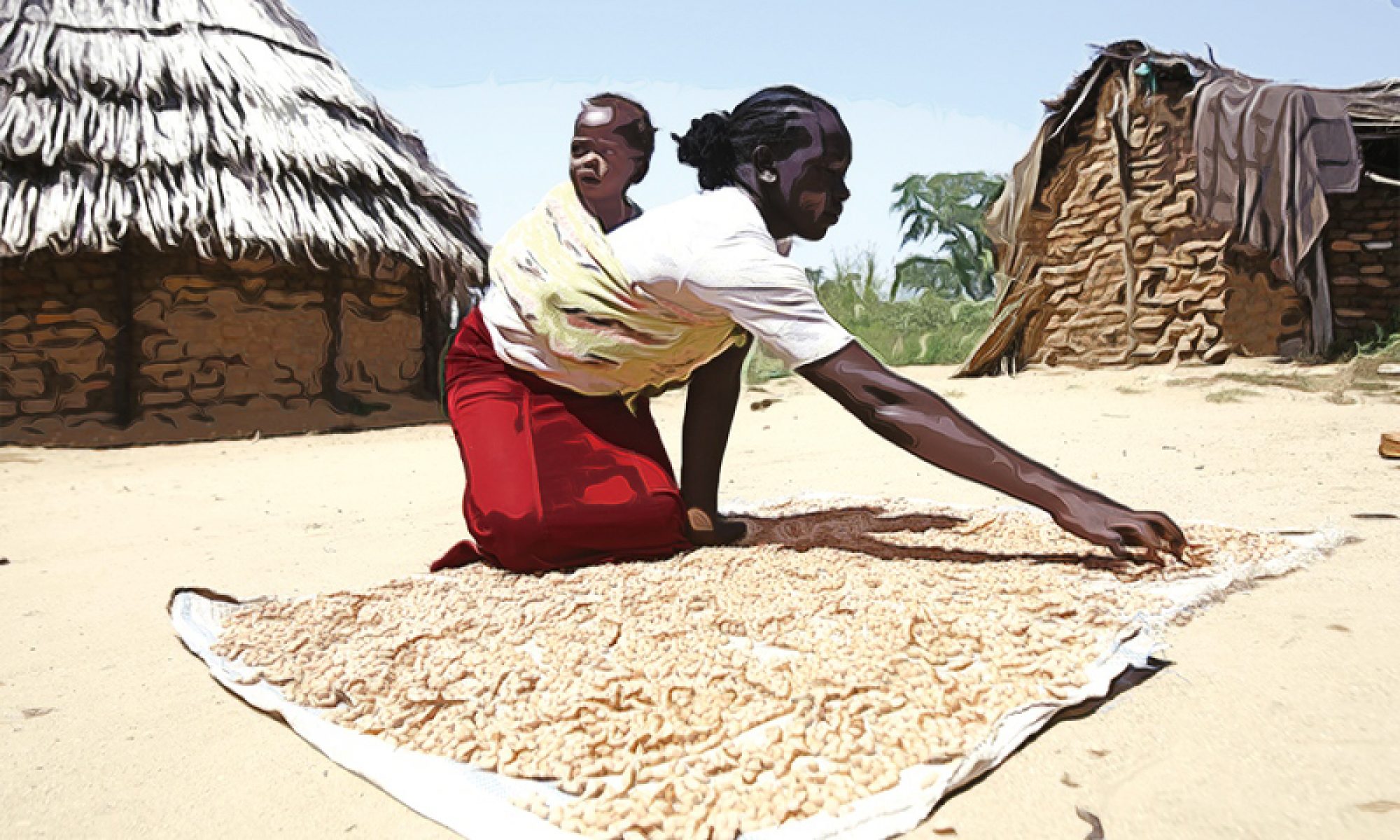

The mental health of women and children in Darfur is a critical concern, exacerbated by ongoing conflict, displacement, and limited access to essential services. This report provides an in-depth analysis of the current state of mental health for women and children in Darfur, highlighting key challenges, initiatives, and recommendations for improvement.
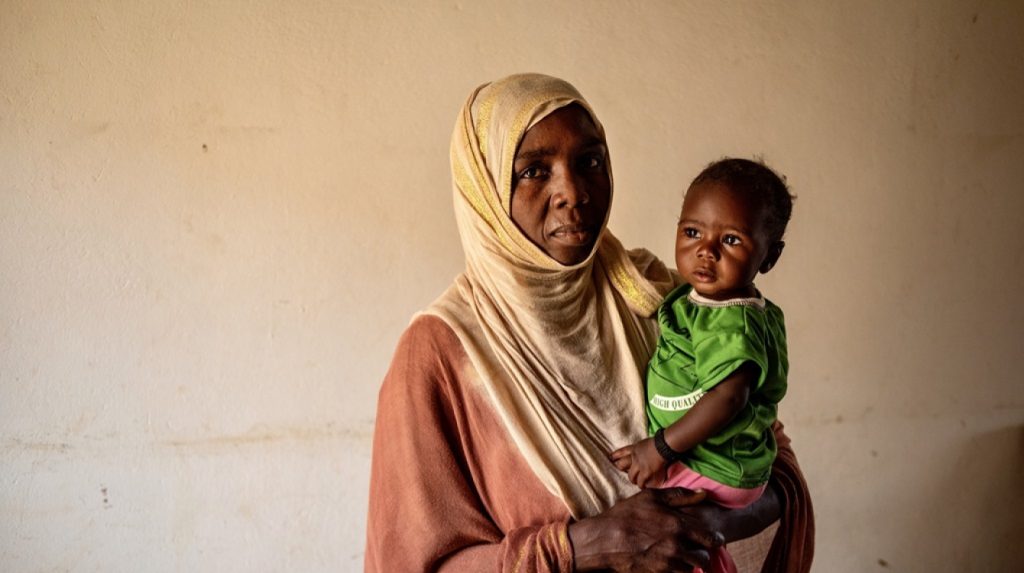
Current State of Mental Health
The mental health situation in Darfur is dire, with high rates of psychological distress among women and children. The conflict has led to widespread trauma, anxiety, depression, and post-traumatic stress disorder (PTSD). Many women and children have witnessed or experienced violence, loss of loved ones, and displacement, which have profound effects on their mental well-being.
Key Challenges
- Trauma and Violence: The ongoing conflict has exposed women and children to various forms of violence, including sexual violence, physical assault, and witnessing the killing of family members. These traumatic experiences have long-lasting effects on their mental health.
- Displacement: The conflict has resulted in large-scale displacement, with many women and children living in overcrowded and under-resourced camps. Displaced individuals often face additional stressors, such as loss of livelihood, separation from family, and lack of access to basic services.
- Limited Access to Mental Health Services: The destruction of healthcare infrastructure has made it difficult for women and children to access mental health services. There is a shortage of trained mental health professionals, and many healthcare facilities are non-functional.
- Stigma and Cultural Barriers: Mental health issues are often stigmatized in Darfur, leading to reluctance in seeking help. Cultural beliefs and practices may also hinder access to mental health services.
- Gender-Based Violence: Conflict-related gender-based violence, including sexual violence, is pervasive in Darfur. Survivors of such violence are at higher risk of developing mental health issues, and they often face additional barriers to accessing support services.
Initiatives and Programs
Several organizations are working to improve mental health for women and children in Darfur through various initiatives and programs:
- Médecins Sans Frontières (MSF): MSF provides mental health support to women and children in Darfur. They offer counseling services, trauma-informed care, and support for survivors of gender-based violence.
- United Nations Children’s Fund (UNICEF): UNICEF works to improve mental health by providing psychosocial support, creating safe spaces for children, and training community workers to offer mental health services.
- World Health Organization (WHO): WHO collaborates with local and international partners to strengthen mental health services in Darfur, focusing on capacity building and integrating mental health into primary healthcare.
Recommendations for Improvement
To address the mental health crisis in Darfur, the following recommendations are proposed:
- Strengthen Mental Health Services: Rebuilding and strengthening mental health infrastructure is essential to ensure that women and children have access to quality mental health services. This includes rehabilitating damaged facilities, training mental health professionals, and integrating mental health into primary healthcare.
- Provide Trauma-Informed Care: Implementing trauma-informed care approaches can help address the psychological impact of conflict and violence. This includes providing specialized training for healthcare providers and offering trauma-focused therapy.
- Increase Access to Psychosocial Support: Expanding access to psychosocial support services is crucial for improving mental health outcomes. This includes creating safe spaces for women and children, offering counseling services, and providing community-based support.
- Address Stigma and Cultural Barriers: Raising awareness about mental health issues and reducing stigma is essential for encouraging individuals to seek help. This includes community education programs and culturally sensitive approaches to mental health care.
- Support Survivors of Gender-Based Violence: Providing comprehensive support services for survivors of gender-based violence is critical for their mental health and well-being. This includes offering counseling, legal assistance, and safe spaces for survivors.
The mental health crisis in Darfur poses significant challenges for women and children, but with coordinated efforts and targeted interventions, it is possible to improve their mental well-being. Strengthening mental health services, providing trauma-informed care, increasing access to psychosocial support, addressing stigma and cultural barriers, and supporting survivors of gender-based violence are key steps towards achieving better mental health outcomes for women and children in Darfur.