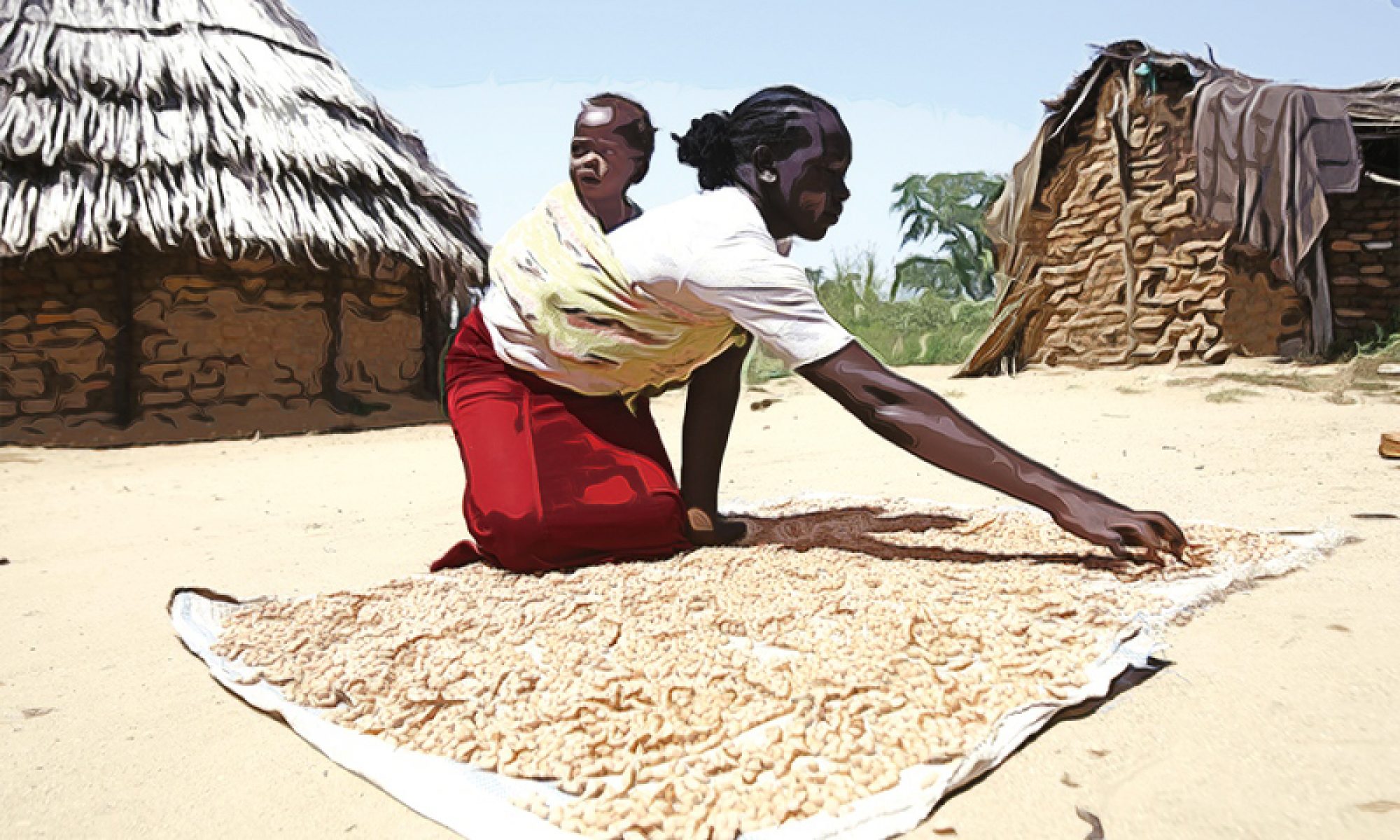
The health services for women and children in Darfur are critically important, given the ongoing conflict, displacement, and limited access to essential healthcare. This report provides an in-depth analysis of the current state of health services for women and children in Darfur, highlighting key challenges, initiatives, and recommendations for improvement.
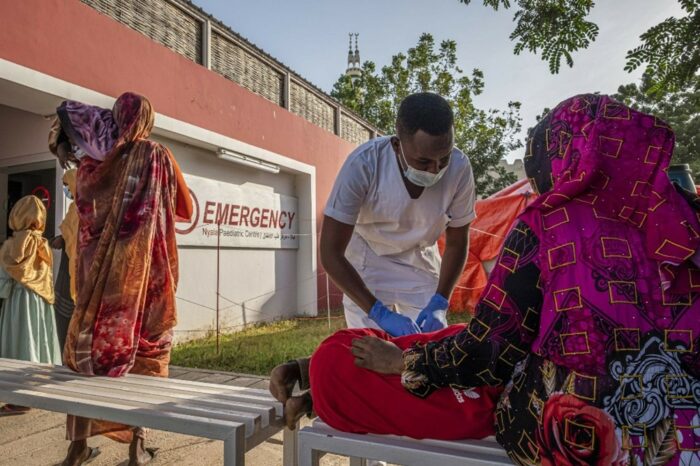
Current State of Health Services
The health services in Darfur are severely compromised due to the prolonged conflict and instability in the region. Many healthcare facilities have been destroyed or are non-functional, leaving women and children with limited access to essential medical care. The lack of healthcare infrastructure, trained healthcare providers, and medical supplies has exacerbated the health crisis in Darfur.
Key Challenges
- Destruction of Healthcare Infrastructure: The ongoing conflict has led to the destruction of many healthcare facilities, making it difficult for women and children to access medical care. The lack of functional healthcare centers has resulted in a significant gap in healthcare services.
- Shortage of Trained Healthcare Providers: There is a severe shortage of trained healthcare providers in Darfur. Many healthcare professionals have fled the region due to the conflict, leaving a limited number of medical staff to provide care.
- Limited Access to Medical Supplies: The conflict has disrupted the supply chain for medical supplies, leading to shortages of essential medicines and equipment. This has hindered the ability of healthcare facilities to provide adequate care.
- Displacement: The conflict has resulted in large-scale displacement, with many women and children living in overcrowded and under-resourced camps. Displaced populations often lack access to basic healthcare services, clean water, and sanitation.
- Gender-Based Violence: Conflict-related gender-based violence, including sexual violence, is pervasive in Darfur. Survivors of such violence often face additional barriers to accessing healthcare services and may require specialized medical and psychological support.
Initiatives and Programs
Several organizations are working to improve health services for women and children in Darfur through various initiatives and programs:
- Médecins Sans Frontières (MSF): MSF provides medical care and humanitarian assistance to women and children in Darfur. They run field hospitals and clinics, offering maternal and child health services, emergency medical care, and nutritional support.
- United Nations Children’s Fund (UNICEF): UNICEF works to improve health services by providing immunization, nutrition programs, and access to clean water and sanitation. They also support education and child protection initiatives.
- Relief International (RI): RI operates mobile medical clinics that provide health services to displaced populations in Darfur. They offer reproductive health support, nutritional supplements, and health training for community health workers and birth attendants.
Recommendations for Improvement
To address the health crisis in Darfur, the following recommendations are proposed:
- Rebuild Healthcare Infrastructure: Rebuilding and strengthening healthcare infrastructure is essential to ensure that women and children have access to quality medical care. This includes rehabilitating damaged facilities, establishing new clinics, and ensuring the availability of essential medical supplies.
- Increase Training for Healthcare Providers: Training and deploying healthcare providers can significantly improve the quality of care. Efforts should be made to ensure that healthcare professionals are adequately trained and supported.
- Enhance Access to Medical Supplies: Improving the supply chain for medical supplies is crucial for ensuring that healthcare facilities have the necessary medicines and equipment to provide adequate care.
- Support Displaced Populations: Ensuring that displaced populations have access to healthcare services is critical. This includes providing healthcare services in displacement camps and supporting community-based health initiatives.
- Address Gender-Based Violence: Providing comprehensive support services for survivors of gender-based violence is essential for their health and well-being. This includes offering medical care, psychological support, and legal assistance.
The health services for women and children in Darfur face significant challenges due to ongoing conflict, displacement, and limited access to healthcare. However, with coordinated efforts and targeted interventions, it is possible to improve the health and well-being of women and children in the region. Rebuilding healthcare infrastructure, increasing training for healthcare providers, enhancing access to medical supplies, supporting displaced populations, and addressing gender-based violence are key steps towards achieving better health outcomes for women and children in Darfur.