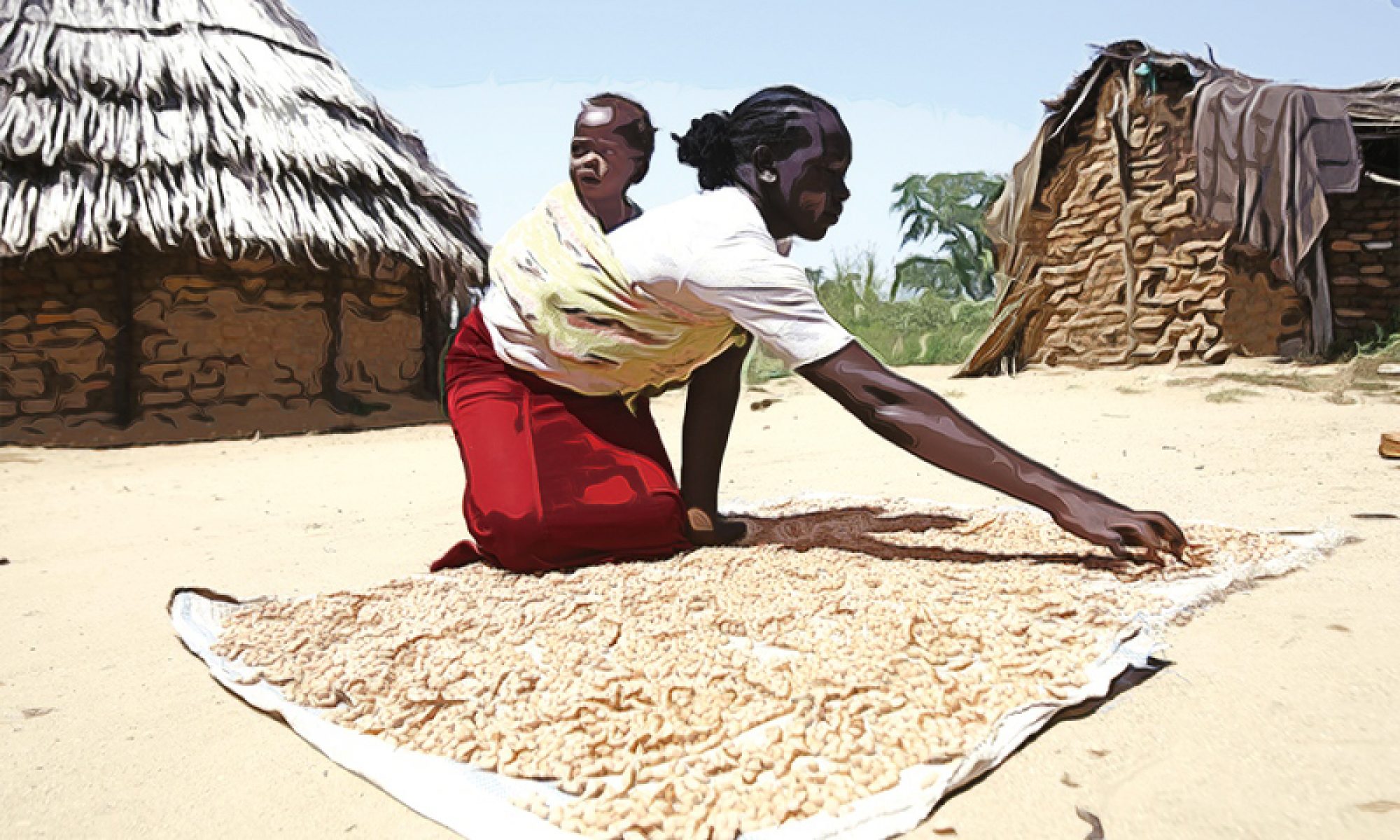

Gender-based violence (GBV) in Darfur is a pervasive and devastating issue, exacerbated by ongoing conflict, displacement, and instability. Women and girls are particularly vulnerable to various forms of violence, including sexual violence, physical assault, harassment, and exploitation. This report provides an in-depth analysis of the current state of GBV in Darfur, highlighting key challenges, initiatives, and recommendations for improvement.
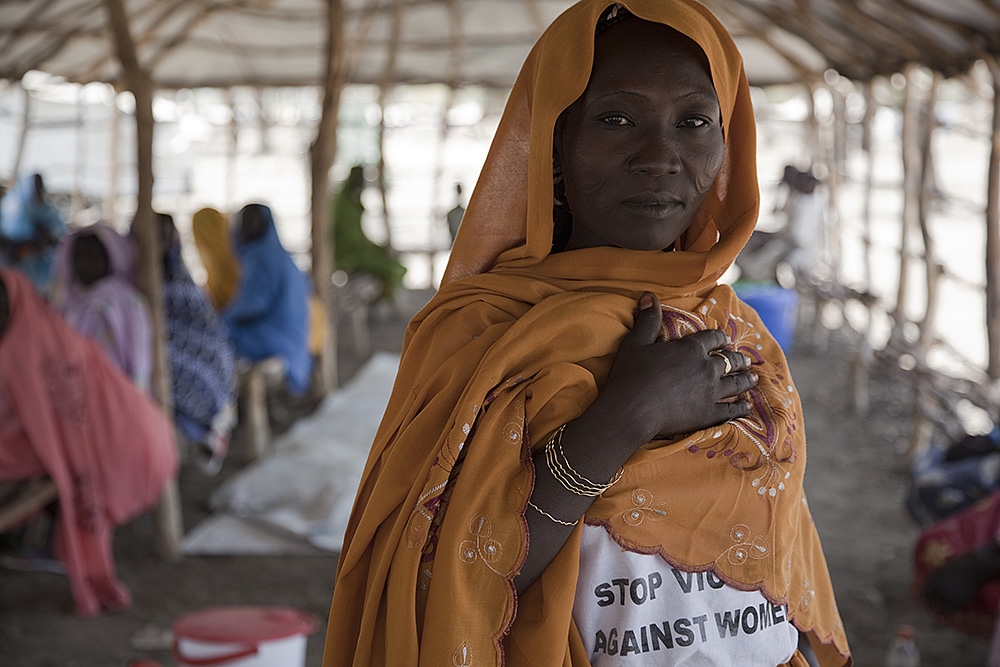
Current State of Gender-Based Violence
The conflict in Darfur has led to widespread and systematic use of sexual violence as a weapon of war. Women and girls are often targeted by armed groups and militias, facing brutal attacks that have long-lasting physical and psychological effects. The prevalence of GBV has increased significantly, with many survivors facing barriers to accessing support services and justice.
Key Challenges
- Systematic Use of Sexual Violence: Sexual violence is used as a weapon of war to humiliate, dominate, and terrorize the population. Women and girls are subjected to rape, sexual slavery, and other forms of sexual violence by armed groups and militias.
- Impunity for Perpetrators: Perpetrators of GBV often operate with impunity, facing little to no accountability for their actions. This lack of justice perpetuates the cycle of violence and leaves survivors without recourse.
- Limited Access to Support Services: Survivors of GBV face significant barriers to accessing medical care, psychological support, and legal assistance. The destruction of healthcare infrastructure and the shortage of trained professionals exacerbate these challenges.
- Stigma and Cultural Barriers: GBV is often stigmatized, leading to reluctance among survivors to seek help. Cultural beliefs and practices may also hinder access to support services and justice.
- Displacement and Vulnerability: The conflict has resulted in large-scale displacement, with many women and girls living in overcrowded and under-resourced camps. Displaced individuals are at higher risk of GBV and face additional challenges in accessing support.
Initiatives and Programs
Several organizations are working to address GBV in Darfur through various initiatives and programs:
- Médecins Sans Frontières (MSF): MSF provides medical care and psychological support to survivors of GBV. They offer trauma-informed care and support services in field hospitals and clinics.
- United Nations Population Fund (UNFPA): UNFPA works to improve reproductive health services, provide support to survivors of GBV, and raise awareness about the issue. They also train healthcare providers and community workers to offer GBV-related services.
- International Rescue Committee (IRC): IRC operates safe spaces for women and girls, providing counseling, legal assistance, and support services. They also conduct awareness campaigns and advocacy efforts to address GBV.
Recommendations for Improvement
To address the GBV crisis in Darfur, the following recommendations are proposed:
- Strengthen Legal Frameworks: Implementing and enforcing strong legal frameworks to hold perpetrators accountable and provide justice for survivors is essential. This includes training law enforcement and judicial personnel on GBV issues.
- Enhance Access to Support Services: Expanding access to medical care, psychological support, and legal assistance for survivors of GBV is crucial. This includes rebuilding healthcare infrastructure, training professionals, and establishing safe spaces.
- Raise Awareness and Reduce Stigma: Community education programs and awareness campaigns can help reduce stigma and encourage survivors to seek help. Culturally sensitive approaches should be used to address GBV within communities.
- Support Displaced Populations: Ensuring that displaced women and girls have access to GBV-related services is critical. This includes providing support services in displacement camps and integrating GBV prevention and response into humanitarian efforts.
- Promote Gender Equality: Addressing the root causes of GBV requires promoting gender equality and empowering women and girls. This includes supporting education, economic opportunities, and leadership development for women.
Gender-based violence in Darfur poses significant challenges for women and girls, but with coordinated efforts and targeted interventions, it is possible to improve their safety and well-being. Strengthening legal frameworks, enhancing access to support services, raising awareness, supporting displaced populations, and promoting gender equality are key steps towards achieving better outcomes for survivors of GBV in Darfur.