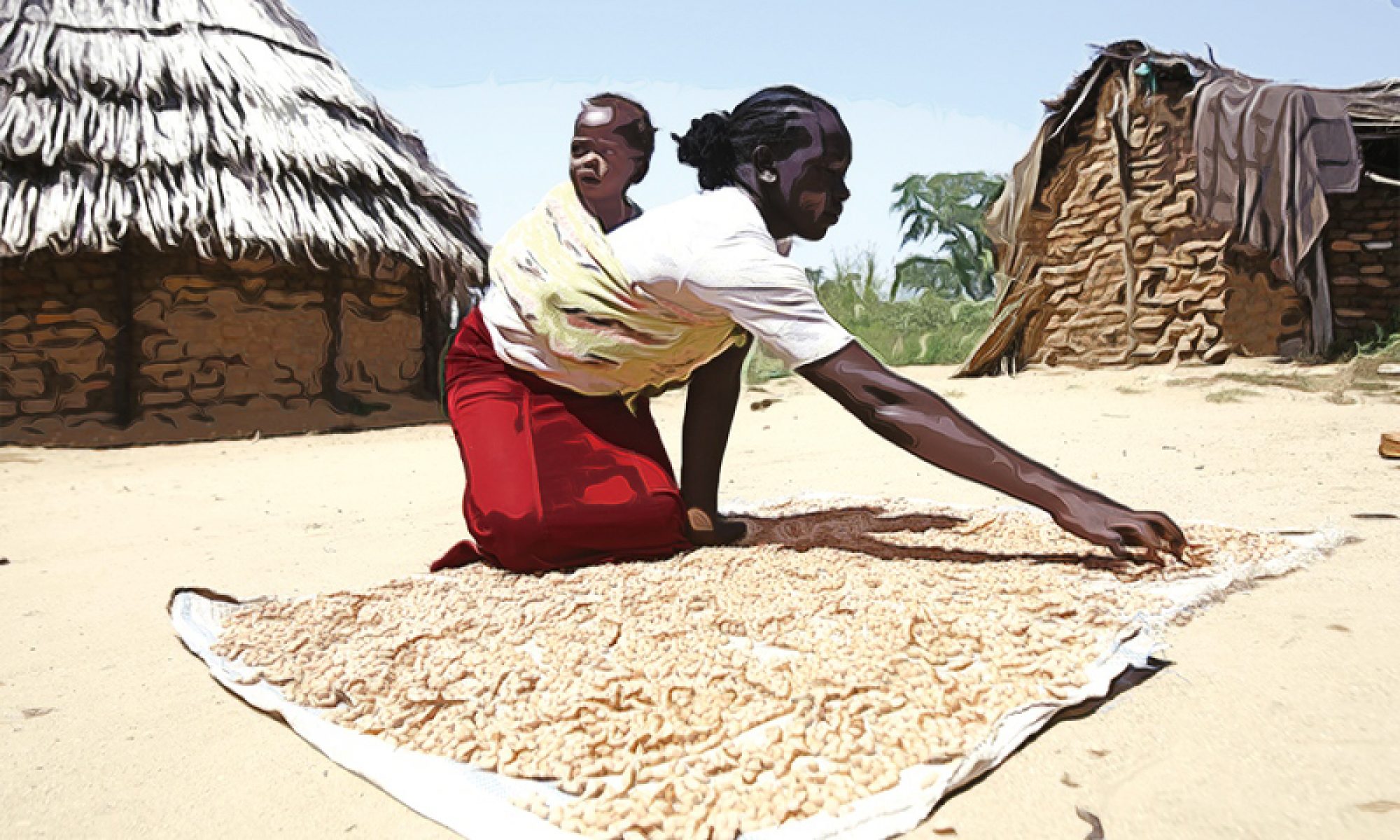

Child protection in Darfur is a critical issue, exacerbated by ongoing conflict, displacement, and widespread violence. Children in Darfur face numerous threats to their safety and well-being, including recruitment into armed groups, forced labor, sexual violence, and lack of access to education and healthcare. This report provides an in-depth analysis of the current state of child protection in Darfur, highlighting key challenges, initiatives, and recommendations for improvement.
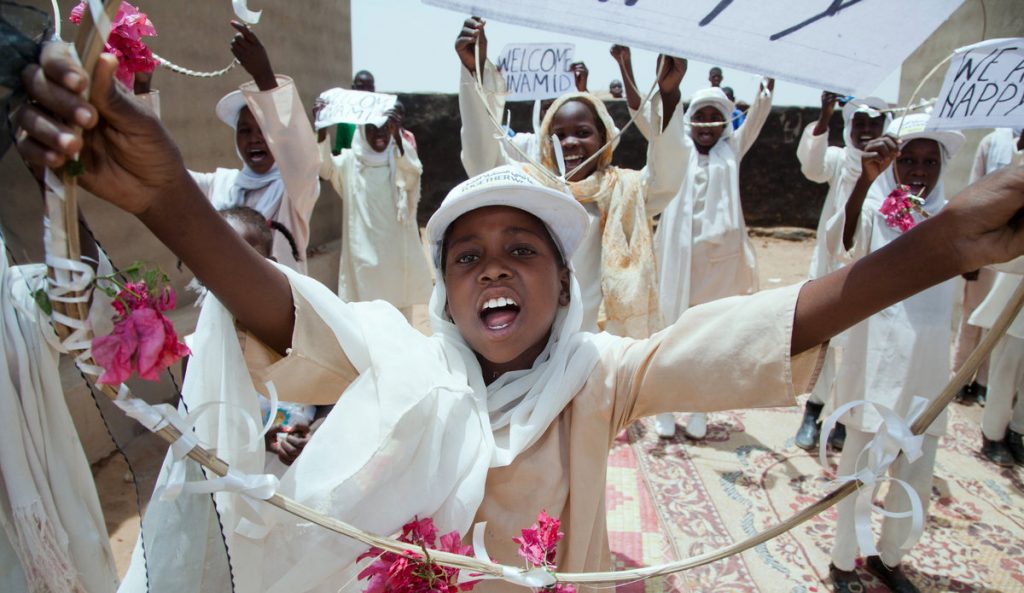
Current State of Child Protection
The conflict in Darfur has created a dire situation for children, with many experiencing unimaginable suffering and violence. The ongoing conflict has led to the displacement of millions of children, leaving them vulnerable to various forms of exploitation and abuse. The lack of access to basic services, such as education and healthcare, further exacerbates their vulnerability.
Key Challenges
- Recruitment into Armed Groups: Children in Darfur are at high risk of being recruited into armed groups. Both the Sudanese Armed Forces (SAF) and the Rapid Support Forces (RSF) have been involved in the recruitment of child soldiers. These children are often subjected to abuse and forced to commit violent acts, leading to long-term psychological consequences.
- Sexual Violence: Sexual violence against children is a pervasive issue in Darfur. Many children, particularly girls, are subjected to rape and other forms of sexual violence by armed groups and militias. The lack of access to support services and the stigma associated with sexual violence further hinder their ability to seek help.
- Displacement: The conflict has resulted in large-scale displacement, with many children living in overcrowded and under-resourced camps. Displaced children face heightened risks of abuse, violence, exploitation, and separation from their caregivers.
- Lack of Access to Education: The conflict has disrupted access to education for many children in Darfur. Nearly all of the region’s 4,000 formal schools have been closed, depriving children of their right to education. The lack of education opportunities further increases their vulnerability to exploitation and abuse.
- Malnutrition and Health Issues: Over 1.2 million children under five in Darfur are suffering from acute malnutrition, with 218,000 of them facing severe acute malnutrition. The lack of access to healthcare services exacerbates the health crisis, putting children’s lives at risk.
Initiatives and Programs
Several organizations are working to improve child protection in Darfur through various initiatives and programs:
- United Nations Children’s Fund (UNICEF): UNICEF provides psychosocial support, education, and healthcare services to children in Darfur. They also work to prevent the recruitment of child soldiers and support the reintegration of former child soldiers.
- International Committee of the Red Cross (ICRC): ICRC works to protect children affected by conflict, providing medical care, family reunification services, and support for survivors of sexual violence.
- Non-Governmental Organizations (NGOs): Various NGOs operate child-friendly spaces, provide education and vocational training, and offer legal assistance to children in Darfur.
Recommendations for Improvement
To address the child protection crisis in Darfur, the following recommendations are proposed:
- Strengthen Legal Frameworks: Implementing and enforcing strong legal frameworks to protect children from recruitment into armed groups, sexual violence, and other forms of exploitation is essential. This includes training law enforcement and judicial personnel on child protection issues.
- Enhance Access to Education: Reopening schools and providing access to quality education for all children in Darfur is crucial. This includes building and rehabilitating schools, training teachers, and providing educational materials.
- Improve Access to Healthcare: Ensuring that children have access to quality healthcare services is vital. This includes providing medical care for malnutrition and other health issues, as well as mental health support for children affected by trauma.
- Provide Psychosocial Support: Expanding access to psychosocial support services is crucial for improving the mental well-being of children. This includes creating safe spaces, offering counseling services, and providing community-based support.
- Support Displaced Children: Ensuring that displaced children have access to protection services is critical. This includes providing support services in displacement camps and integrating child protection into humanitarian efforts.
Child protection in Darfur faces significant challenges due to ongoing conflict, displacement, and widespread violence. However, with coordinated efforts and targeted interventions, it is possible to improve the safety and well-being of children in the region. Strengthening legal frameworks, enhancing access to education and healthcare, providing psychosocial