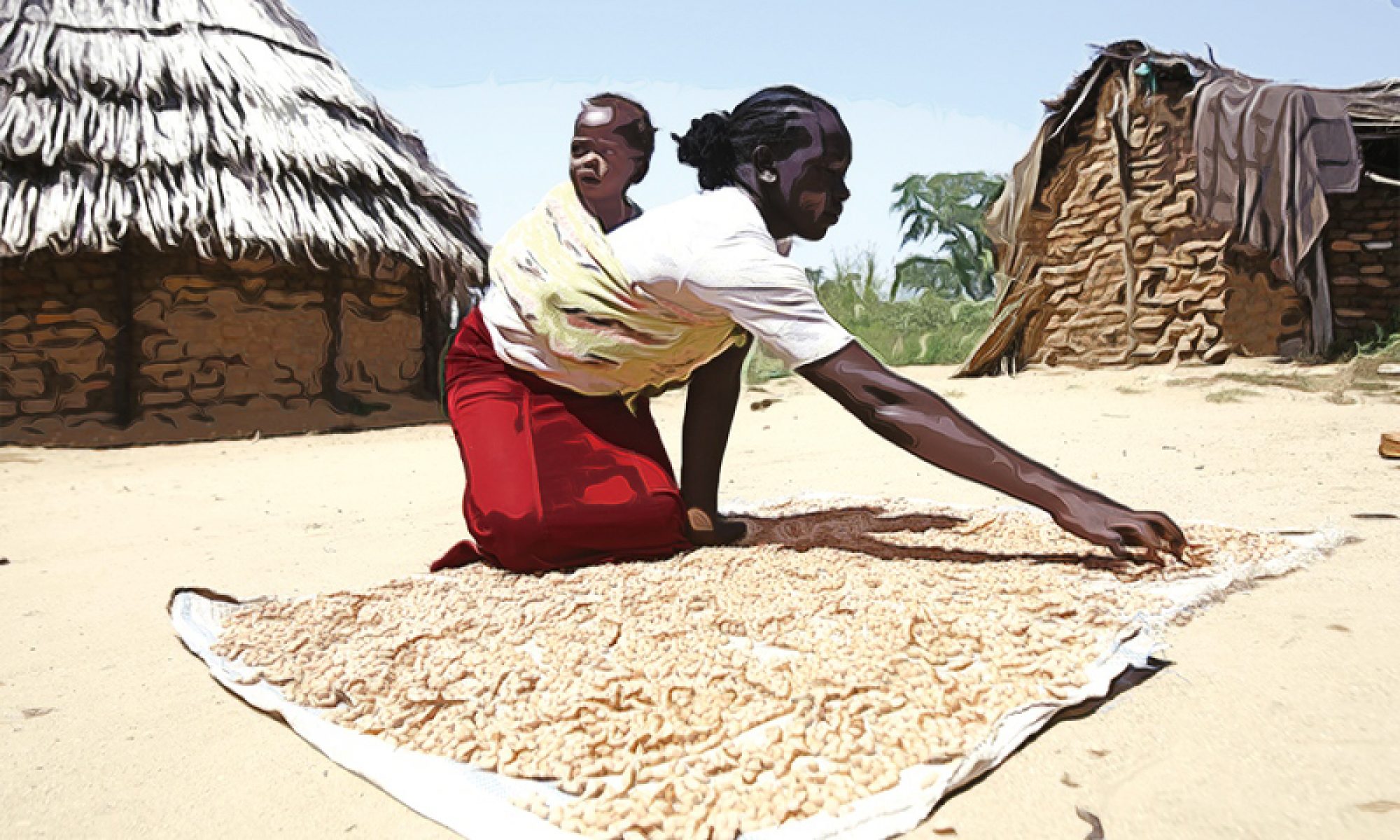

In a region defined by protracted conflict, displacement, and socio-economic hardships, the emergence of women leaders in Darfur is a powerful testament to the strength and resilience of those who have long been marginalized. Leadership and advocacy for women go beyond mere representation—they are essential tools for challenging entrenched patriarchal norms, rebuilding communities, and steering peace and development initiatives. This report delves into how women in Darfur are redefining their roles, overcoming obstacles, and advocating for equitable transformation in their communities.
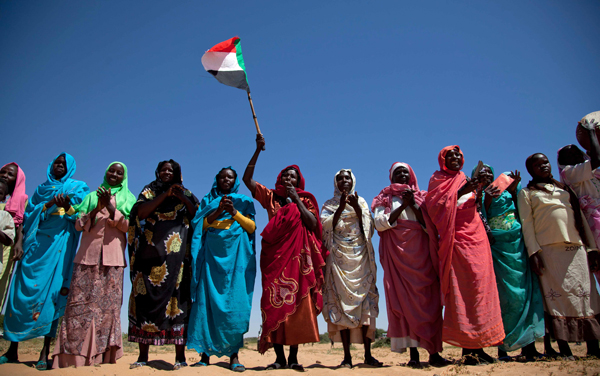
Historical and Social Context
The Legacy of Conflict and Displacement
Darfur’s recent history has been marred by conflict. Prolonged unrest has not only devastated infrastructure but also disrupted traditional systems of governance and community life. For decades, the social fabric of Darfur has been under constant strain, making it difficult for women to access opportunities for leadership and civic involvement.
Cultural and Structural Barriers
Deep-rooted cultural norms have historically limited women’s participation in public life. Traditional gender roles, compounded by insecurity and displacement, have often kept women on the periphery of formal decision-making arenas. Nevertheless, these very obstacles have galvanized many women to pursue leadership roles, drive change from within, and transform adversity into advocacy.
Understanding Leadership and Advocacy in Darfur
Defining Leadership and Advocacy
- Leadership in this context means more than occupying formal positions—it embodies the capacity to influence community norms, mobilize resources, and drive change. Women leaders in Darfur are often found emerging from grassroots efforts, where they lead community dialogues, participate in local councils, and assume roles in peace and reconciliation processes.
- Advocacy encompasses the continuous effort to champion women’s rights, challenge discriminatory practices, and push for policy reforms. Advocacy in Darfur is as much about the micro-level work—such as raising awareness within local communities—as it is about influencing national and international agendas.
The Dual Functions
Women in Darfur serve dual roles:
- Community Leaders: They are at the forefront of peacebuilding, conflict resolution, and philanthropy, working tirelessly to support families and rebuild communities.
- Advocates for Change: They challenge oppressive traditions and work with local and international stakeholders to shape policies that promote gender equality and human rights.
Key Initiatives and Models
Grassroots Organizations and Local Networks
Across Darfur, women-led groups have emerged as critical agents of social change. Many of these groups focus on:
- Peacebuilding and Mediation: Local committees often include women leaders who mediate conflicts between communities, offering alternative dispute resolution and fostering reconciliation.
- Community Dialogue: Regular forums and meetings provide spaces where women share their experiences, voice grievances, and collectively strategize for a better future.
National and International Partnerships
Several organizations and international bodies have recognized the need for fostering women’s leadership:
- UN Women Initiatives: Programs designed to integrate gender perspectives into peace and security frameworks, ensuring that women have platforms at local, national, and international levels.
- Non-Governmental Organizations (NGOs): Local NGOs often run leadership training workshops, advocacy campaigns, and mentorship schemes that not only build skills but also create networks for sustainable advocacy.
- Advocacy Networks: Informal coalitions—sometimes created in response to conflict—allow women to unite, share best practices, and engage with policymakers on issues such as land rights, education, and political participation.
Illustrative Examples
Below is a table summarizing some initiatives:
| Initiative/Organization | Focus Area | Impact & Opportunities |
| Grassroots Peace Committees | Community Mediation & Reconciliation | Empower local women to resolve conflicts, promote peace, and build trust within communities. |
| Darfur Women’s Leadership Circles | Training, Mentorship, & Advocacy | Develop leadership skills and create networks that champion women’s rights and civic participation. |
| International Advocacy Partnerships | Policy Reform & Gender Inclusion | Work with global bodies to influence national policy and ensure that women’s voices are considered. |
| Cultural Preservation & Advocacy Groups | Promoting Local Traditions in a Modern Context | Use cultural narratives to empower women and counter negative stereotypes, reinforcing identity and pride. |
Opportunities for Enhanced Leadership and Advocacy
Despite numerous barriers, several opportunities can spearhead further progress:
- Leadership Training and Capacity Building:
- Workshops and Seminars: Training in public speaking, conflict resolution, negotiation, and digital advocacy is key to empowering women leaders.
- Mentorship Programs: Linking established leaders with emerging voices creates cascades of influence and builds a robust support network.
- Engagement with Policy Makers:
- Dialogue Platforms: Creating safe spaces where women can interact directly with policy makers ensures that their unique perspectives are integrated into public policy.
- Advocacy Campaigns: Focused initiatives that call for legal reforms and increased budgetary allocations for women’s programs.
- Technological Innovations:
- Digital Platforms: Social media and online forums can be harnessed to build communities, share success stories, and amplify advocacy efforts.
- Mobile Connectivity: Mobile applications and communications can bridge geographical gaps, connecting even the most remote communities to leadership programs.
- Cultural Renewal and Education:
- Community Dialogues: Engaging elders and influential local figures in a conversation about gender norms can pave the way for more inclusive leadership.
- Incorporation of Traditional Knowledge: By integrating indigenous practices with modern leadership ideologies, programs can resonate more deeply with the local population.
Challenges and Barriers
While the potential is significant, several challenges persist:
- Security and Stability: Ongoing conflict continues to threaten safe participation in leadership initiatives, limiting movement and access to training.
- Resource Constraints: Limited funding and infrastructural deficits mean that many programs that show promise struggle to scale their impact.
- Cultural Resistance: Deep-seated patriarchal norms and societal expectations remain potent forces that resist rapid transformation.
- Institutional Gaps: A lack of formal channels that include women in governance structures can stall advocacy shifts, making sustained change an uphill battle.
Strategic Recommendations
To further bolster leadership and advocacy for women in Darfur, the following strategies could be key:
- Strengthen Multi-Stakeholder Collaborations:
- Forge robust partnerships among local NGOs, international organizations, and government bodies to secure resources, technical support, and policy backing.
- Invest in Sustainable Capacity Building:
- Develop long-term training programs that are culturally relevant and adaptable to the realities of conflict-affected environments.
- Initiate “train-the-trainer” models that ensure sustainability and widespread dissemination of leadership skills.
- Expand Digital and Remote Access:
- Leverage digital tools that enable remote learning and communication, thereby overcoming physical limitations imposed by conflict and displacement.
- Advocate for Policy Reforms:
- Engage in continuous dialogue with policymakers to push for legal frameworks that secure women’s rights and formal participation in governance.
- Promote gender-sensitive policies in reconstruction and development plans to ensure that women’s contributions are recognized and rewarded.
Leadership and advocacy for women in Darfur are not just about rebuilding shattered lives—they are about fundamentally transforming societal structures to create a more equitable, peaceful future. Despite significant obstacles, women in Darfur are pioneering pathways toward inclusive governance, social justice, and community resilience. Their commitment to leadership, fueled by grassroots initiatives and supported by international partnerships, is driving a gradual but undeniable shift in the fabric of Darfurian society.
By investing in leadership training, embracing digital innovations, and advocating for policy reforms, stakeholders can empower women not only to lead but also to inspire transformation across generations. This evolution in leadership is a cornerstone for sustainable peace and development—a message that resonates far beyond the borders of Darfur.