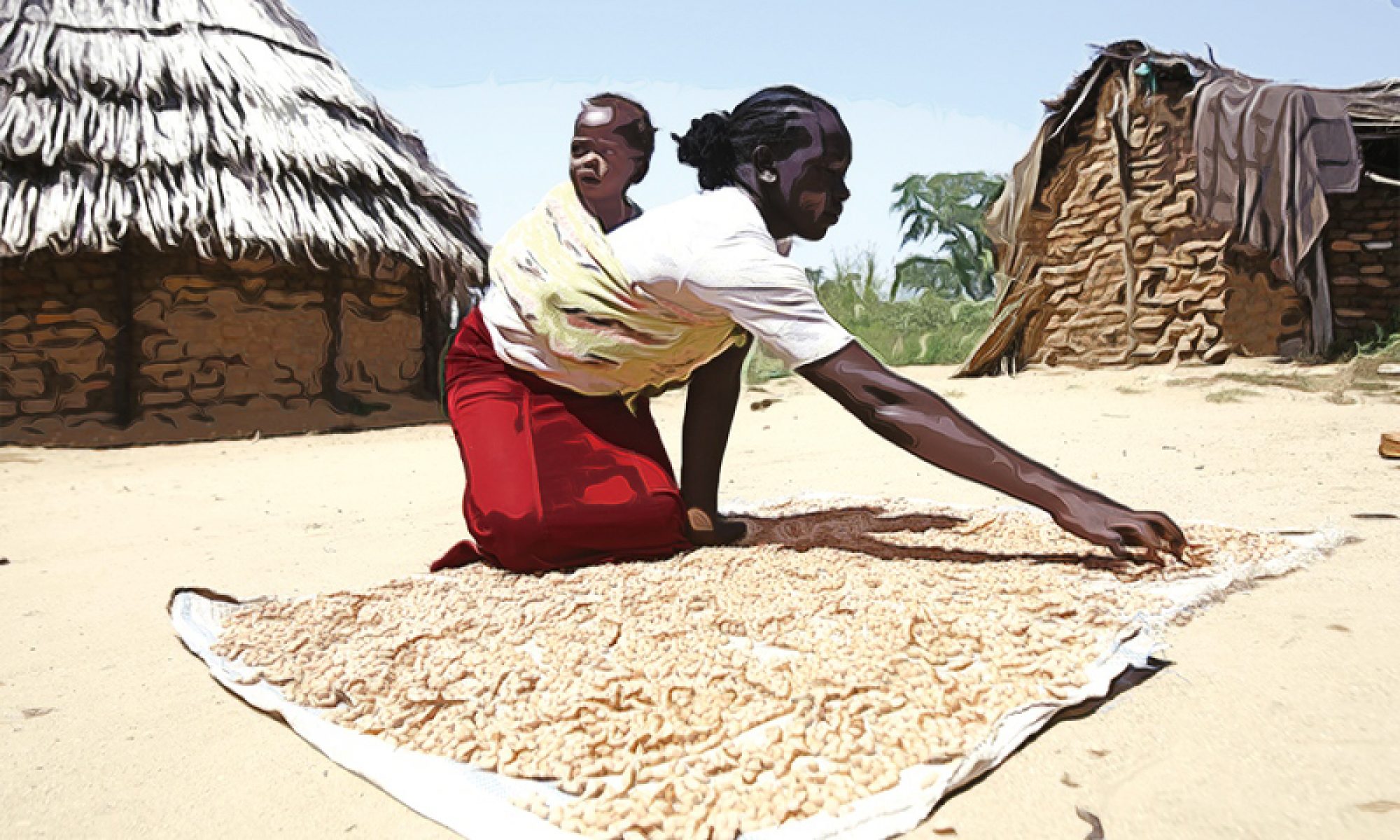

Darfur, a region in western Sudan, has experienced decades of conflict marked by inter-communal tensions, government-backed militias, and rebel insurgencies. These conflicts have led to massive displacement, widespread human rights abuses, and a pervasive climate of insecurity. Women and children, as some of the most vulnerable groups, have repeatedly borne the brunt of violence, including sexual violence, forced displacement, and child recruitment by armed groups. This history sets the stage for a protection sector that is both urgently needed and extremely challenging to implement.
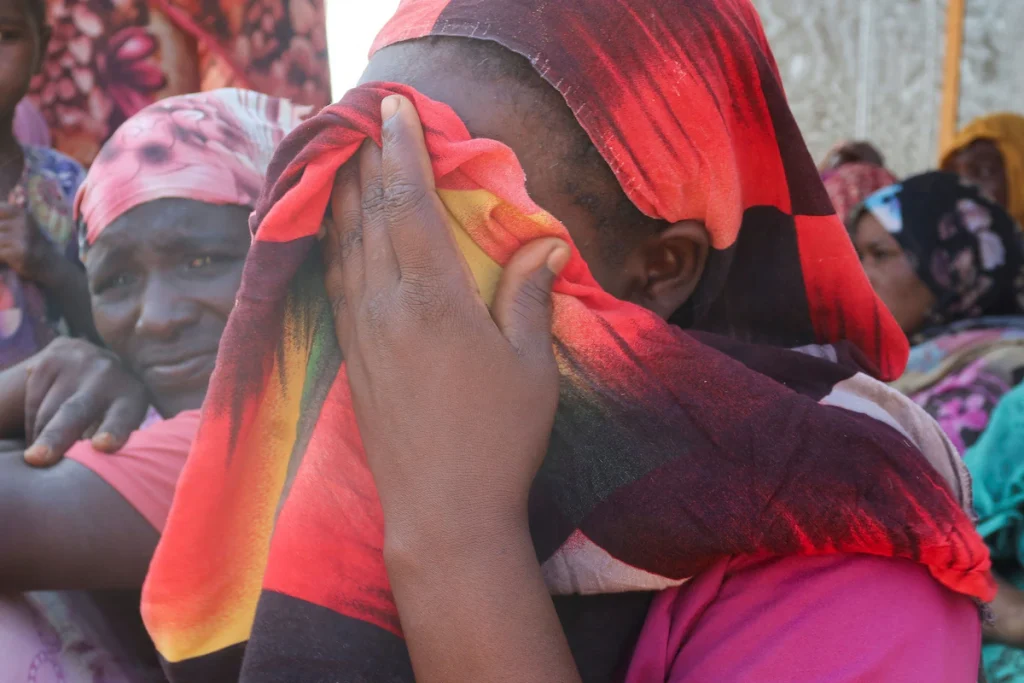
The Protection Sector Framework
The protection sector in humanitarian emergencies is a multi-dimensional framework that prioritizes the safety, dignity, and rights of affected populations. In Darfur, its key components include:
- Prevention of Gender-Based Violence (GBV): Initiatives aim to reduce incidences of sexual violence, forced marriages, and harassment. Programs often include community engagement, awareness campaigns, and training for responders on how to handle cases of GBV sensitively and confidentially.
- Child Protection Services: Given the risks of child labor, abduction, and recruitment into armed groups, interventions focus on establishing safe spaces, providing psychosocial support, offering education opportunities, and implementing rehabilitation programs for separated or orphaned children.
- Legal Aid and Advocacy: Legal empowerment is critical. Efforts include advocacy for adherence to international humanitarian law, support for legal proceedings against perpetrators of violence, and strengthening the capacity of local legal structures to handle domestic and international accountability mechanisms.
- Safe Spaces and Shelter: The creation of physically secure environments—such as women’s centers, child-friendly spaces, and community shelters—is essential. These spaces not only protect but also serve as hubs for the delivery of health, psychosocial, and livelihood services.
- Psychosocial Support: Both women and children frequently face trauma from prolonged exposure to violence. Programs provide mental health counseling, community healing initiatives, and activities that rebuild social cohesion.
- Economic and Livelihood Support: Recognizing that economic vulnerability amplifies risk, initiatives may also include vocational training, micro-finance opportunities, and cash assistance programs to help rebuild self-reliance.
Key Stakeholders Involved
The protection landscape in Darfur is shaped by a complex network of actors working at local, national, and international levels:
- United Nations Agencies: Organizations like UNHCR, UNICEF, and UN Women play significant roles in setting standards, mobilizing funding, and coordinating international support.
- International and Local Non-Governmental Organizations (NGOs): NGOs—both international (such as Save the Children, International Rescue Committee) and local community-based organizations—are at the forefront of delivering services and mobilizing community resilience. Their work ranges from emergency response to long-term development.
- Government Institutions: Although the capacity of state institutions has been strained, local government bodies are increasingly involved in protection efforts, especially when it comes to legislative reforms and integrating protection principles in state-level policy.
- Community Leaders and Civil Society: Traditional leaders, women’s associations, and local advocacy groups are critical in shaping contextualized responses and ensuring community buy-in.
- Donor Agencies and International Partners: Funding and technical assistance from international donors are indispensable, though efforts continue to find sustained financial support given the chronic needs in the region.
Challenges in Delivering Protection
While the intent and design of the protection sector are robust, the execution in Darfur is hampered by several obstacles:
- Insecurity and Access: Ongoing insecurity and outbreaks of localized violence can disrupt aid delivery and hinder access to remote or newly displaced communities.
- Resource Constraints: Limited funding and scarce human resources can restrict both the scope and sustainability of protection initiatives.
- Cultural and Social Norms: Deep-rooted gender norms sometimes hinder the acceptance or effective delivery of gender-sensitive services, necessitating careful community engagement and sensitivity training for service providers.
- Coordination and Fragmentation: With a plethora of stakeholders operating concurrently, ensuring coordinated action remains a perpetual challenge, sometimes leading to duplication of efforts or gaps in service provision.
- Legal and Policy Frameworks: Weak implementation of laws protecting women and children, combined with impunity for perpetrators, undermines the credibility of protection measures.
Innovations and Future Directions
Despite these challenges, several promising strategies and innovations are emerging:
- Community-Based Protection Mechanisms: Empowering communities to develop local solutions and monitoring mechanisms is proving effective. Initiatives that train community protection committees or women leaders help tailor responses to local realities.
- Integration of Technology: The adoption of mobile reporting systems and data collection tools enhances real-time monitoring of protection needs and facilitates rapid responses in emergencies.
- Strengthening Legal Frameworks: Advocacy efforts are increasingly focused on reforming legal structures to ensure better enforcement of protection laws, with support from international legal experts and human rights bodies.
- Enhanced Inter-Agency Coordination: The continued development of protection clusters and joint planning mechanisms is helping streamline efforts, ensuring that gaps in services (such as mental health or legal aid) are systematically addressed.
- Capacity Building: Investing in local capacity—through training, mentorship, and institutional development—is seen as a long-term solution to create sustainable protection systems that operate even beyond the immediate crisis.
The Way Forward
The protection sector for women and children in Darfur is a dynamic tapestry of humanitarian commitment, local resilience, and international collaboration. Although challenges such as insecurity, limited resources, and systemic legal weaknesses persist, innovative community-led approaches and stronger inter-agency linkages offer a hopeful pathway.
The multifaceted nature of protection in Darfur requires continuous adaptation, robust monitoring, and an unwavering commitment to human rights. As the security and development landscape evolves, so too must the protective strategies—to not only address yesterday’s trauma but also to pave the way for a future where women and children can live without fear of violence or discrimination.