Access to justice for women and children in Darfur is a critical issue, exacerbated by ongoing conflict, displacement, and widespread violence. Women and children face numerous barriers to accessing justice, including legal, social, and cultural challenges. This report provides an in-depth analysis of the current state of access to justice for women and children in Darfur, highlighting key challenges, initiatives, and recommendations for improvement.
Current State
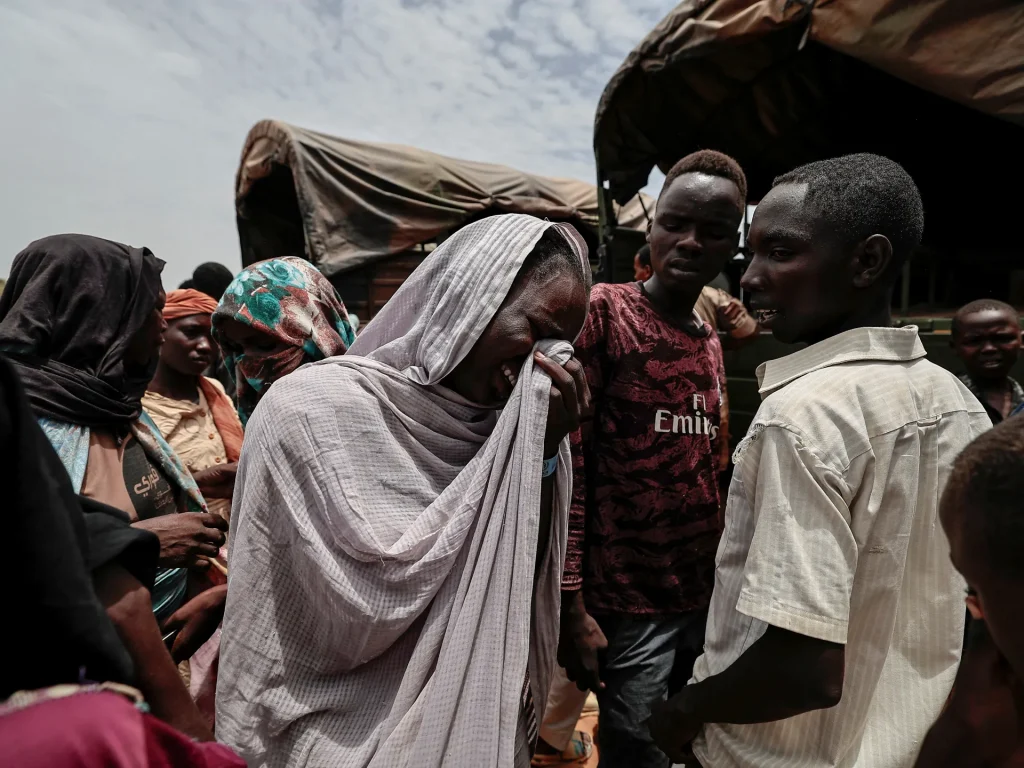
The justice system in Darfur is severely compromised due to the prolonged conflict and instability in the region. Many women and children are unable to access legal services and face significant barriers to seeking justice for crimes committed against them. The lack of effective legal frameworks, weak law enforcement, and cultural norms that discriminate against women and children further exacerbate the situation.
Key Challenges
- Weak Legal Frameworks: The legal frameworks in Darfur are often inadequate to protect the rights of women and children. Many laws are outdated and do not address the specific needs and vulnerabilities of these populations.
- Impunity for Perpetrators: Perpetrators of violence and abuse against women and children often operate with impunity, facing little to no accountability for their actions. This lack of justice perpetuates the cycle of violence and leaves survivors without recourse.
- Limited Access to Legal Services: Many women and children in Darfur lack access to legal services, including legal representation and support. The destruction of legal infrastructure and the shortage of trained legal professionals exacerbate these challenges.
- Cultural and Social Barriers: Cultural norms and social practices often discriminate against women and children, making it difficult for them to seek justice. Stigma and fear of retaliation further hinder their ability to access legal services.
- Displacement and Vulnerability: The conflict has resulted in large-scale displacement, with many women and children living in overcrowded and under-resourced camps. Displaced individuals face additional barriers to accessing justice and legal services.
Initiatives and Programs
Several organizations are working to improve access to justice for women and children in Darfur through various initiatives and programs:
- Joint Programme for the Rule of Law and Human Rights in Darfur (JPROL): This program, implemented by UNDP and UNAMID, aims to strengthen the rule of law and human rights in Darfur. It includes capacity-building activities, infrastructure development, and support for legal aid services.
- Promote Reconciliation and Coexistence for Sustainable Peace in Darfur (PRCSP): This joint program by UNDP and UN Women focuses on improving access to justice, reconciliation, and conflict management. It supports the establishment of Peace, Justice, and Reconciliation Centres (PJRC) and community-level dispute resolution mechanisms.
- Darfur Women Action Group (DWAG): DWAG works to address the human rights of marginalized communities in Sudan, including women and children in Darfur. They advocate for justice and criminal accountability, provide legal assistance, and support community-based initiatives.
Recommendations for Improvement
To address the access to justice crisis in Darfur, the following recommendations are proposed:
- Strengthen Legal Frameworks: Implementing and enforcing strong legal frameworks to protect the rights of women and children is essential. This includes updating laws to address the specific needs of these populations and training law enforcement and judicial personnel on gender-sensitive approaches.
- Enhance Access to Legal Services: Expanding access to legal services, including legal representation and support, is crucial. This includes rebuilding legal infrastructure, training legal professionals, and establishing legal aid clinics in displacement camps and communities.
- Raise Awareness and Reduce Stigma: Community education programs and awareness campaigns can help reduce stigma and encourage women and children to seek justice. Culturally sensitive approaches should be used to address legal issues within communities.
- Support Displaced Populations: Ensuring that displaced women and children have access to legal services is critical. This includes providing legal assistance in displacement camps and integrating access to justice into humanitarian efforts.
- Promote Gender Equality: Addressing the root causes of discrimination and violence requires promoting gender equality and empowering women and children. This includes supporting education, economic opportunities, and leadership development for women and girls.
Access to justice for women and children in Darfur faces significant challenges due to ongoing conflict, displacement, and cultural barriers. However, with coordinated efforts and targeted interventions, it is possible to improve their access to justice and ensure their rights are protected. Strengthening legal frameworks, enhancing access to legal services, raising awareness, supporting displaced populations, and promoting gender equality are key steps towards achieving better justice outcomes for women and children in Darfur.