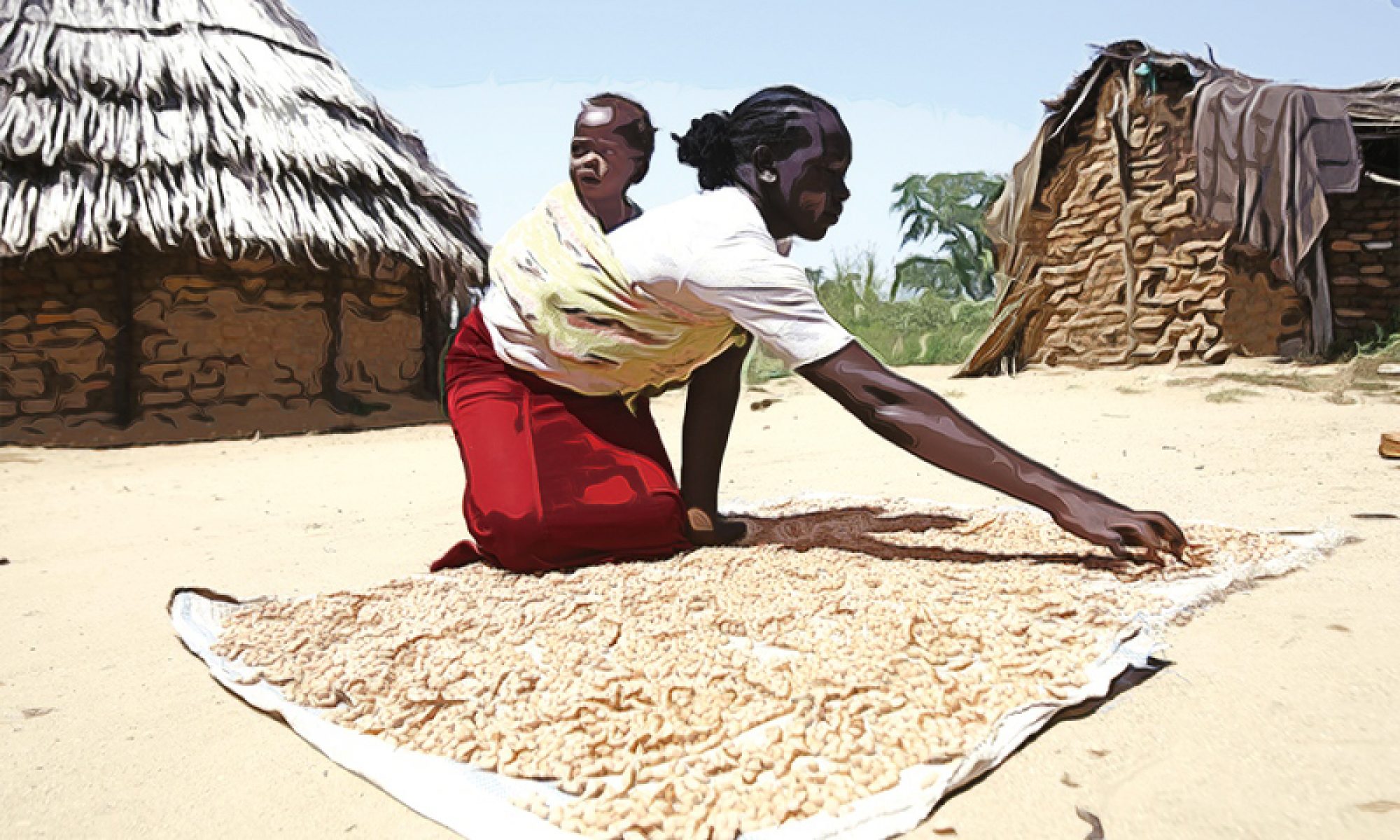

Darfur’s turbulent history—with its episodes of conflict, displacement, and limited state infrastructure—has disrupted conventional economic ecosystems, particularly affecting marginalized groups. Several key factors shape the economic landscape for women in the region:
- Conflict and Insecurity: Constant unrest disrupts businesses, restricts mobility, and hampers access to safe markets and training centers.
- Displacement: Many communities have been fragmented through displacement, making access to formal education and economic activities sporadic.
- Resource Scarcity: Limited availability of capital, land, and basic financial services constrains entrepreneurship and business growth.
- Socio-Cultural Barriers: Deeply rooted patriarchal norms often restrict women’s participation in public life and curtail opportunities for economic decision-making.
Despite these obstacles, a growing number of initiatives are breaking down barriers and opening new economic avenues for women in Darfur.
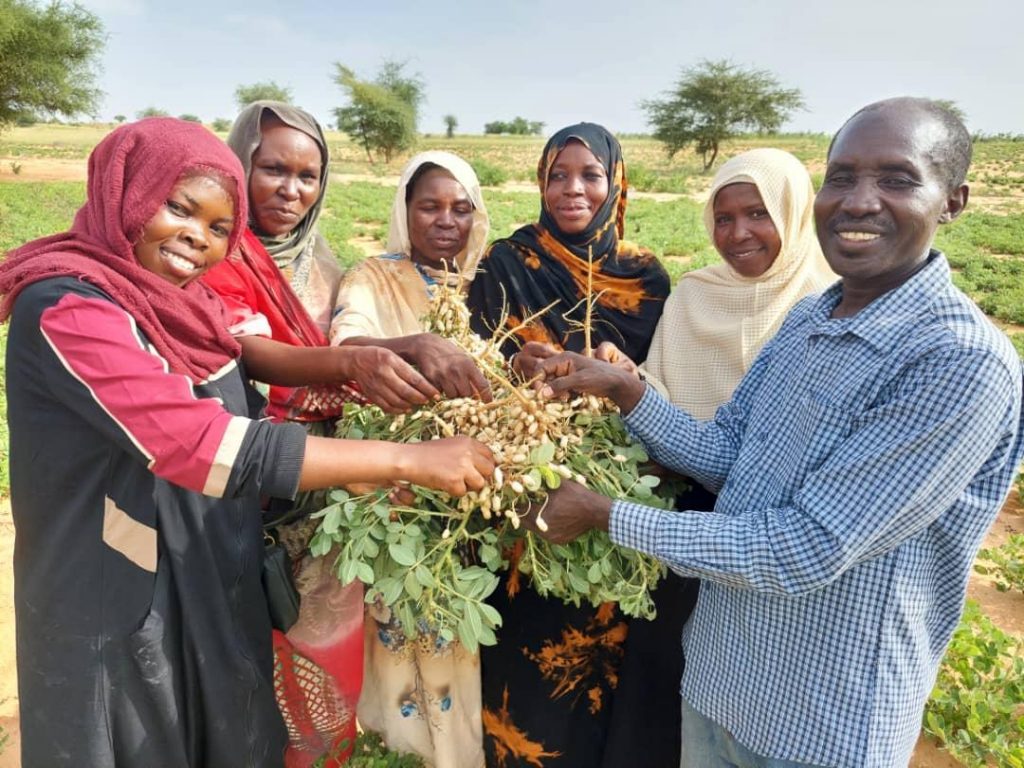
Economic Empowerment: Concepts and Opportunities
What Is Economic Empowerment?
Economic empowerment refers to the processes and outcomes by which individuals gain the capabilities to participate fully in economic life. For women in Darfur, this means:
- Access to Financial Services: Microloans, savings programs, and other financial instruments that enable them to start or expand small businesses.
- Vocational and Skills Training: Programs that impart marketable skills—from tailoring and handicrafts to ICT and modern agricultural techniques—that enhance employability and entrepreneurial aptitude.
- Capacity Building: Initiatives that bolster business acumen, financial literacy, and leadership skills, thereby fostering self-reliance and community participation.
- Market Integration: Creating pathways for women to access broader markets through local cooperatives, digital platforms, and networking opportunities.
Opportunities for Economic Empowerment
Even in a resource-constrained and conflict-affected environment like Darfur, multiple opportunities exist that can turn adversity into growth:
- Microfinance and Savings Networks
- Community-Based Savings Groups: Initiatives such as Village Savings and Loan Associations (VSLA) empower women by providing them with capital and a safety net for microenterprise projects.
- Innovative Microcredit Schemes: These programs target underserved populations, allowing women to invest in small businesses, agriculture, or artisanal crafts.
- Vocational Training and Skill Development
- Traditional Crafts and Artisanal Skills: Training in weaving, embroidery, pottery, and related crafts helps preserve cultural heritage while opening sustainable income streams.
- Tech and Digital Literacy: Programs that help women learn basic computer skills and digital marketing techniques enable them to participate in e-commerce and access remote markets.
- Agricultural Training: With agriculture being a cornerstone of rural livelihoods, training in modern farming techniques, sustainable practices, and livestock management offers direct economic benefits.
- Entrepreneurship and Business Management
- Small Business Incubation: Workshops and mentorship initiatives equip women with business planning, financial management, and marketing skills.
- Tailoring and Fashion Design: These sectors not only tap into traditional skills but also modernize them for broader commercial appeal, from local boutiques to export markets.
- Digital Platforms and Market Integration
- E-Commerce and Mobile Payment Systems: Despite infrastructural challenges, digital platforms are increasingly used to connect local products to national and even international markets.
- Networking and Cooperative Models: Building cooperatives and peer networks not only strengthens community ties but also enhances collective bargaining power in the market.
Key Initiatives and Best Practices
Various local, regional, and international organizations are pioneering projects aimed at economic empowerment. These initiatives are vital in catalyzing meaningful change:
| Initiative/Organization | Focus Area | Impact & Opportunities |
| Community Savings Groups (VSLAs) | Microfinance and Financial Inclusion | Provide capital for starting businesses, enhance financial literacy, and build a safety net for economic activities. |
| Vocational Training Centers | Skills Development (Crafts, ICT, Agriculture) | Equip women with marketable skills, foster entrepreneurship, and offer pathways to formal employment or self-employment. |
| Agricultural Cooperatives | Sustainable Agriculture and Livestock Management | Empower women to engage in modern farming techniques, enhance food security, and generate sustainable income streams. |
| Digital Literacy and E-Commerce Projects | Technology and Market Access | Bridge the digital divide by training women in ICT and connecting local products to regional and international markets. |
| Entrepreneurship Incubators | Business Management and Mentorship | Provide mentorship, business planning, and access to networks and financial resources, thereby fortifying women-led enterprises. |
These initiatives often operate through multi-stakeholder partnerships involving NGOs, local governments, and international donors, ensuring a holistic and community-centered approach.
Challenges and Recommendations
Persistent Challenges
Despite these strides, several significant hurdles remain:
- Infrastructural Limitations: Poor road networks, sporadic electricity, and limited internet connectivity hinder reliable access to markets and digital platforms.
- Security Risks: Ongoing conflicts and instability continue to threaten safe passage, disrupt business operations, and limit girl’s education and training attendance.
- Cultural and Social Resistance: Deep-seated gender norms and traditional roles can stifle women’s active participation in economic activities.
- Limited Access to Capital: Many women remain excluded from formal banking systems, making it difficult to secure the necessary funding for scaling up businesses.
Strategic Recommendations
- Enhance Infrastructure and Digital Connectivity:
- Invest in solar-powered technology and mobile learning units to mitigate infrastructural gaps.
- Develop safe, decentralized centers that facilitate both vocational training and digital commerce.
- Strengthen Multi-Stakeholder Collaborations:
- Foster partnerships between local NGOs, international donors, and government bodies to secure sustainable financial and technical support.
- Encourage policy reforms that explicitly support women’s economic initiatives in conflict zones.
- Promote Cultural Sensitivity and Community Engagement:
- Design and implement programs that are culturally relevant and involve community elders and local leaders to ensure buy-in.
- Conduct awareness campaigns to challenge gender stereotypes and celebrate women’s economic contributions.
- Expand Financial Inclusion Efforts:
- Scale up microfinance initiatives and link them with vocational training programs to ensure that women not only acquire skills but also the capital to utilize them.
- Develop financial literacy programs that clarify the benefits of formal banking and digital payment solutions.
Economic empowerment has the potential to serve as a transformative pathway for women in Darfur, driving both individual prosperity and broader community resilience. By equipping women with financial resources, marketable skills, and access to decision-making platforms, these initiatives facilitate not only economic growth but also contribute to peace-building and social stability. While significant challenges persist, the evolving landscape of microfinance, vocational training, and digital innovation offers promising opportunities.
Empowering women economically in Darfur is not just an investment in individual livelihoods—it is an investment in the future of a community seeking healing and sustainable development. As multi-stakeholder collaborations continue to flourish, there is a growing consensus that women’s economic empowerment is a cornerstone of lasting peace and progress in the region.