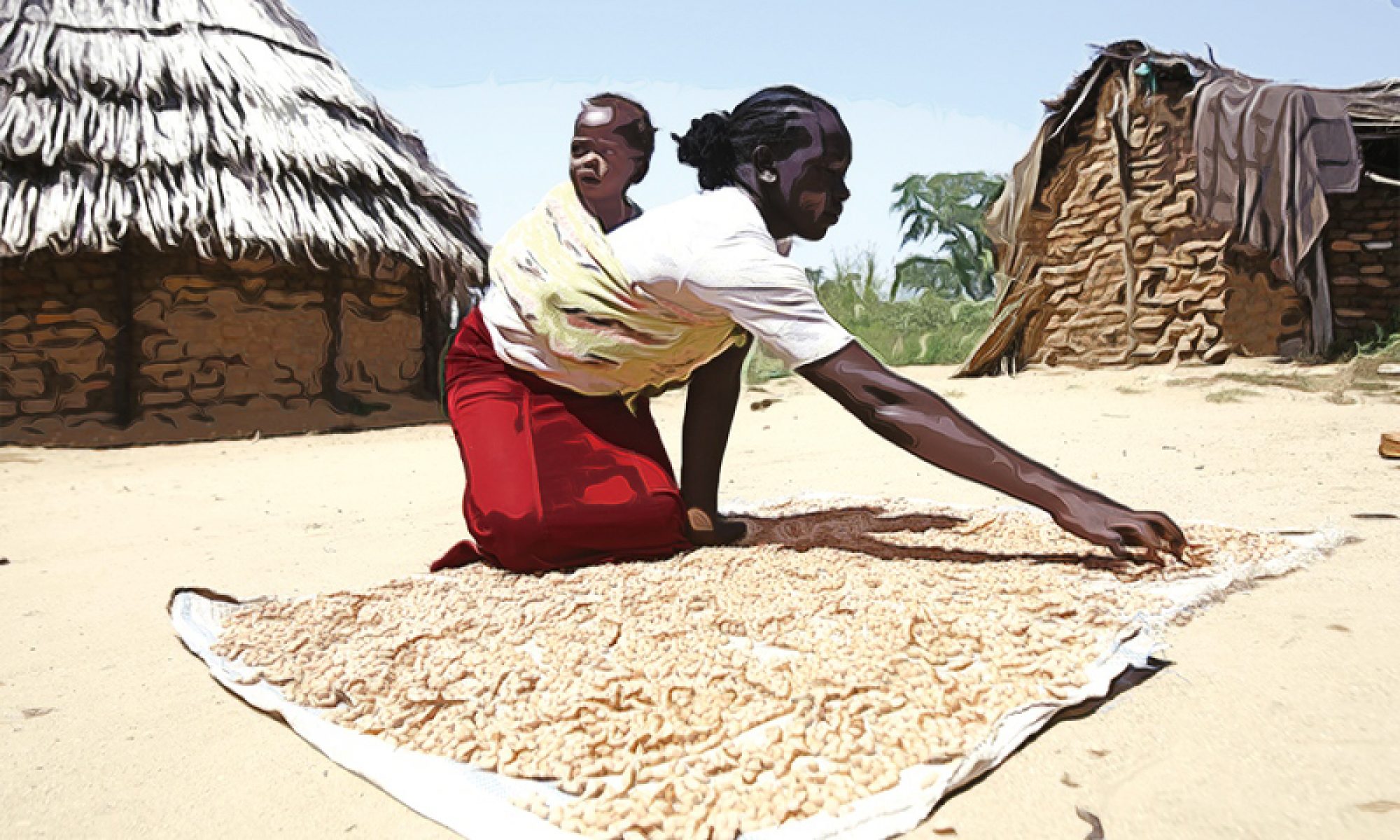

In Darfur—a region that has experienced long-term conflict, displacement, and socio-economic hardship—community programs have emerged as vital lifelines for women. These programs are not only delivering essential services such as education, health, and economic training but also creating supportive networks that help women build resilience, reclaim agency, and foster lasting community transformation. This report delves into the multifaceted role of these community programs, examining how they address local challenges and chart new pathways for empowerment.
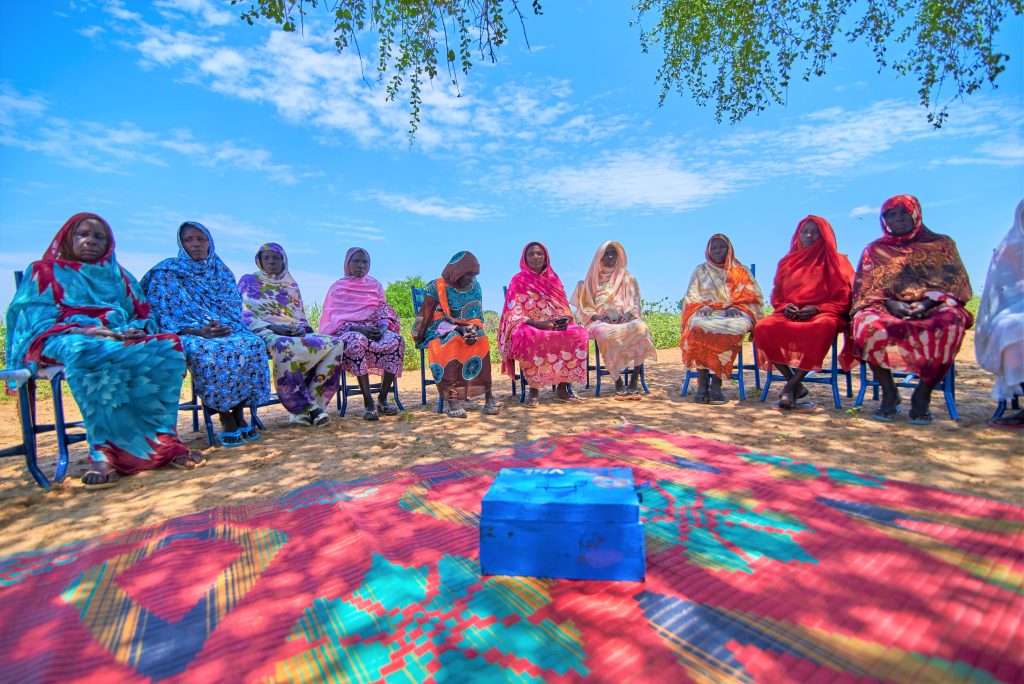
Socioeconomic Context and Rationale
Historical and Contemporary Challenges
- Conflict and Instability: Decades of conflict in Darfur have disrupted family structures, education, and economic opportunities. Constant threats to safety limit mobility and restrict access to resources, which has particularly impacted women.
- Displacement and Resource Scarcity: Widespread displacement has led to fragmented communities and limited access to housing, healthcare, and education. Women, often caring for families in these challenging environments, are disproportionately affected by these disruptions.
- Cultural Traditions and Gender Norms: Deep-seated patriarchal norms have historically limited women’s roles in public life. However, the social upheaval has also sown the seeds for new forms of community organization and leadership, which are critical to challenging these traditional barriers.
The Role and Importance of Community Programs
Community programs in Darfur have emerged as grassroots initiatives that:
- Provide safe spaces for social interaction and personal growth.
- Deliver tailored educational, vocational, and health services.
- Build networks that foster mutual support and collective advocacy.
- Empower women as agents of change within their communities, enabling them to participate in peacebuilding and local governance.
Overview of Community Programs
Community programs for women in Darfur encompass a broad range of services and support systems. These initiatives can be broadly categorized into four main types:
Educational and Vocational Programs
- Community Learning Hubs: These centers offer non-formal education, literacy classes, and life skills training. Many hubs have adapted to local needs by integrating traditional knowledge with modern curricula.
- Vocational Training Workshops: Programs focus on skills such as tailoring, embroidery, handicrafts, sustainable agriculture, and basic computer literacy. These skills not only foster economic independence but also preserve cultural heritage.
Economic Empowerment Initiatives
- Microfinance and Savings Groups: Programs like Village Savings and Loan Associations (VSLAs) empower women with financial resources. By pooling savings and accessing microloans, women are able to launch small businesses or invest in income-generating activities.
- Entrepreneurship Training: These programs pair vocational skills with business management workshops, mentoring, and market access support, enabling women to navigate the challenges of starting and sustaining their own ventures.
Health and Psychosocial Support
- Community Health Initiatives: Programs offer reproductive and maternal health services, health education, and access to mental health resources. Given the traumatic backdrop of conflict, these services are critical in supporting women’s overall well-being.
- Counseling and Trauma-Informed Care: Initiatives that include counseling services and peer-support groups help women cope with the psychological impact of conflict and displacement, fostering resilience.
Peacebuilding and Social Cohesion Programs
- Local Peacebuilding Forums: Community dialogues and mediation sessions involve women in conflict resolution and reconciliation processes. By engaging women in these spaces, programs help rebuild trust within communities and promote long-term peace.
- Advocacy and Leadership Training: Workshops on leadership, public speaking, and civic engagement build capacity among women to become advocates for change. These programs often encourage participation in local councils and community decision-making bodies.
Case Studies and Illustrative Initiatives
Below is an illustrative table summarizing notable community programs in Darfur, their focus areas, and the opportunities they provide:
| Initiative/Program | Focus Area | Impact & Opportunities |
| Community Learning Hubs | Non-formal Education and Literacy | Creating safe spaces for learning, fostering critical skills, and ensuring continuous education despite displacement issues. |
| Darfur Women’s Economic Empowerment Groups | Microfinance, Entrepreneurship | Leveraging community savings and microloans to enable women-led ventures, fostering self-reliance and economic stability. |
| Health and Well-being Initiatives | Health and Psychosocial Support | Providing essential maternal health, counseling, and health education services that strengthen community resilience. |
| Local Peacebuilding Forums | Conflict Resolution and Social Cohesion | Engaging women in mediating conflicts, promoting reconciliation, and actively rebuilding the communal fabric through dialogue. |
Example: A well-regarded program in a displaced community has successfully established a Community Learning Hub that doubles as a microfinance center. Women participants regularly engage in literacy classes during the day and later attend workshops on business management. This dual approach has not only enhanced their educational prospects but transformed them into local entrepreneurs, contributing to community development.
Challenges and Barriers to Program Success
While community programs have made significant strides, they face several ongoing challenges:
Security and Stability Concerns
- The enduring threat of conflict undermines the regular operation of community centers.
- Mobility restrictions and sporadic violence make it difficult for women to attend programs consistently.
Limited Infrastructure and Resources
- Inadequate physical infrastructure such as buildings, electricity, or internet connectivity limits the reach and effectiveness of programs.
- Scarcity of trained facilitators and funding constraints restrict the scalability of successful initiatives.
Cultural Resistance and Social Norms
- Persistent patriarchal attitudes and traditional gender roles can inhibit the participation of women and limit the acceptance of new ideas.
- Resistance from parts of the community may stifle efforts aimed at transforming customary practices and encouraging women’s leadership.
Strategic Recommendations for Strengthening Community Programs
To further enhance the effectiveness and sustainability of community programs for women in Darfur, the following strategies are recommended:
Strengthen Security and Local Ownership
- Safe Spaces: Invest in secure, decentralized centers that can safely host educational and vocational activities even in volatile environments.
- Community Ownership: Engage local leaders and families to foster ownership and ensure that programs are culturally responsive, thereby enhancing community buy-in.
Expand Infrastructure and Digital Connectivity
- Mobile and Modular Solutions: Utilize mobile learning units and portable technology (e.g., solar-powered devices) to deliver services in remote or high-risk areas.
- Digital Platforms: Develop and deploy offline digital libraries and e-learning modules that can supplement in-person sessions.
Enhance Collaborative and Multi-Stakeholder Approaches
- Partnerships: Strengthen partnerships among local NGOs, international donors, and government agencies to pool resources and share best practices.
- Integrated Programming: Combine health, economic, and educational initiatives under a single community umbrella to address the multifaceted needs of women holistically.
Promote Continuous Capacity Building
- Training the Trainers: Implement “train-the-trainer” initiatives to build a sustained cadre of local experts who can facilitate various programs.
- Peer Learning Networks: Foster networks that enable women to share experiences, mentor one another, and collectively navigate the challenges of community empowerment.
Community programs for women in Darfur stand as beacons of hope and resilience amid adversity. By providing education, economic opportunities, health services, and platforms for dialogue, these programs play a pivotal role in redefining women’s roles and advancing community development. Though challenges persist—ranging from security risks to infrastructural deficits—the evolving landscape of grassroots initiatives offers promising avenues for sustainable change.
These programs not only empower individual women but also catalyze broader social transformation, facilitating inclusive peacebuilding and community resilience. With continued investment, strategic partnerships, and a focus on culturally sensitive approaches, the future holds significant promise for further empowering women in Darfur.