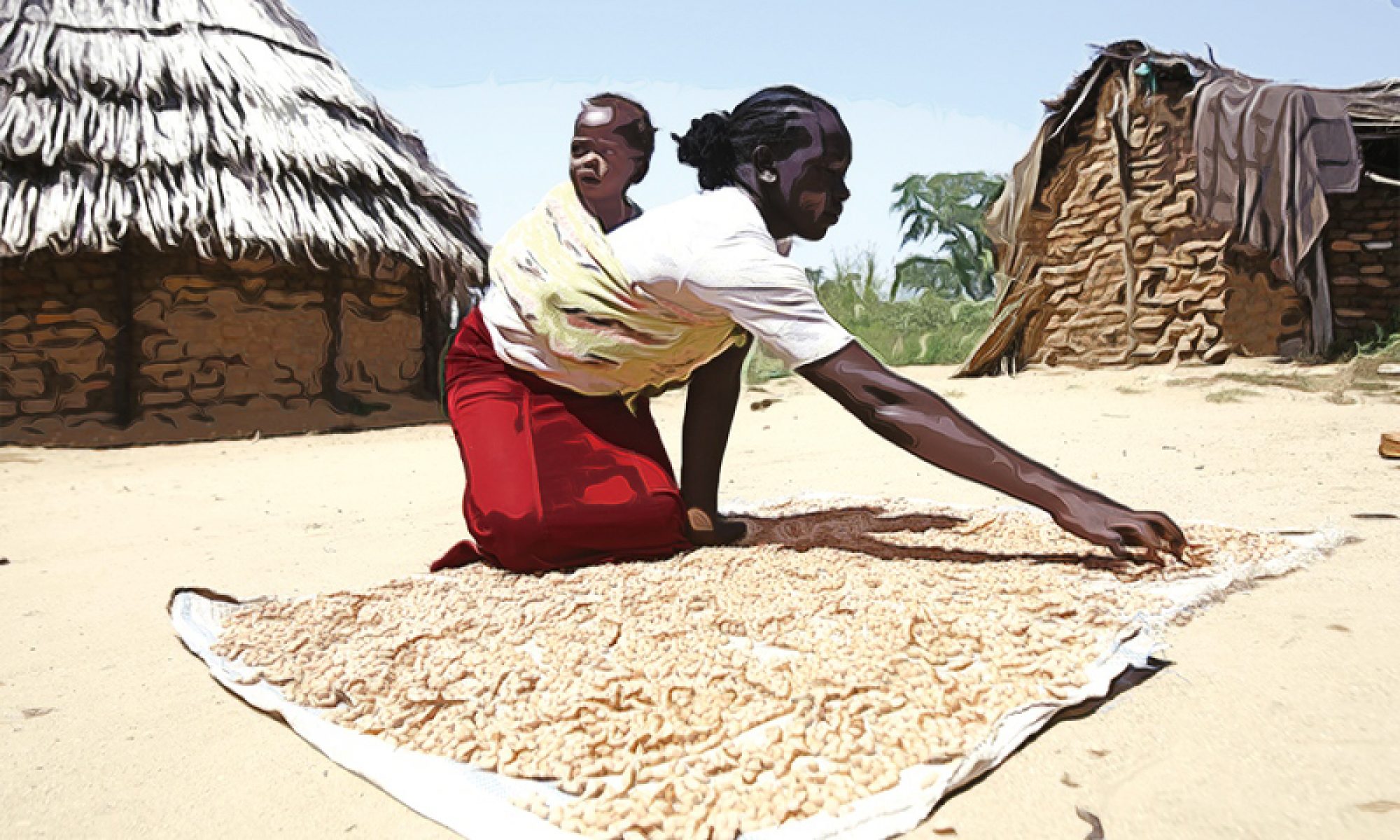

In Darfur—a region long impacted by conflict, displacement, and socio-economic challenges—women are increasingly turning to technology and innovation as tools for empowerment, education, and economic independence. Despite infrastructural constraints and cultural barriers, digital and technological solutions are opening pathways for enhanced communication, skills development, health access, and entrepreneurship. This report explores how technology is reshaping the lives of women in Darfur, enabling them to break cycles of marginalization and actively participate in community transformation.
Context and Socio-Economic Landscape
The Impact of Conflict and Displacement
- Protracted Conflict: Years of unrest in Darfur have disrupted traditional economic systems and educational infrastructures. Insecurity and instability limit physical access to markets, health services, and training centers.
- Displacement: Recurring displacement leads to fragmented communities where access to steady, reliable information and services is challenging. This disruption affects livelihoods and places disproportionate burdens on women as caretakers and community anchors.
Socio-Cultural and Infrastructure Barriers
- Patriarchal Norms: Cultural traditions often restrict women’s participation in education, leadership, and economic initiatives. However, these very constraints are being challenged by new technologies that offer alternative channels for empowerment.
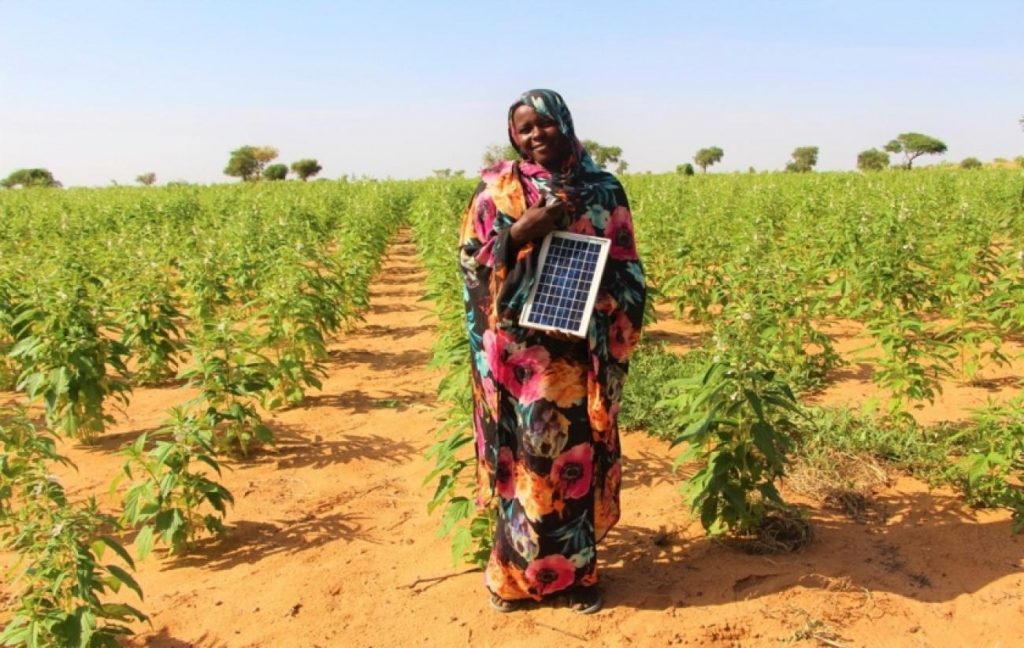
- Infrastructure Limitations: Limited electricity, poor connectivity, and a shortage of digital equipment create hurdles for implementing large-scale tech-driven programs. Nonetheless, innovative solutions such as solar-powered devices and mobile connectivity are beginning to bridge these gaps.
The Transformative Role of Technology
Technology and innovation can serve as powerful levers for women’s empowerment by:
- Enhancing Accessibility: Digital platforms and mobile connectivity enable access to educational resources, market information, and health services regardless of geographical constraints.
- Improving Communication: Social media and digital networks allow women to share their stories, mobilize for community causes, and advocate for their rights on local and international stages.
- Facilitating Economic Independence: E-commerce platforms, mobile banking, and digital marketplaces break the barriers of traditional market limitations, enabling women-sourced products and services to reach broader audiences.
- Supporting Capacity Building: Online courses, digital literacy workshops, and technology-driven vocational training initiatives equip women with new skills that are increasingly relevant in a global digital economy.
Innovations and Technology Solutions in Action
Several innovative approaches have been implemented or piloted in Darfur and similar conflict-affected regions. These initiatives provide valuable insights into how technology can be tailored to local needs:
Digital Learning and Community Tech Hubs
- Community Learning Hubs: Local centers equipped with digital libraries and computer labs offer non-formal education and vocational training. These hubs serve as safe spaces for women to learn digital literacy, business management, and technical skills.
- Mobile and E-learning Platforms: Innovative mobile applications and offline digital modules, often powered by solar energy, bypass some infrastructural challenges. Women can access educational content, health information, and entrepreneurial training without needing constant internet connectivity.
Digital Health and Telemedicine
- Telehealth Services: Mobile health units and telemedicine platforms bridge the gap between remote communities and healthcare providers. Women gain access to reproductive health counseling, maternal care information, and mental health support, all delivered through digital means.
- Health Information Systems: Digital dashboards and SMS-based health advisories help disseminate crucial medical information, ensuring that even those in remote areas remain informed about health best practices.
Digital Financial Services and E-Commerce
- Mobile Banking and Microfinance: Digital financial services, including mobile money platforms, enable women to engage in secure transactions, save funds, and access microloans. This enhanced financial inclusion supports entrepreneurial ventures and personal financial management.
- E-Commerce Platforms: Initiatives that facilitate online marketplaces allow women entrepreneurs to sell traditional crafts, agricultural products, or locally made goods to a broader audience. These platforms often integrate digital payment solutions to simplify transactions.
Social Media, Networking, and Advocacy
- Online Communities and Advocacy Networks: Social media channels and specialized websites enable women to create communities that transcend local barriers. These platforms serve as hubs for sharing best practices, discussing challenges, and coordinating advocacy efforts both locally and internationally.
- Digital Storytelling: Women use digital tools to document and share their experiences, challenges, and successes, thereby amplifying their voices and fostering greater cultural exchange and awareness.
Illustrative Examples and Initiatives
Below is a table summarizing some illustrative initiatives and their focus areas:
| Initiative/Program | Focus Area | Impact & Opportunities |
| Community Tech Hubs | Digital Literacy & Vocational Training | Safe spaces offering computer literacy, access to e-learning, and entrepreneurial training, helping women to acquire skills critical for the digital economy. |
| Mobile Health Units with Telemedicine | Digital Health and Telecare | Leveraging mobile and satellite technology to provide remote access to essential health services, reducing maternal and reproductive health risks. |
| Digital Financial Inclusion Programs | Mobile Banking and Microfinance | Facilitating secure, easy financial transactions and access to microloans, supporting women-led businesses and promoting economic autonomy. |
| E-Commerce and Online Marketplaces | Digital Marketing and Entrepreneurship | Online platforms that allow women to market and sell traditional and locally made products to national and international buyers. |
| Social Media Advocacy Groups | Digital Storytelling and Community Mobilization | Online networks that empower women to share their narratives, mobilize for community causes, and effectively advocate for their rights and needs. |
Challenges and Barriers to Technology Adoption
While technology holds immense promise, its implementation in Darfur faces several significant challenges:
Infrastructure and Connectivity
- Limited Electricity: In many areas, unreliable power supplies impede the consistent use of computers, mobile devices, and network equipment.
- Connectivity Issues: Sparse network coverage and low internet penetration restrict access to digital tools and online platforms.
Socio-Cultural Resistance
- Traditional Norms: Cultural practices may limit female participation in technology-driven activities, with some segments of society viewing digital engagement as a departure from accepted gender roles.
- Digital Literacy Gaps: A lack of foundational digital skills among many women can hinder the uptake of technology, necessitating targeted training programs.
Security and Access
- Conflict-Related Risks: Ongoing unrest and instability in certain areas may jeopardize the safe operation of tech hubs or restrict movement to digital literacy centers.
- Resource Limitations: Scarce funding and investment in digital infrastructure often push advanced technological solutions out of reach for many community programs.
Opportunities and Strategic Approaches for Future Growth
To overcome these challenges and unlock the full potential of technology for women in Darfur, several strategic approaches are recommended:
Investing in Renewable Energy and Mobile Solutions
- Solar-Powered Centers: Deploying solar-powered devices and off-grid energy solutions can mitigate power shortages, ensuring that digital hubs operate reliably.
- Mobile Digital Units: Mobile technology laboratories and learning vans can bring digital literacy and vocational training directly to remote communities, bypassing some connectivity challenges.
Strengthening Partnerships and Collaborative Networks
- Multi-Stakeholder Collaborations: Aligning efforts between local NGOs, international donors, community organizations, and government bodies can help pool resources for building sustainable digital infrastructure.
- Capacity Building Programs: “Train-the-trainer” models that empower local educators and community leaders to pass on digital skills create self-sustaining networks of knowledge and support.
Culturally Sensitive Program Design
- Community Engagement: Involving local leaders and elders in the design of technology initiatives ensures that programs are culturally appropriate and enjoy community buy-in.
- Tailored Curriculum: Developing digital literacy and entrepreneurial training materials that reflect local contexts and languages can increase relevance and engagement for women.
Expanding Access to Digital Financial Services
- Inclusive Mobile Banking: Strengthening mobile financial services to reach even the most isolated communities can empower women economically by enabling secure transactions and access to credit.
- Digital Microfinance Platforms: Integrating digital funding platforms with vocational training programs can provide women with the necessary capital and advice to start or expand their own businesses.
Technology and innovation hold transformative potential for women in Darfur, offering pathways to enhanced education, healthcare, entrepreneurship, and community engagement despite long-standing challenges. By embracing digital solutions—from mobile banking and e-learning to telemedicine and online marketplaces—women in Darfur can redefine their roles in society, foster economic independence, and contribute to community peace and resilience.
Realizing this potential requires commitment to overcoming infrastructural, cultural, and security barriers through strategic investments, culturally sensitive program designs, and robust partnerships. As communities, governments, and international partners continue to innovate together, technology can become a powerful engine driving the sustainable empowerment of women in Darfur—a critical piece in the broader mosaic of rebuilding a resilient and inclusive society.