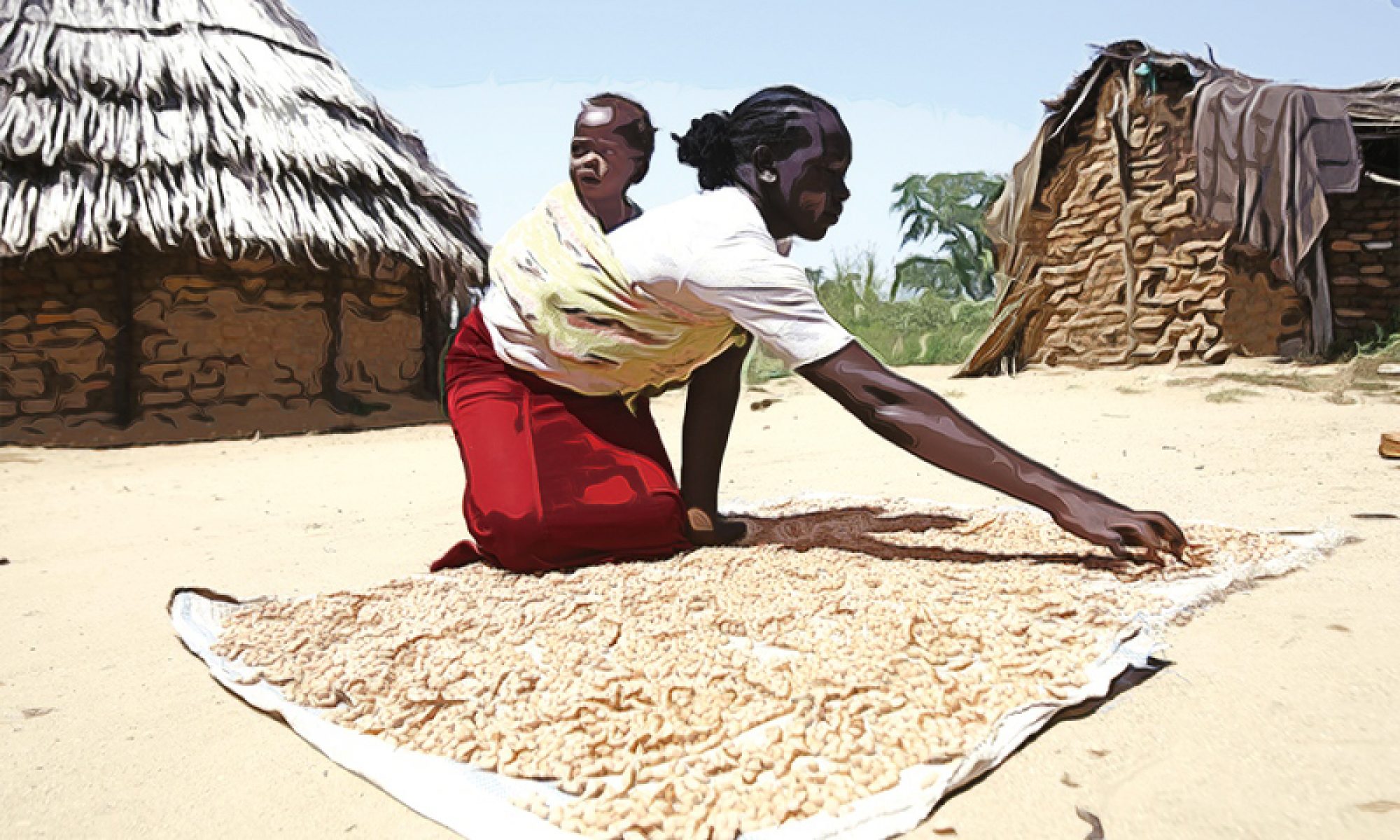

In the heart of Darfur—an area marked by a long history of conflict, displacement, and cultural richness—childhood is an experience defined by both profound challenges and remarkable resilience. For many children in this region, their early years are not only a time of play and discovery but also a period shaped by harsh realities and the enduring strength of community and tradition.
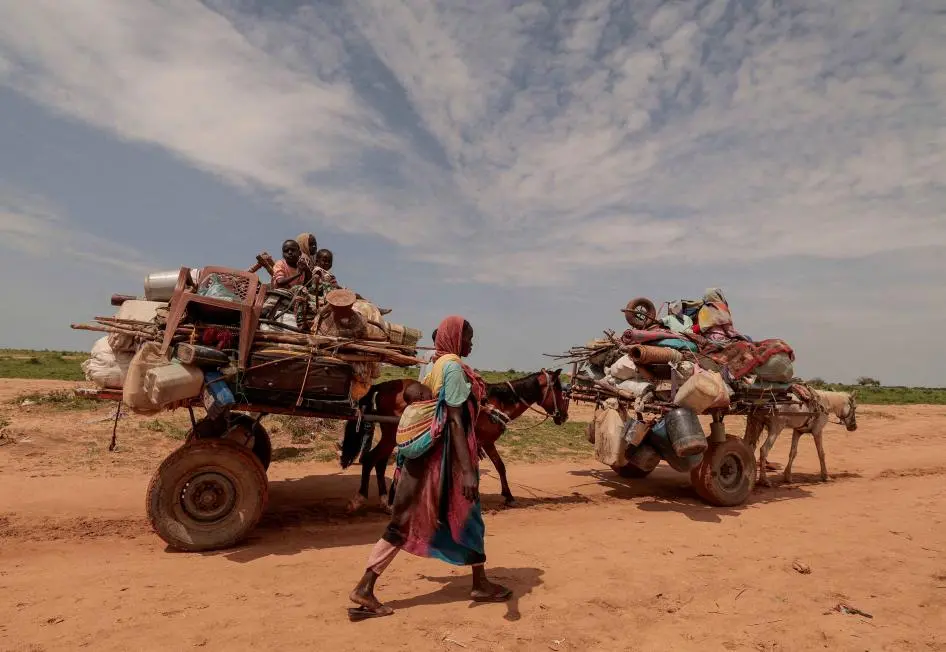
The Shadows of Conflict
The legacy of conflict in Darfur casts a long shadow over the lives of its children. Many have grown up in a landscape where violence and instability disrupt daily routines, interrupt education, and impose the burdens of displacement. Frequent exposure to insecurity has meant that a child’s world is often one where fear and uncertainty interlace with the innocence of youth. In displacement camps and makeshift settlements, children navigate environments that are starkly different from the secure spaces most associate with childhood.
Ongoing tensions and sporadic outbreaks of violence have also forced families into a continuous state of vigilance. For many children, this translates into a reality where playful moments are interspersed with the necessity of coping with loss, trauma, and the unpredictable nature of their surroundings.
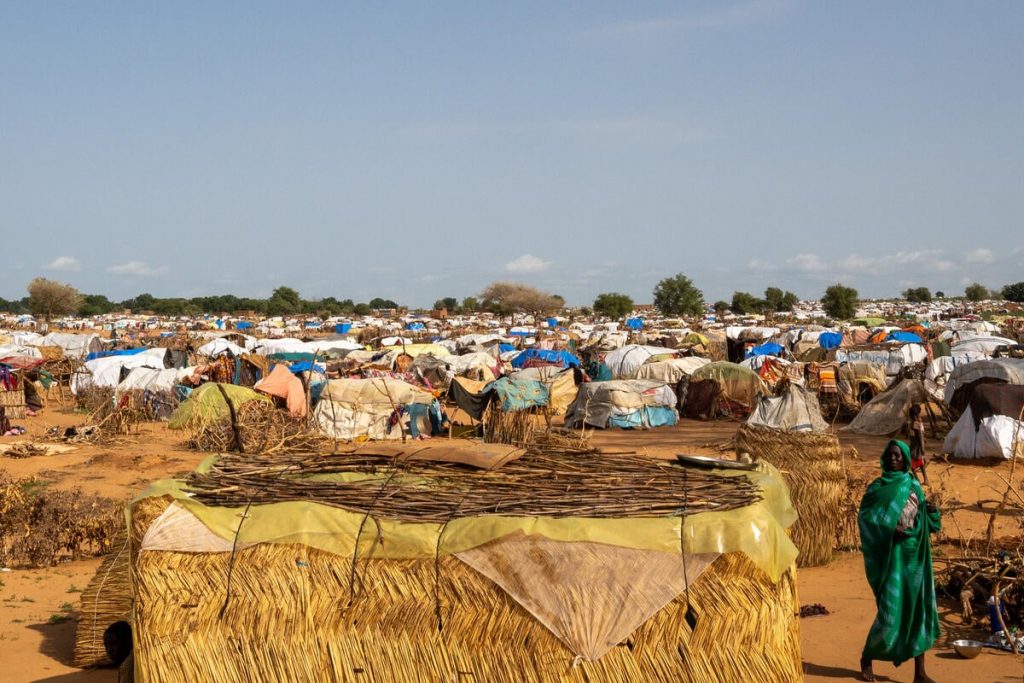
The Fabric of Family and Community
Despite the formidable challenges, the social fabric of Darfur provides essential support for its youngest members. Extended family networks and tribal structures act as protective layers, ensuring that children are enveloped in a community that values kinship and mutual support. Mothers, grandmothers, and community elders pass down traditions, stories, and cultural practices that anchor children in a sense of identity and belonging, even when the external world seems chaotic.
Community gatherings, religious ceremonies, and traditional storytelling sessions foster a shared resilience. These cultural practices not only provide comfort but also serve as subtle forms of resistance against the erosion of identity caused by long-term conflict. In many instances, the act of preserving and transmitting ancestral narratives gives children a glimpse of hope and continuity, reinforcing the idea that survival goes hand in hand with the sustenance of culture.
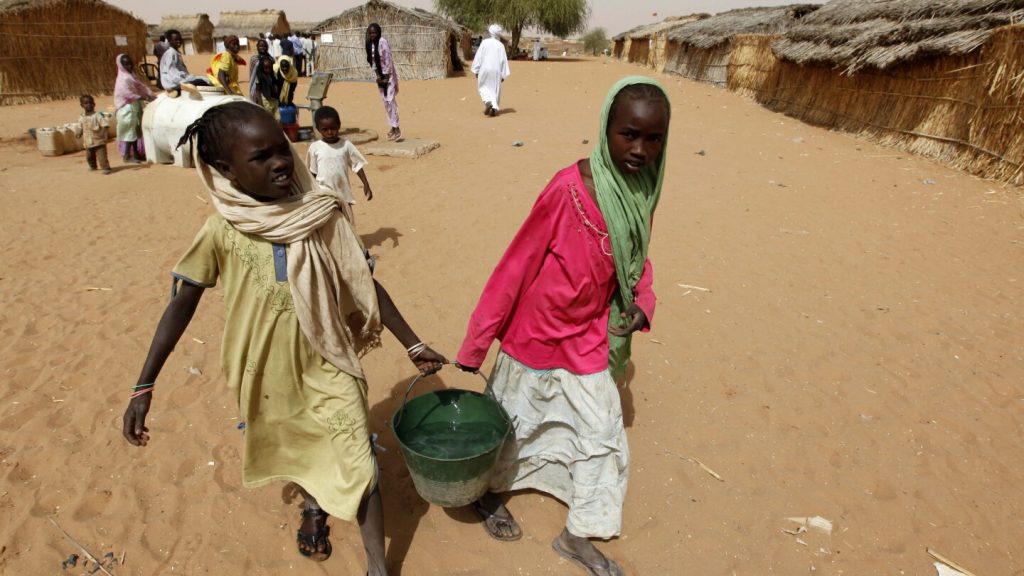
Daily Life: Between Routine and Uncertainty
A typical day for a child in Darfur is often a complex navigation between routine responsibilities and the unpredictable nature of life in a conflict zone. In rural villages and displacement camps alike, children contribute to the household from an early age—whether by helping with agricultural tasks, caring for livestock, or assisting in chores. Such responsibilities, while imparting important life skills, also serve as a reminder that childhood here is intertwined with the collective work required for survival.
Education, when accessible, becomes a beacon of normalcy amid disruption. Schools and informal learning centers, often supported by international and local non-governmental organizations, strive to provide structured learning environments. However, the challenges of sporadic attendance, infrastructure limitations, and security concerns sometimes impede the continuity of education, leaving many children to piece together their studies through unconventional means.
The Role of External Interventions
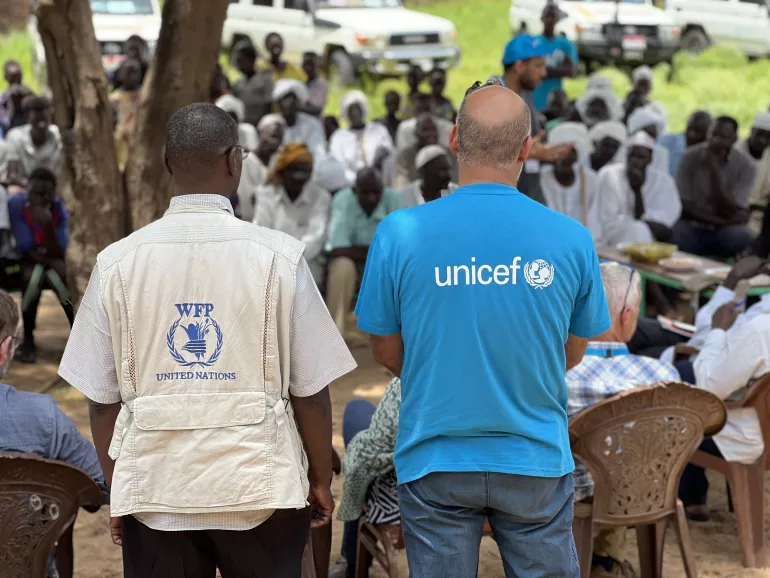
Recognizing the unique vulnerabilities of children in Darfur, numerous humanitarian organizations have tailored programs to safeguard their wellbeing and nurture their potential. Interventions often focus on creating safe spaces—both physical and emotional—where children can express themselves, learn, and heal. Initiatives such as mobile classrooms, community-based education centers, and psychosocial support programs are crucial lifelines that help mitigate the adverse impacts of conflict.
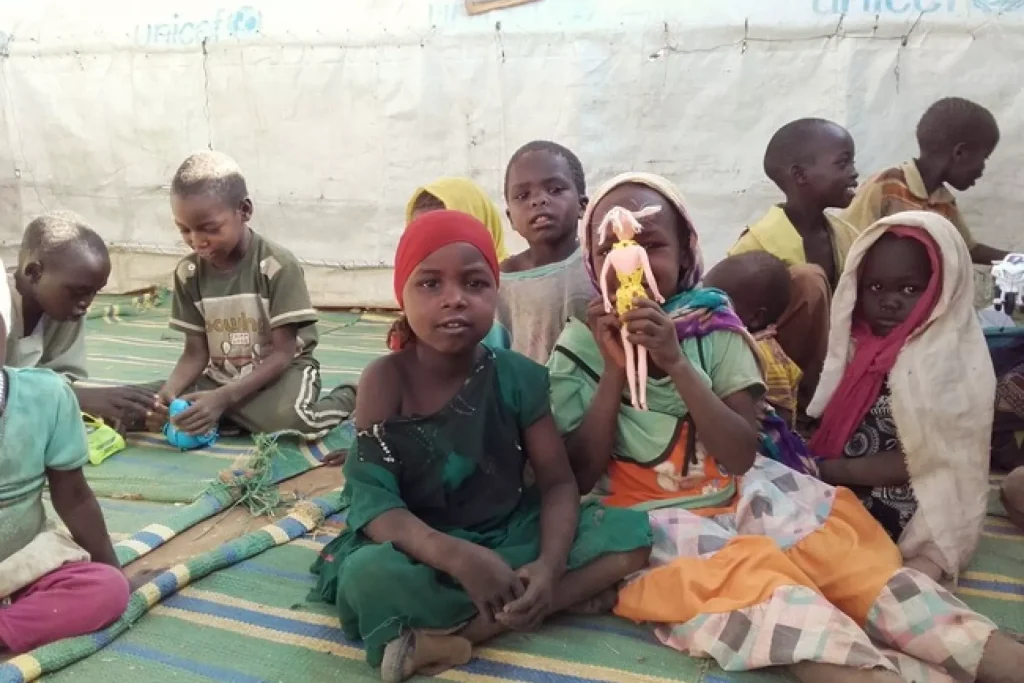
These interventions go beyond academic support. They incorporate elements of play therapy, cultural expression, and skill-building activities that empower children to retain a sense of hope and agency. By engaging with art, music, and storytelling, children are provided an alternative narrative—one that underscores resilience, creativity, and the potential for renewal even in the face of adversity.
Resilience and the Glimmer of Hope
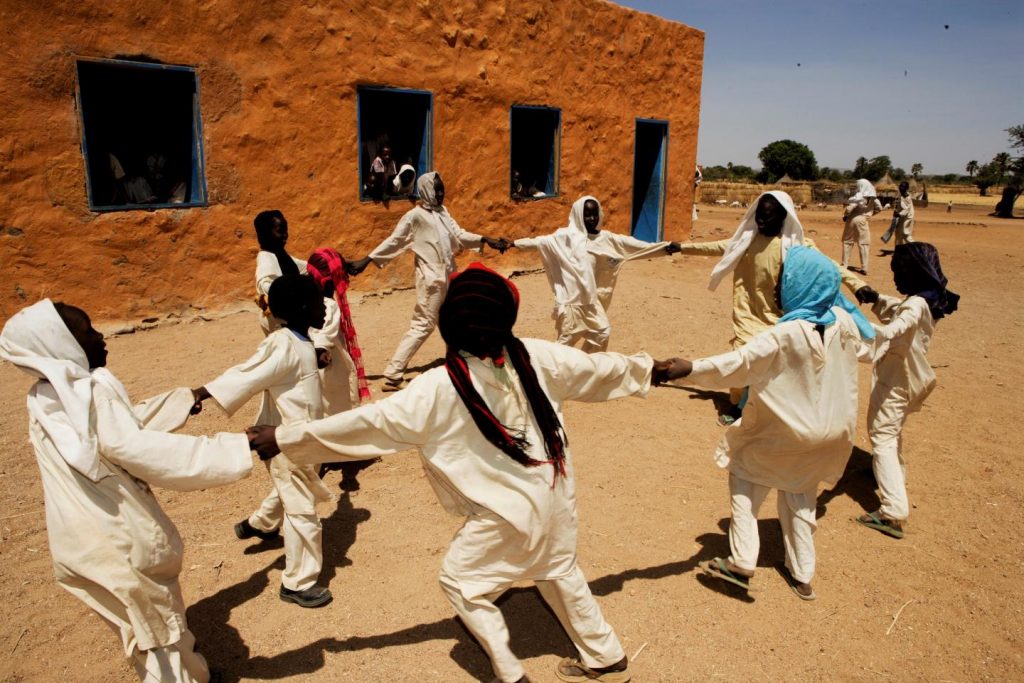
Amid hardship, the inherent resilience of Darfur’s children shines through. Their ability to adapt, to find moments of joy, and to rely on the collective strength of family and community is a testament to the human spirit’s enduring capacity to overcome. The laughter shared during community games, the quiet moments of creativity in makeshift classrooms, and the gentle reassurance provided by elders all contribute to a narrative of hope.
This resilience is not without its scars. The psychological and emotional toll of continuous exposure to conflict leaves marks that require long-term attention. However, the same resilience that has enabled these children to survive under extraordinary circumstances also lays the foundation for future recovery and growth. Their experiences, though marred by pain, are also rich with lessons in solidarity, courage, and the transformative power of community support.
Looking to the Future
For many in Darfur, the future remains uncertain, yet the ambition to reclaim a peaceful, stable life endures. Efforts from local leaders, international agencies, and community organizations continue to lay the groundwork for a more hopeful tomorrow. As educational initiatives expand and protective measures strengthen, there is a burgeoning optimism that the cycle of hardship might be interrupted and replaced by opportunities for healing and growth.
Childhood in Darfur, therefore, is not solely a story of deprivation but also one of human tenacity. The challenges faced by its young residents highlight the urgent need for comprehensive and sustained efforts in safeguarding their rights and nurturing their potential. With continued support and a focus on the holistic well-being of these children, there is every reason to believe that their resilience will eventually translate into a brighter future for the entire region.