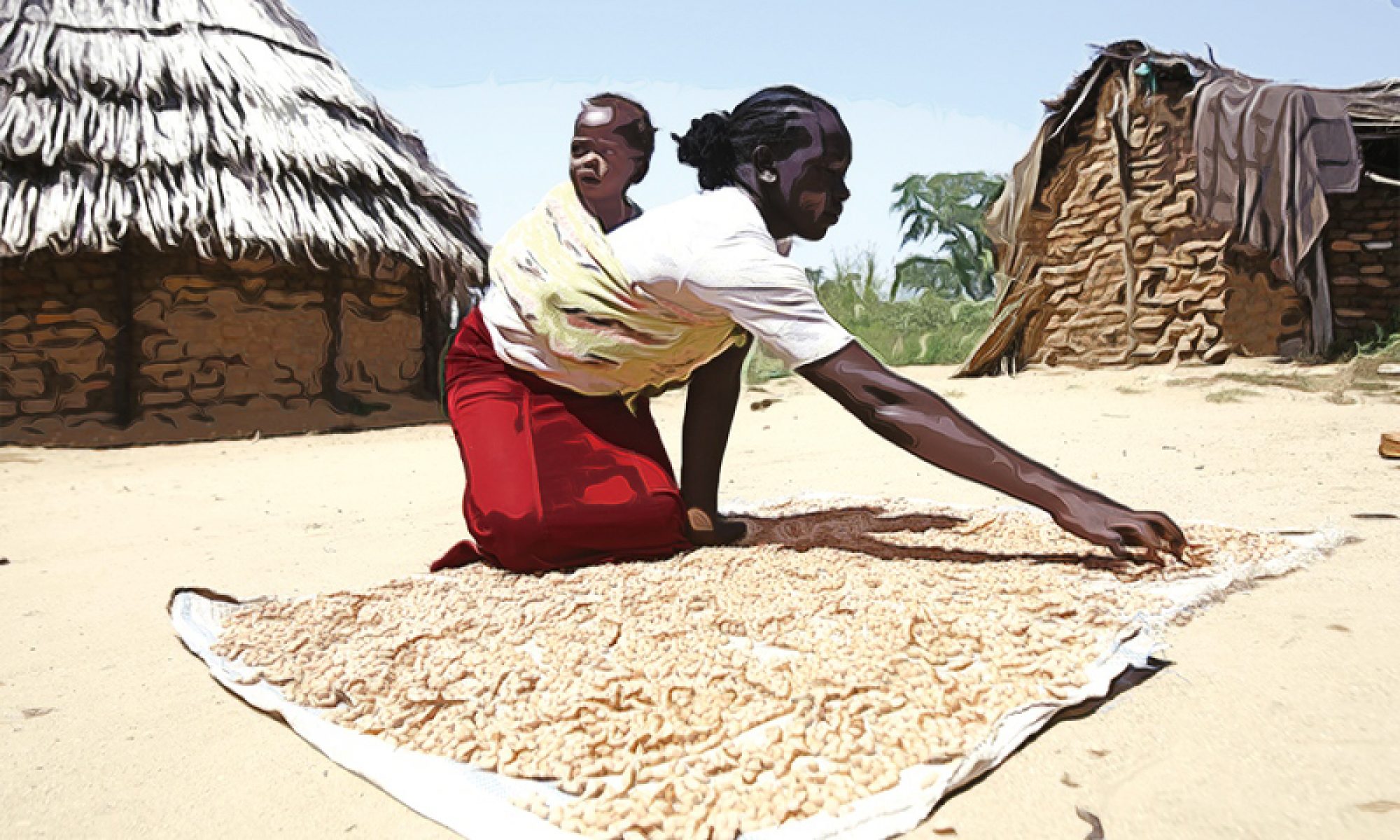
In the sweeping landscapes of Darfur—a region defined as much by its turbulent recent history as by its rich tapestry of ethnic diversity—women have long played an indispensable role in maintaining cultural identity and social cohesion. Their contributions, steeped in centuries of tradition, embody both the beauty of an ancestral heritage and the resilience required in the face of continuous challenges. This essay explores the multifaceted culture and traditions that define the lives of women in Darfur, examining how they serve as custodians of communal values, agents of social stability, and, increasingly, champions of change.
Historical and Social Context
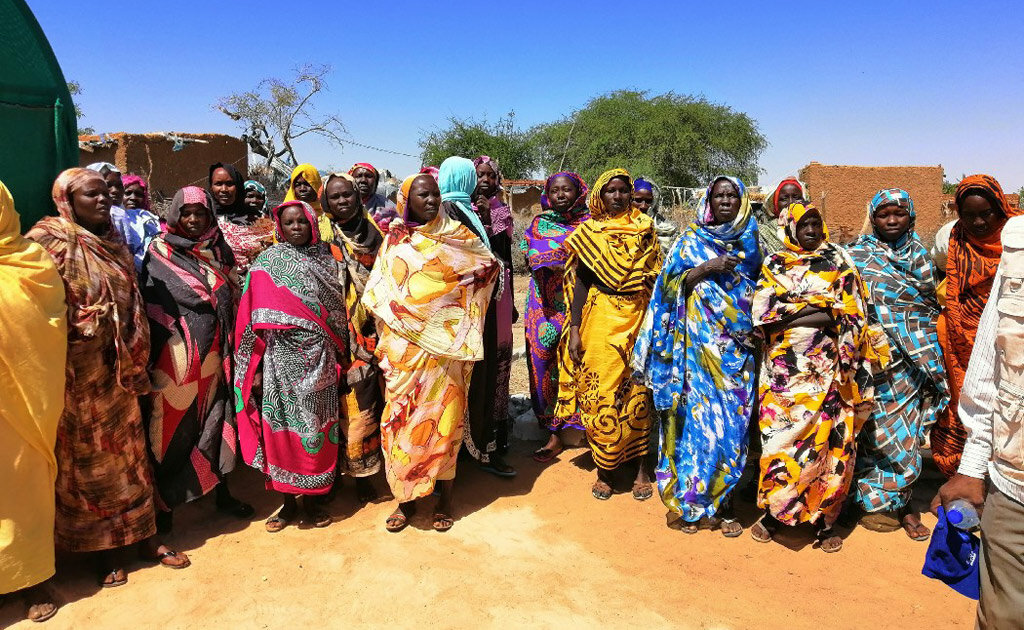
Darfur is home to a mosaic of ethnic groups, including the Fur, Masalit, and Zaghawa, each contributing distinct languages, rituals, and customs to the region’s identity. Over generations, these communities have developed social systems in which the roles of women are both well-defined and vital. Traditionally, the social fabric is woven from kinship ties and tribal affiliations, where oral storytelling, music, dance, and traditional dress not only reinforce a sense of belonging but also function as vehicles for transmitting cultural values.
Historical hardships—from environmental stressors like drought to prolonged periods of conflict—have influenced the ways in which traditions are upheld and adapted. Women in Darfur have continually been central to these processes, balancing the preservation of ancient customs with the demands of survival amid shifting political and economic realities.
Women as Custodians of Tradition
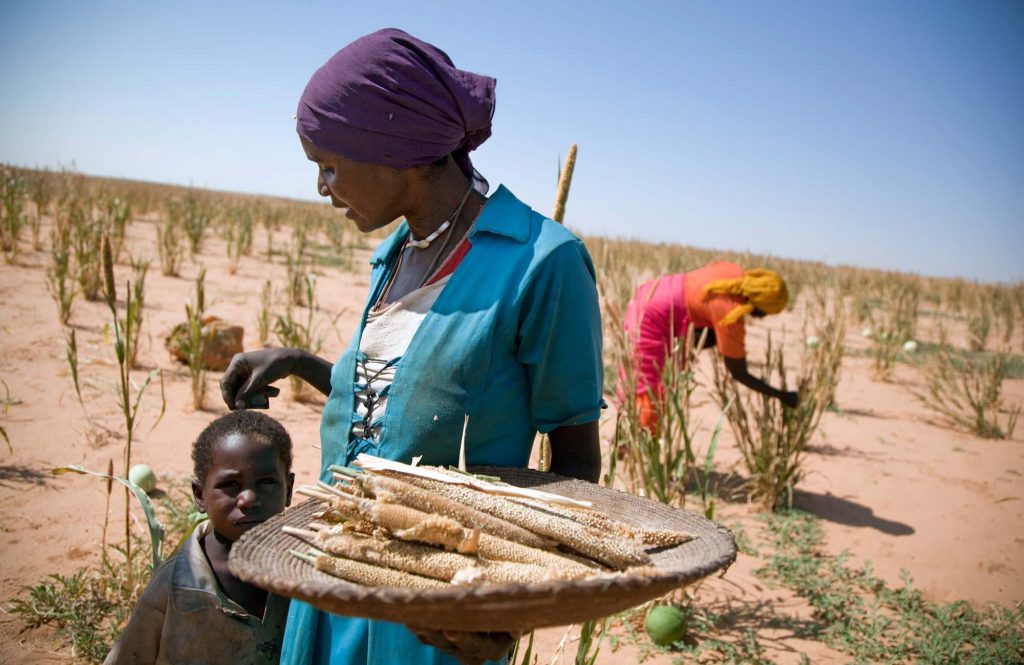
Women in Darfur are often regarded as the primary keepers of cultural memory. Their everyday activities extend far beyond the domestic sphere:
- Oral Traditions and Storytelling: Women pass down legends, proverbs, and historical narratives through storytelling sessions that occur in homes and communal gatherings. Such narratives not only entertain but also serve as pedagogical tools, instilling moral values and communal ethics in younger generations.
- Artisan Crafts: Traditional crafts such as weaving, embroidery, and pottery are largely overseen by women. These skills are passed from mother to daughter, ensuring that tangible cultural expressions remain vibrant. The motifs and patterns often bear historical significance, echoing symbols of identity and belonging.
- Culinary Heritage: Food is both nourishment and tradition. Women’s roles in preparing meals, preserving recipes, and organizing communal feasts cement their status as cultural custodians. Such practices reinforce social bonds and create spaces where community histories are celebrated and new rituals formed.
Traditional Roles and Social Customs
Deep-rooted gender norms have historically delineated the roles within Darfuri society. However, these roles are not static; they evolve with the needs of the community while remaining anchored in tradition.
- Marriage and Family Life: Marriage is a pivotal institution in Darfur’s social structure. Traditional ceremonies, often imbued with ritualistic symbolism, celebrate the union of families as much as individuals. Women organize, negotiate, and participate in these ceremonies, ensuring that customs—from intricate pre-wedding rituals to communal celebrations—are adhered to, thereby reinforcing social alliances.
- Rites of Passage and Rituals: Coming-of-age ceremonies and religious rituals mark important transitions in a woman’s life. These ceremonies combine indigenous beliefs with elements derived from Islam, reflecting the syncretic nature of cultural practices in Darfur. Women’s participation and leadership in these ceremonies highlight their role as both bearers of tradition and active shapers of cultural continuity.
- Community and Kinship Networks: The extended family and tribal network provide both emotional support and social security. In these networks, women often act as negotiators and mediators, using traditional knowledge to resolve conflicts and maintain the harmony of community relations.
The Impact of Conflict and Displacement
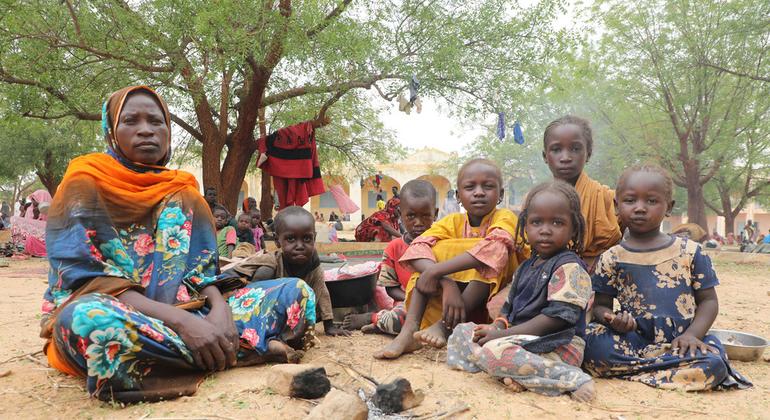
Conflict in Darfur has reshaped daily life, intensifying the challenges women face while also highlighting their resourcefulness. Protracted violence and displacement force communities to adapt, often accelerating changes in traditional roles.
- Adaptation in Adversity: Despite the upheaval caused by conflict, many women continue to perform cultural rituals and engender the values of their communities under strained circumstances. In displacement camps and informal settlements, improvised spaces for communal gatherings and traditional celebrations reaffirm that cultural identity endures even in adversity.
- Negotiating Change: The intersection of conflict and modern influences—such as education and technology—has led to a slight redefinition of gender roles. While many women continue to embody traditional responsibilities, there is also a growing space for voices that advocate for personal autonomy, education, and economic participation. This duality reflects a balancing act: preserving valuable cultural heritage while embracing opportunities to reshape their lives in a modernizing world.
Contemporary Expressions and the Future
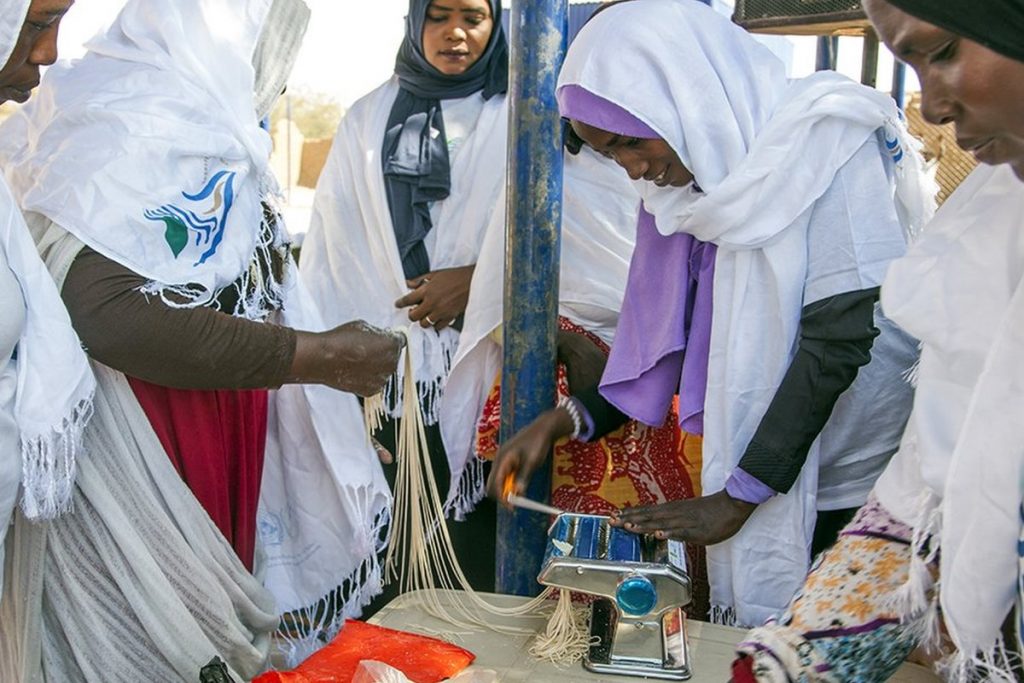
In recent years, initiatives by international NGOs and local community groups have begun to highlight and support the cultural practices of women in Darfur. Workshops, cultural festivals, and literacy programs provide platforms for women to both preserve traditions and voice contemporary concerns. These programs often include:
- Cultural Revitalization Projects: Programs that document oral histories, traditional crafts, and local rituals are critical in preserving knowledge that might otherwise be lost. Women actively participate as both subjects and custodians of these projects.
- Empowerment and Education Initiatives: Education and vocational training programs have allowed many women to gain skills that complement traditional crafts, providing alternative income sources and fostering resilience. Such initiatives do not reject cultural heritage; instead, they reinterpret traditions in ways that resonate with the realities of modern society.
- Community Dialogues: Forums that bring together elders, women, and youth are becoming increasingly common. These dialogues explore how traditional roles can evolve without discarding the values that have long defined Darfuri culture. They offer a space for critical reflection, ensuring that positive aspects of tradition continue to thrive while accommodating new perspectives and opportunities.
The culture and traditions for women in Darfur are rich, complex, and ever-evolving. Deeply embedded in the rituals of daily life, women serve as the enduring link between the past and the future—preserving ancestral knowledge, nurturing communal bonds, and navigating the changing landscapes brought on by conflict and modernization. While challenges remain, the vibrancy of these traditions and the resilience of the women who uphold them testify to an enduring strength that is as inspiring as it is transformative.