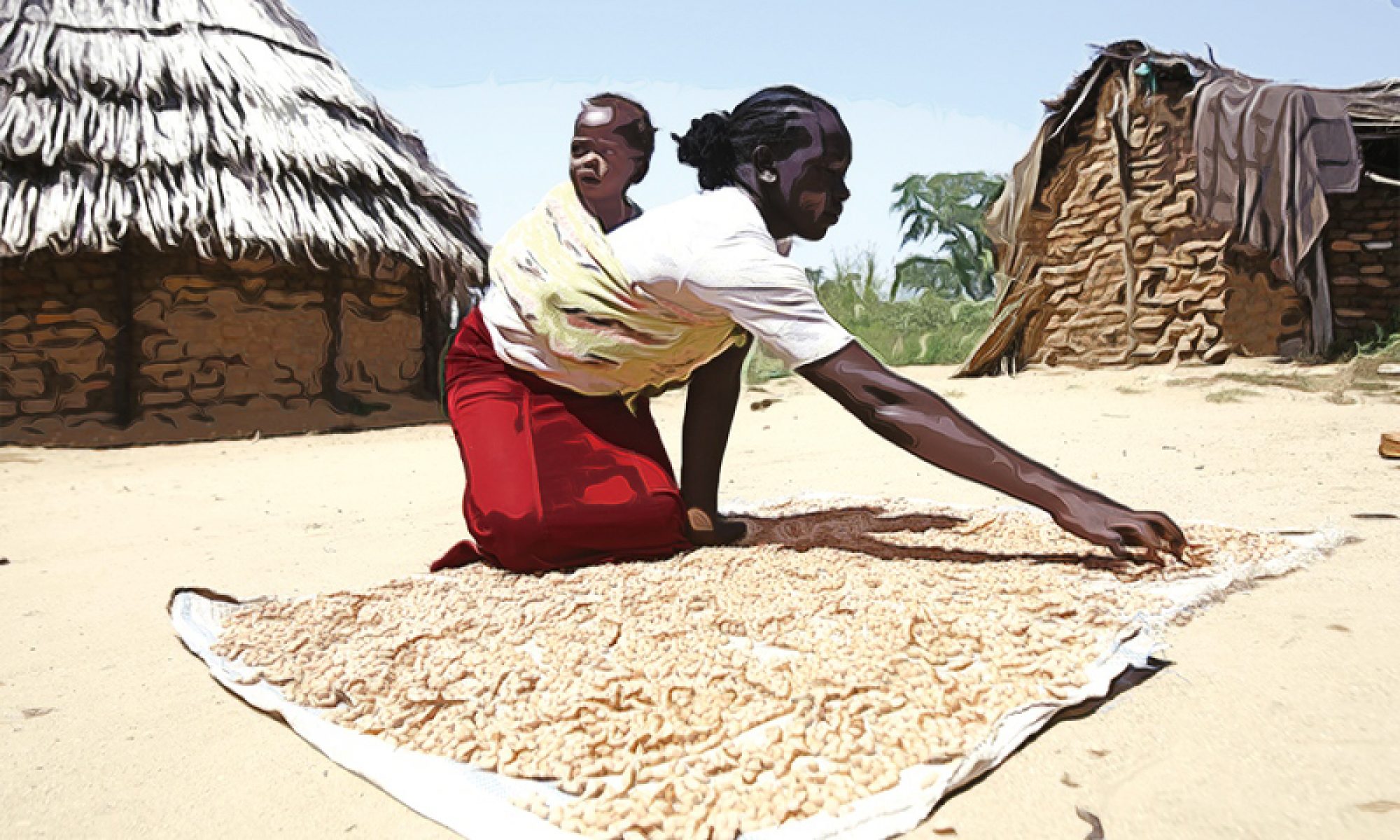
In Darfur, a region rich in cultural diversity yet scarred by prolonged conflict and displacement, fashion for women is much more than a matter of aesthetics. It is a living canvas that tells stories of heritage, adaptation, and the enduring spirit of a people who, despite hardships, continue to celebrate their identity. Fashion in Darfur emerges as a blend of traditional practices, environmental influences, and modern adaptations—each thread and fabric a silent witness to the complex interplay of history and contemporary life.
Historical and Cultural Influences
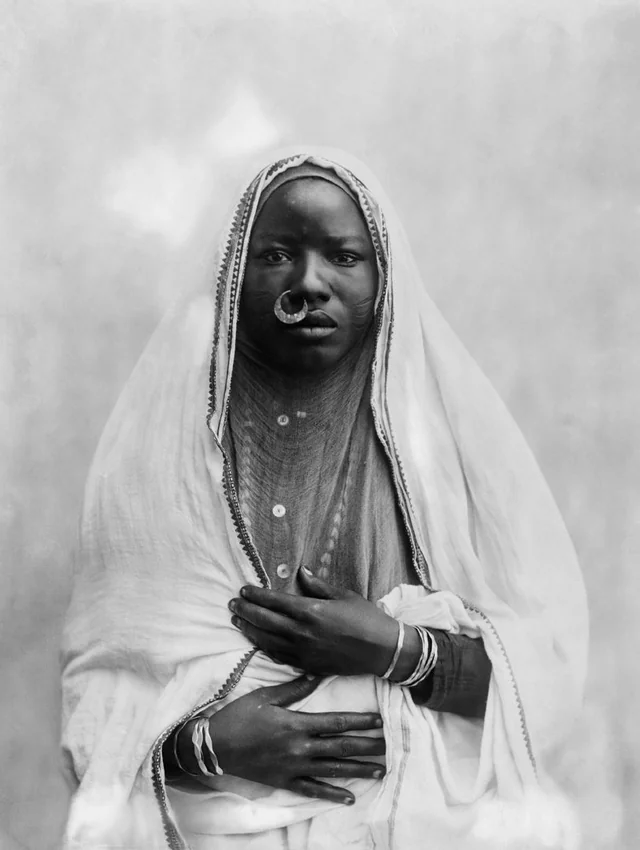
Darfur is home to a mosaic of ethnic groups, including the Fur, Masalit, and Zaghawa, whose traditions have been passed down through generations. The traditional attire of women in this region is deeply rooted in centuries-old customs, where every garment is imbued with symbols of lineage, community affiliation, and spirituality.
Historically, the clothing worn by women in Darfur was designed for both practicality and cultural expression. The region’s harsh climate—with its arid landscapes, dusty winds, and scorching sun—demanded garments that provided protection without compromising on comfort. As a result, traditional clothing often consists of lightweight, breathable fabrics that shield the wearer while allowing for ease of movement. Layers, head coverings, and flowing robes are typical, reflecting both the environmental necessities and the prevailing norms of modesty promoted by cultural and religious values.
Traditional Elements and Practices
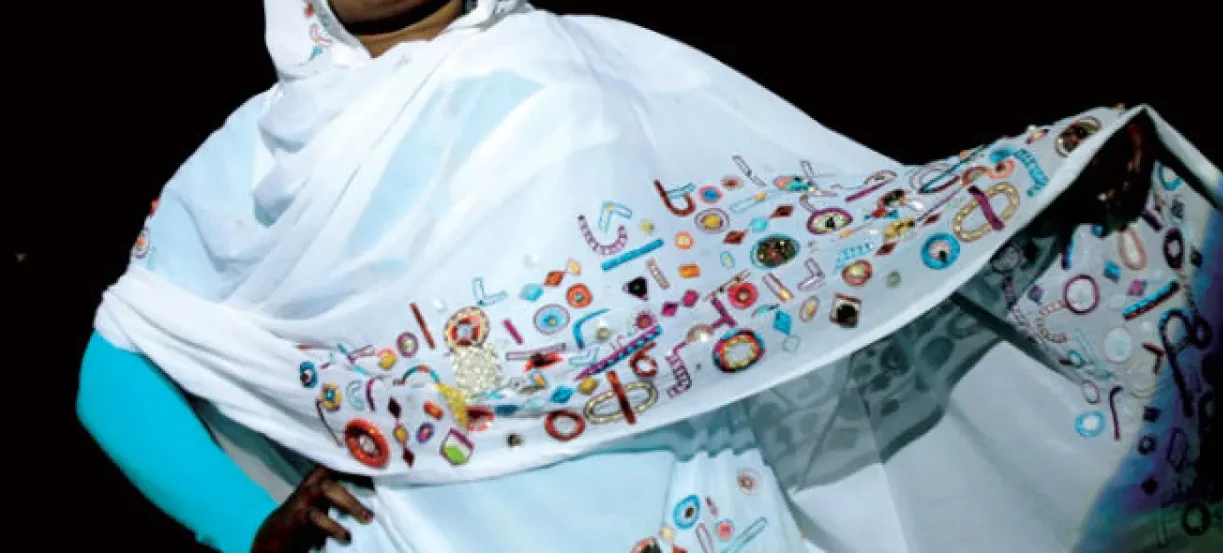
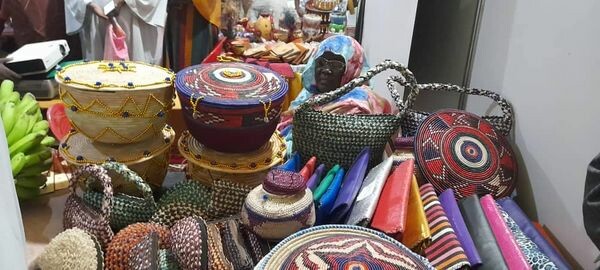
The distinctive style of Darfuri fashion is characterized by a rich palette of colors, intricate patterns, and artisanal craftsmanship. Women serve as custodians of these traditions, transmitting skills—from weaving and embroidery to the art of dyeing fabrics—that have been honed over generations.
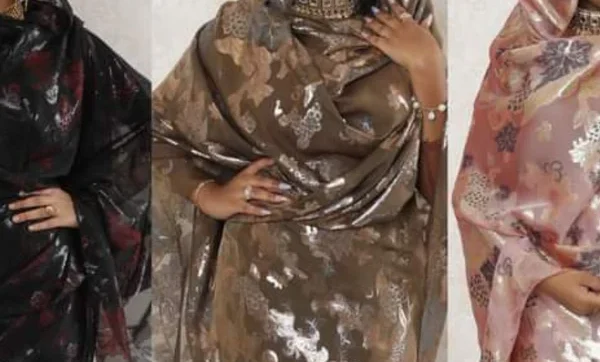
- Fabrics and Textiles: Local production of textiles often relies on natural fibers and dyes sourced from the local environment. The use of handwoven materials not only symbolizes a connection to the land but also represents a living art form that carries the history of the community within its designs.
- Adornment and Jewelry: Complementing their attire, women adorn themselves with jewelry made of beads, coins, and locally sourced metals. These adornments are not merely decorative; they serve as markers of identity, social status, and, at times, even marital or familial bonds.
- Traditional Silhouettes: Garments are typically designed to be loose-fitting to accommodate both the climate and cultural practices related to modesty. Headscarves and veils are common, often fashioned into elaborate styles that vary from one community to the next, each design reflecting a nuanced story of cultural heritage.
Modern Adaptations and Global Influences
While traditional garments continue to play a pivotal role, modern influences are gradually reshaping the landscape of women’s fashion in Darfur. Globalization and increased interaction with international markets have introduced new materials, patterns, and styles to the region, blending with age-old traditions in unexpected and innovative ways.
- Fusion of Styles: Contemporary Darfuri designers are reinterpreting traditional garments with a modern twist. For instance, the classic flowing robe may be updated with contemporary cuts or be paired with accessories that speak to global fashion trends, all while retaining cultural motifs that ground the attire in local tradition.
- Empowerment through Fashion: Fashion is increasingly being recognized as a vehicle for social empowerment. Initiatives by local NGOs and cultural organizations encourage women to explore design as a form of self-expression and economic opportunity. Fashion shows, workshops, and training programs not only celebrate traditional craftsmanship but also equip women with the skills to innovate and thrive in broader markets.
Fashion as a Manifestation of Resilience
Beyond its aesthetic appeal, the evolution of fashion in Darfur is a testament to resilience in the face of adversity. In environments where conflict and displacement have disrupted daily life, fashion becomes an act of resistance—a way for women to reclaim their dignity and assert their identity. Each change in style, each reinterpretation of a traditional motif, signals an ongoing dialogue between the past and the present.
In displacement camps and urban settings alike, women continue to harness their creativity through fashion. Despite limited resources, ingenious adaptations—such as repurposing available materials and blending traditional techniques with modern innovations—reveal a community that refuses to let adversity stifle its cultural voice.
Fashion for women in Darfur is a vivid narrative of endurance and evolution. It encapsulates the delicate balance between preserving a storied heritage and adapting to the demands of a rapidly changing world. Through the textiles they weave, the garments they design, and the jewelry they craft, Darfuri women continue to narrate their cultural story—one of resilience, creativity, and hope.