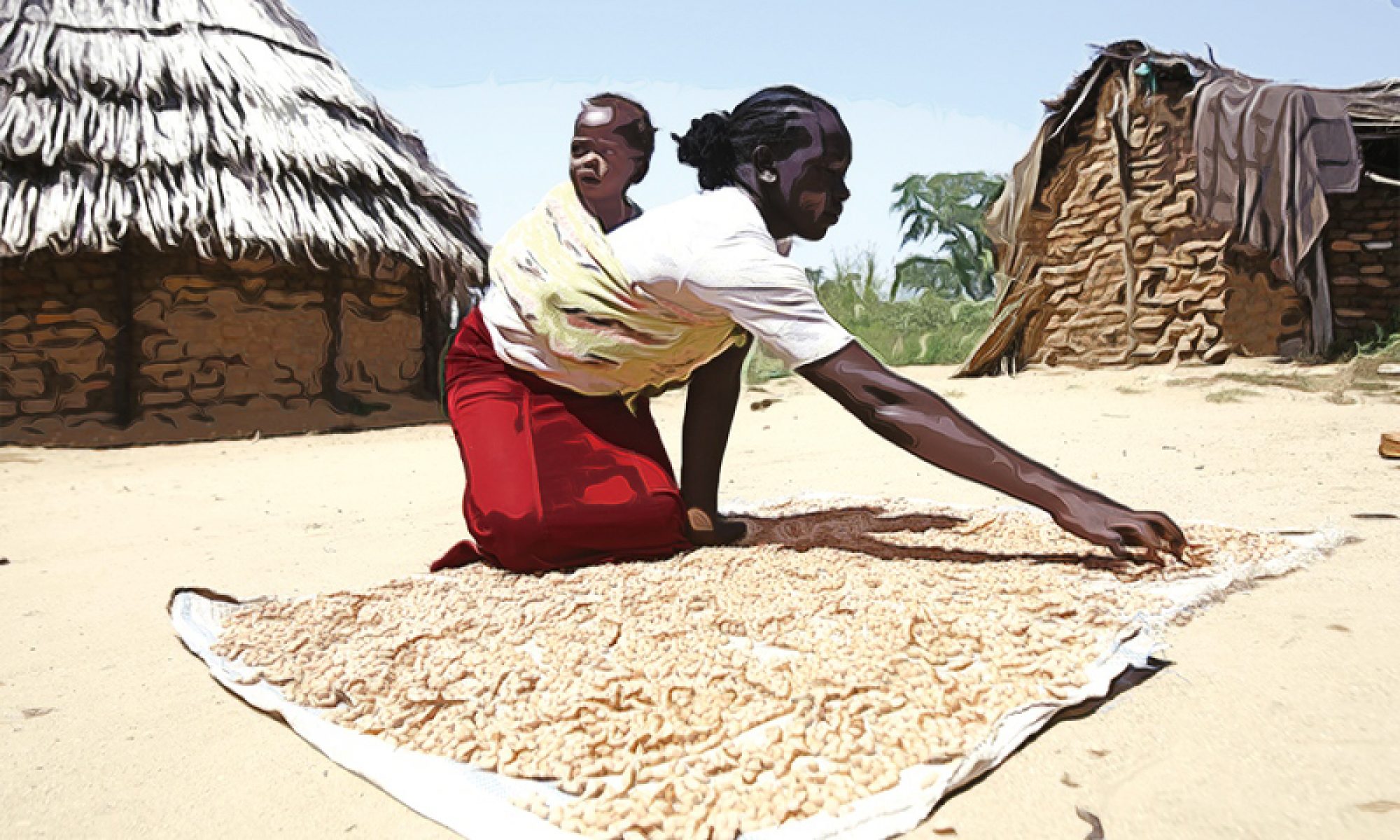

Sudan’s journey toward more inclusive policies has been shaped by decades of historical legacies, socio-political transitions, and ongoing efforts to align with international human rights standards. The policies affecting women and children have evolved from a period marked by rigid interpretations of customary and Sharia-based legal frameworks to one that increasingly recognizes the importance of gender equality and child protection. This report explores the development and current state of women and child policies in Sudan, highlighting progress made, persistent challenges, and prospects for a more just future.
Historical and Socio-Political Context
Legacy of Past Regimes
Historically, Sudan’s legal system has been influenced by a combination of Islamic law, customary traditions, and authoritarian political regimes. Under past governments, laws and policies often maintained conservative positions on family matters, gender roles, and the rights of children. This created a socio-legal environment where:
- Women’s rights were limited in areas such as inheritance, personal status, and participation in public affairs.
- Child protection measures were often secondary to traditional practices, with limited state intervention in issues such as child marriage and child labor.
Transitional Political Shifts
The ouster of long-term leadership in recent years, accompanied by the establishment of a transitional government, has spurred a policy reorientation. The transitional period brought renewed commitments to:
- Gender equality through constitutional declarations.
- Child rights aligned with international instruments such as the Convention on the Rights of the Child (CRC).
These shifts have energized a range of legislative and institutional reforms, setting the stage for more progressive policies.
Policy Framework and Legal Developments
National Legislative Reforms
In response to both domestic pressures and international advocacy, Sudan’s government has initiated several legal reforms, including:
- Amendments to Penal and Personal Status Laws: Recent revisions have sought to remove discriminatory provisions, enhance legal protection against gender-based violence, and improve the rights of women in marriage, divorce, and inheritance.
- Child Protection Laws: Efforts to introduce or consolidate a national child policy have focused on reducing vulnerabilities such as child marriage, child labor, and neglect, thereby ensuring that children receive education, healthcare, and a safe social environment.
Constitutional and Policy Commitments
Key policy documents and constitutional provisions now emphasize:
- Equal Rights: The Transitional Constitutional Declaration of 2019 includes commitments to gender equality and the protection of all citizens, particularly vulnerable groups such as women and children.
- International Alignment: Sudan has signaled its intent to align domestic law with international human rights standards, including ratifying or adhering more closely to treaties like the Convention on the Elimination of All Forms of Discrimination Against Women (CEDAW) and the CRC.
Institutional Structures
To implement these policy shifts, the government has taken steps to create or strengthen institutional mechanisms, such as:
- National Commissions and Councils: Bodies dedicated to women’s affairs and child protection have been established to coordinate policy implementation, monitor progress, and serve as interfaces between the government, civil society, and international partners.
- Collaboration with NGOs: Local and international non-governmental organizations actively support policy implementation through advocacy, capacity building, and direct service delivery in education, health, and legal assistance.
Implementation Mechanisms
Building and Training
- Judiciary and Law Enforcement: Training initiatives aim to sensitize police, judges, and social workers to the new legal frameworks, ensuring they can implement reforms and provide appropriate support to victims of gender-based violence and child abuse.
- Community Outreach: Awareness campaigns and community-based programs help disseminate information about rights and available support services, particularly in rural and marginalized areas.
Social Services and Protection Programs
- Health and Education Services: Policies now emphasize enhancing access to healthcare and education for women and children, with targeted programs designed to reduce maternal and infant mortality, improve school enrollment, and discourage early marriage.
- Safe Spaces and Legal Aid: Establishing safe spaces for women—especially survivors of violence—and legal aid clinics helps in both protecting rights and providing avenues for redress.
International Cooperation
- Technical and Financial Assistance: Sudan collaborates with international donors and United Nations agencies (including UNICEF and UN Women) to secure technical expertise and funding for implementing reforms.
- Monitoring and Evaluation: International partnerships also support the development of monitoring frameworks to assess the impact of policy interventions and ensure accountability.
Challenges in Policy Implementation
Despite significant efforts, several challenges remain:
Socio-Cultural Barriers
- Entrenched Traditional Norms: Deep-seated cultural practices and conservative attitudes continue to resist change, particularly in rural regions where customary laws hold sway.
- Community Resistance: Efforts to alter gender norms sometimes face pushback from local communities, impeding the full implementation of new, more equitable policies.
Institutional and Capacity Constraints
- Limited Resources: Both financial and human resource constraints hamper the effective rollout of services and monitoring systems.
- Decentralization Issues: Regional disparities and limited state presence in remote areas create inconsistencies in the application and enforcement of laws.
Political Instability
- Ongoing Transitional Dynamics: The fluid political environment and occasional instability pose risks to policy continuity and long-term planning.
- Conflict Legacies: Regions emerging from conflict face additional hurdles, including damaged infrastructure and weakened state institutions, which complicate the delivery of social services.
Achievements and Positive Developments
Legal and Policy Milestones
- Reforms in Personal Status Laws: Progressive amendments have begun dismantling some of the legal barriers that previously undermined women’s rights.
- Child Protection Measures: Implementation of child-focused policies has contributed to increased school attendance, reduced rates of child marriage, and improved health outcomes in some communities.
Strengthened Civil Society Engagement
- NGO-Led Initiatives: Numerous local organizations have emerged as vital partners in advocating for and defending the rights of women and children.
- Grassroots Empowerment: Community-based dialogues and support networks have fostered a growing awareness of rights among citizens, empowering them to demand accountability and change.
International Recognition
- Global Partnerships: Sudan’s commitments have attracted support from international donors and human rights bodies, lending momentum to policy reforms and creating avenues for technical assistance and knowledge exchange.
Future Directions and Recommendations
Strengthening Institutional Capacity
- Enhanced Training: Ongoing capacity building for law enforcement, judicial authorities, and social workers is critical to enforcing new legislative measures.
- Resource Allocation: Increasing budgetary allocations to social services and legal aid programs will help bridge current service gaps.
Deepening Community Engagement
- Culturally Sensitive Programs: Initiatives must be designed with an acute understanding of local cultural contexts to ensure community buy-in.
- Inclusive Policy Dialogues: Greater involvement of local leaders, women’s groups, and youth in policy planning and implementation can foster a sense of ownership and responsibility.
Ensuring Policy Continuity
- Political Commitment: A stable, long-term commitment from political leaders is essential to sustain and build upon current reforms.
- Monitoring and Accountability: Establish robust mechanisms for monitoring policy outcomes and ensuring transparency, including regular evaluations and public reporting.
Expanding International Cooperation
- Leveraging Global Expertise: Continued collaboration with international organizations and donor agencies can provide critical technical support and financial resources.
- Adopting Best Practices: Learning from successful models in comparable contexts can inform more effective policy and program implementation in Sudan.
Sudan’s evolving policy framework for women and children represents a significant departure from past practices and reflects a broader aspiration for equality and human rights. Although substantial challenges remain—from entrenched cultural barriers to institutional limitations—the progress made in recent years offers promising signs of transformation. By continuing to bolster institutional capacity, engage communities, and secure international cooperation, Sudan can work toward realizing a future where all women and children enjoy equal protection, opportunity, and justice.