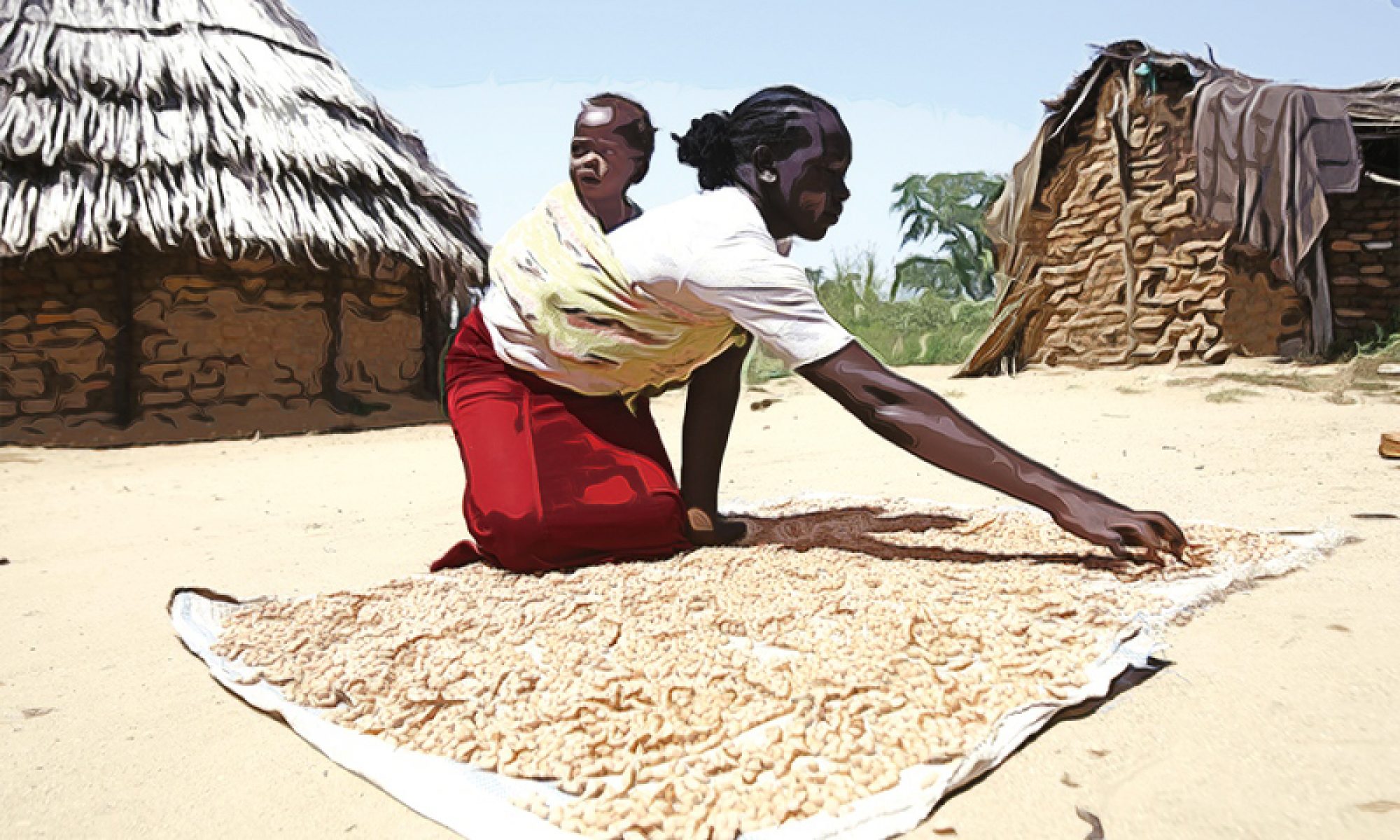

Darfur, a region in western Sudan, is often discussed in geopolitical contexts. Yet its culinary traditions—rooted in agrarian life and communal resilience—offer a rich narrative of culture, history, and community identity. At the heart of this rich tapestry are the women who have long been the custodians of Darfur’s culinary wisdom. Through oral transmission, daily practice, and festive celebration, they preserve and innovate recipes that are not only sustenance but also a living archive of tradition.
The Culinary Landscape of Darfur
Traditional Ingredients and Staples
Darfur’s cuisine is defined by the availability of local ingredients and the ingenuity with which they are transformed into nourishing meals under challenging conditions. Some of the defining elements include:
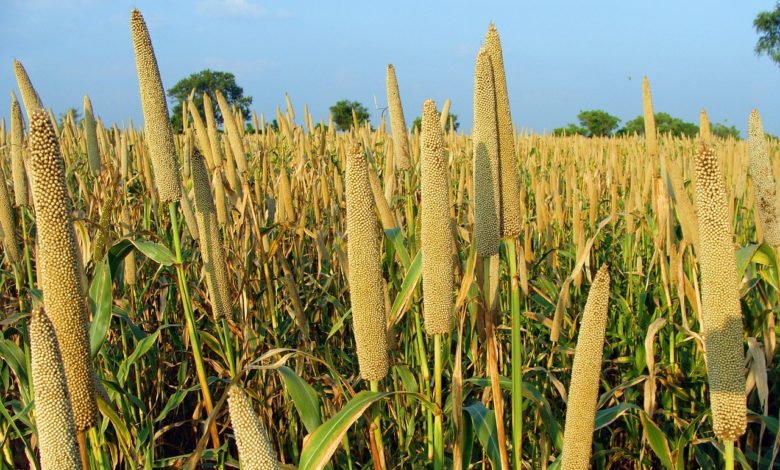
- Grains and Cereals: Millet & Sorghum are staple grains that are used to make porridges or thick, dough-like staples such as asida, a well-loved dish served with stews.
- Legumes and Vegetables: Regional legumes and seasonal vegetables play a central role in concocting hearty, nutrient-rich stews.
- Spices & Herbs: Flavor profiles are achieved with locally grown garlic, ginger, chili, and coriander, giving the dishes both warmth and complexity.
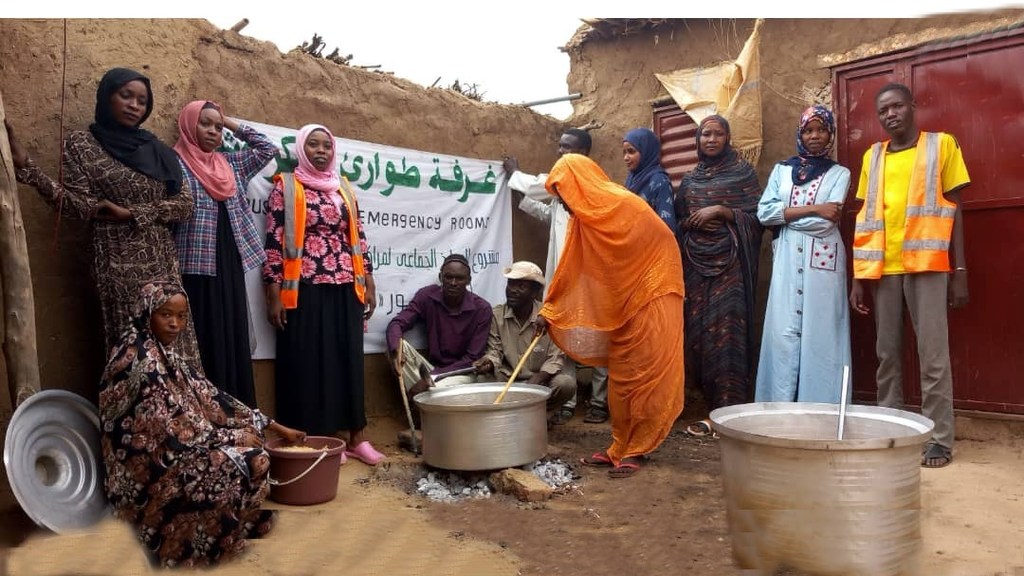
- Cooking Mediums: Traditional recipes often call for slow cooking in clay pots, open fires, or earthen ovens, techniques that intensify flavors and preserve the nutritional integrity of the ingredients.
Techniques and Tools
Cooking in Darfur is both a practical act and an art. Traditional methods often rely on:
- Mortar and Pestle: For grinding spices and processing grains.
- Clay Ovens and Earthen Pots: Employed to slow-cook stews and porridge, preserving moisture and enhancing the earthy flavors.
- Open Campfire Cooking: Which not only cooks the food but also infuses it with smoky, distinctive aromas.
These time-honored techniques have been passed down through generations, largely through the hands of Darfur’s women.
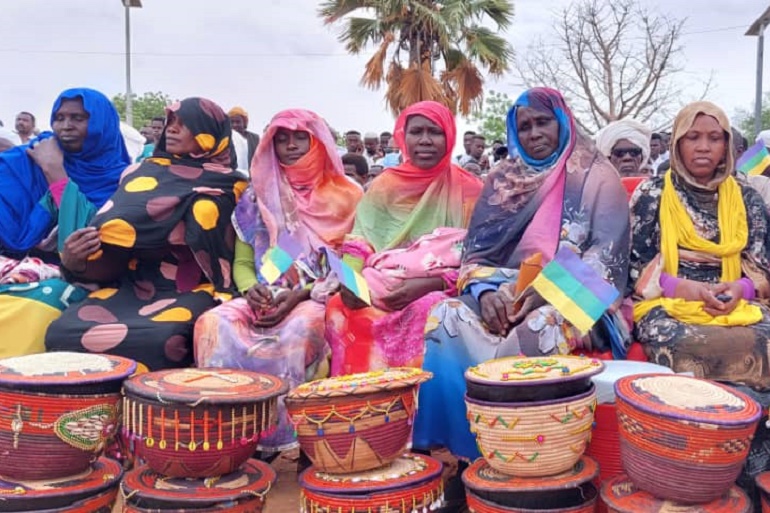
The Indispensable Role of Women
Custodians of Culinary Heritage
Women in Darfur are far more than preparers of meals; they are the archivists and innovators of their culture’s culinary narrative. Key aspects of their role include:
- Oral Transmission of Knowledge: Recipes and techniques are passed down verbally and through demonstration. The kitchen is a classroom where grandmothers, mothers, and aunts instruct younger generations in the art of balancing flavors, textures, and aromas.
- Cultural Narrators: Cooking sessions often coincide with the sharing of local stories, legends, and historical narratives. Every dish becomes an opportunity to impart cultural wisdom, preserve local idioms, and anchor community identity.
- Keepers of Adaptation: In response to economic challenges, seasonal variations, or even the disruptions caused by conflict, women have consistently adapted recipes while maintaining core traditions. By innovating within the framework of traditional recipes, they keep the cuisine both authentic and adaptive.
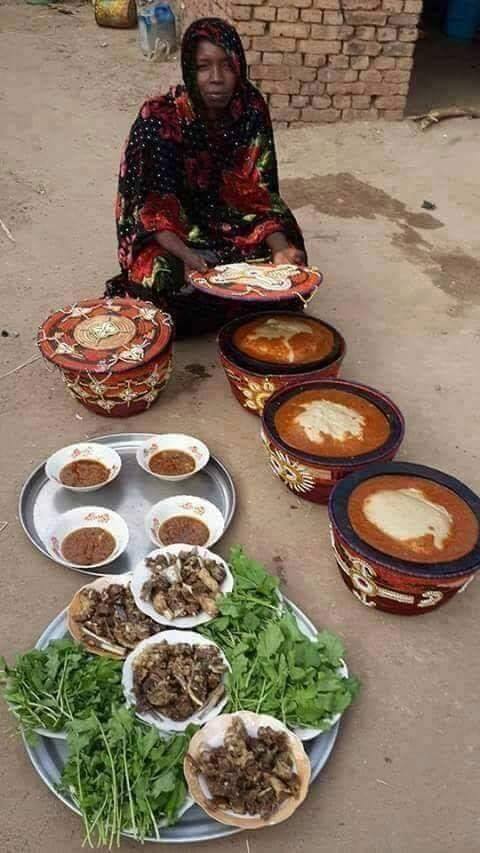
Women as Community Pillars
Even in times of displacement or political unrest, Darfuri women have been seen as stabilizing forces because:
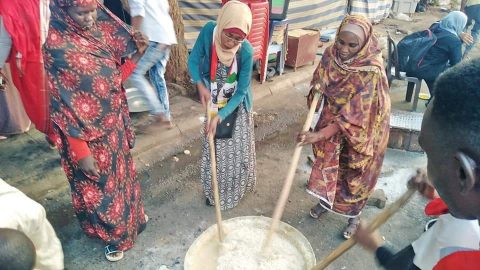
- Community Support: Food acts as a communal glue during festivals, weddings, and rites of passage. Women organize communal feasts not just to feed bodies but also to nurture the spirit of togetherness.
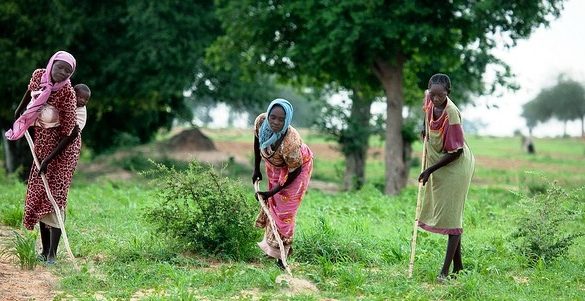
- Economic Activity: Beyond the home, many women partake in small-scale agricultural production, food processing (such as drying grains or preserving vegetables), and sometimes local trade. Their expertise ensures the local food supply remains both varied and robust.
- Documentation and Transmission: As modernization encroaches, there is a growing recognition of the need to document these culinary practices. Many community initiatives and NGO projects now focus on recording recipes and cooking methods, often relying on the firsthand experiences of traditional cooks.
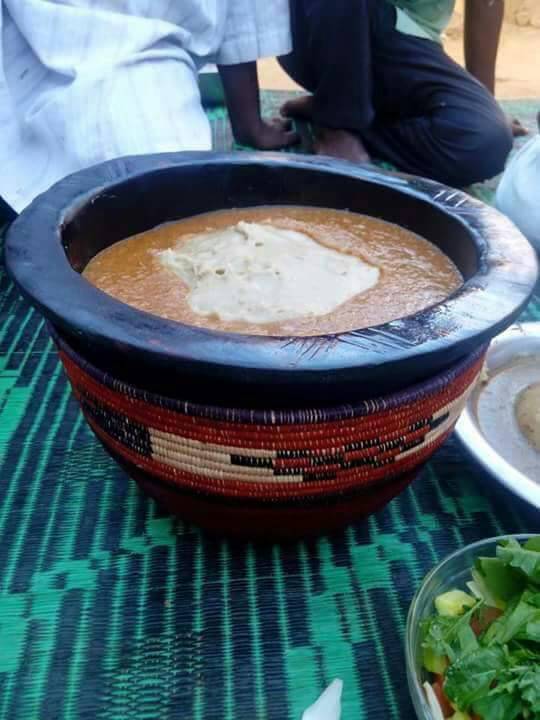
Culinary Techniques and Rituals
The cyclic nature of agriculture in Darfur shapes culinary habits significantly:
- Seasonal Recipes: Women adapt recipes to suit the ingredients available throughout the year. For example, during harvest times, surplus grains and vegetables might be preserved by drying or fermenting, ensuring that vital nutrients are available during leaner periods.
- Fermentation and Processing: Traditional techniques such as fermenting grains not only create distinctive flavors but also boost the nutritional profile of foods, allowing communities to thrive in hard times.
Celebratory and Ritualistic Aspects
Festivals and communal gatherings are infused with culinary traditions where:
- The Kitchen as a Social Hub: The act of cooking becomes a shared ritual, with women gathering to prepare large communal meals during events like weddings or religious celebrations. These moments are as much about reinforcing social bonds as they are about food.
- Evolution of Recipes: Every celebration is an opportunity to refresh traditional recipes. Unique ingredients may be introduced or techniques refined, ensuring that while the essence remains, the cuisine continually evolves with new inputs and influences.
Challenges, Adaptations, and Future Directions
External Challenges
- Conflict and Displacement: Years of conflict in the region have disrupted traditional ways of life. Yet, the resilience of Darfuri women shines through as they maintain culinary practices even in refugee camps or displaced populations.
- Modernization Pressures: The influx of industrialized food and urban lifestyles presents both a challenge and an opportunity. While some traditional practices risk being diluted, there is also a burgeoning movement to document and celebrate authentic Darfur cuisine as a counter-narrative to globalization.
Embracing Change While Preserving Essence
- Documentation Initiatives: Local organizations and international NGOs are beginning to recognize the importance of preserving and documenting culinary traditions. Workshops on food preservation, storytelling sessions around recipes, and community cookbooks have started emerging as vital tools in this cultural preservation.
- Empowerment of Culinary Practitioners: Training programs that blend traditional knowledge with modern techniques (for example, food safety and nutrition) are empowering women to continue their roles as cultural custodians while also opening new economic opportunities.
Darfur’s cuisine is a vibrant expression of the region’s history, geography, and communal resilience. Through the slow simmer of a stew, the grinding of millets in a clay mortar, and the careful preservation of time-honored recipes, women in Darfur uphold more than just culinary practices. They are the living memory keepers, ensuring that the culture, identity, and history of their communities continue to flourish despite adversity.