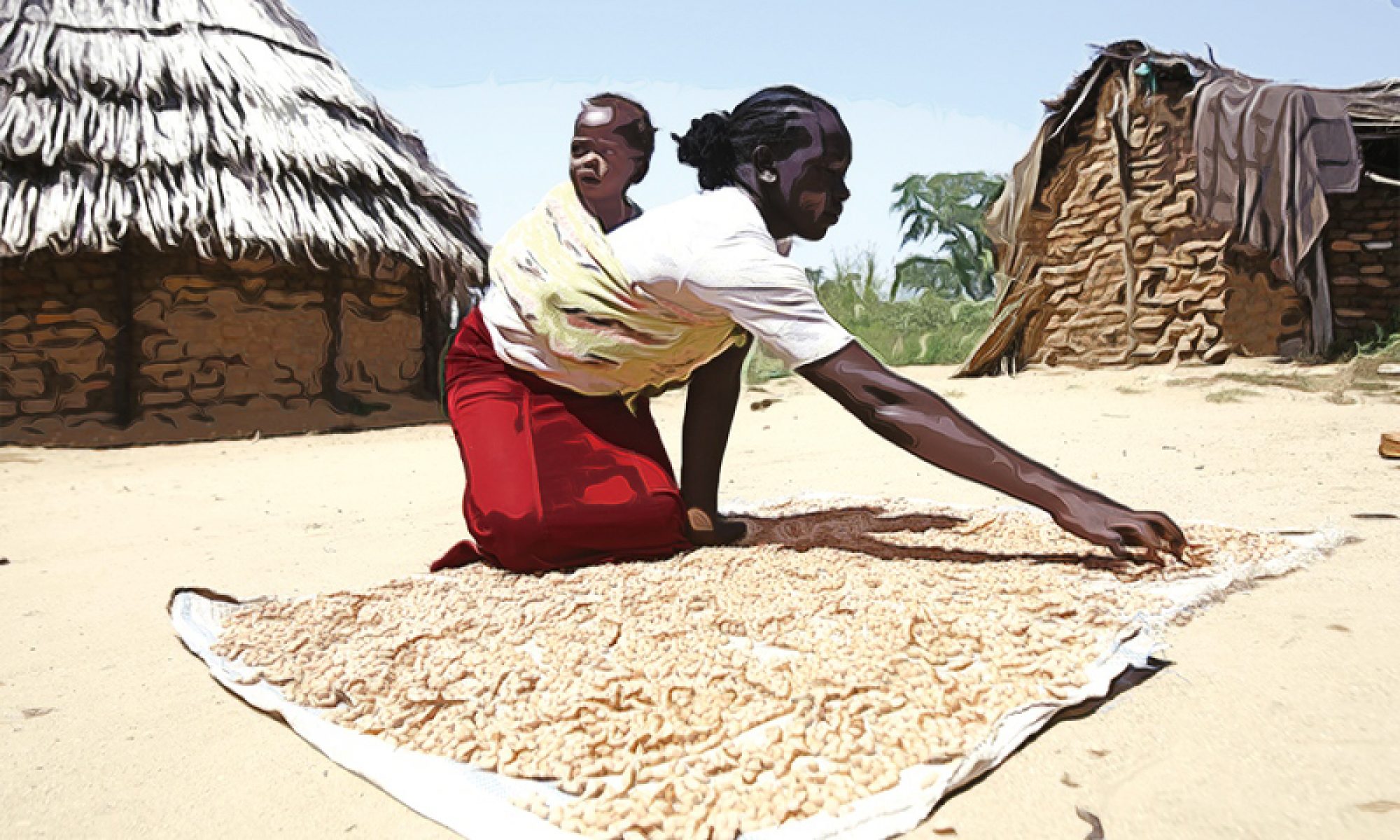

Darfur, a region in western Sudan, has long been a vibrant tapestry of creative expression. Its arts and crafts reflect centuries of heritage, cultural symbolism, and the intimate relationship between nature, spirituality, and community. Central to this legacy are the women of Darfur, who, through their hands and hearts, have safeguarded and nurtured these traditions despite challenges. Whether it is through weaving, pottery, or the intricate art of hinna tatos, their contribution secures a living memory of cultural identity.
The Cultural Landscape of Darfur Arts and Crafts
Historical and Social Context
- Ancient Roots: Darfur’s artistic traditions trace back generations and echo the profound connection to nature, spirituality, and local mythology. Designs, motifs, and techniques reveal stories of ancestral wisdom and communal identity.
- Ethnic Diversity: With numerous ethnic groups—such as the Fur, Zaghawa, and Masalit—contributing their unique styles, Darfur’s arts embody a rich intermingling of cultural symbols, patterns, and traditions.
- Resilience Through Creativity: Amidst political and economic upheavals, creative expressions such as crafts not only serve aesthetic and utilitarian purposes but also act as a form of cultural resistance and remembrance.
Forms and Techniques
Darfur’s craft traditions encompass a broad spectrum of creative practices, several of which are intricately linked to the natural environment and storytelling. Key art forms include:
- Textile Weaving and Embroidery: Women skillfully weave intricate fabrics and embroider textiles with geometric and symbolic motifs. These designs often represent natural elements and ancestral legends, turning each piece into a narrative of its own.
- Pottery and Ceramics: Utilizing locally sourced clay and traditional kilns, artisans fashion both everyday vessels and ceremonial pieces. The decorative details on these items mirror natural patterns and serve as markers of cultural rites.
- Leatherwork and Beadwork: Crafted from native leather and adorned with bright, hand-selected beads, these works not only produce functional items like bags and ornaments but also communicate social messages regarding status and heritage.
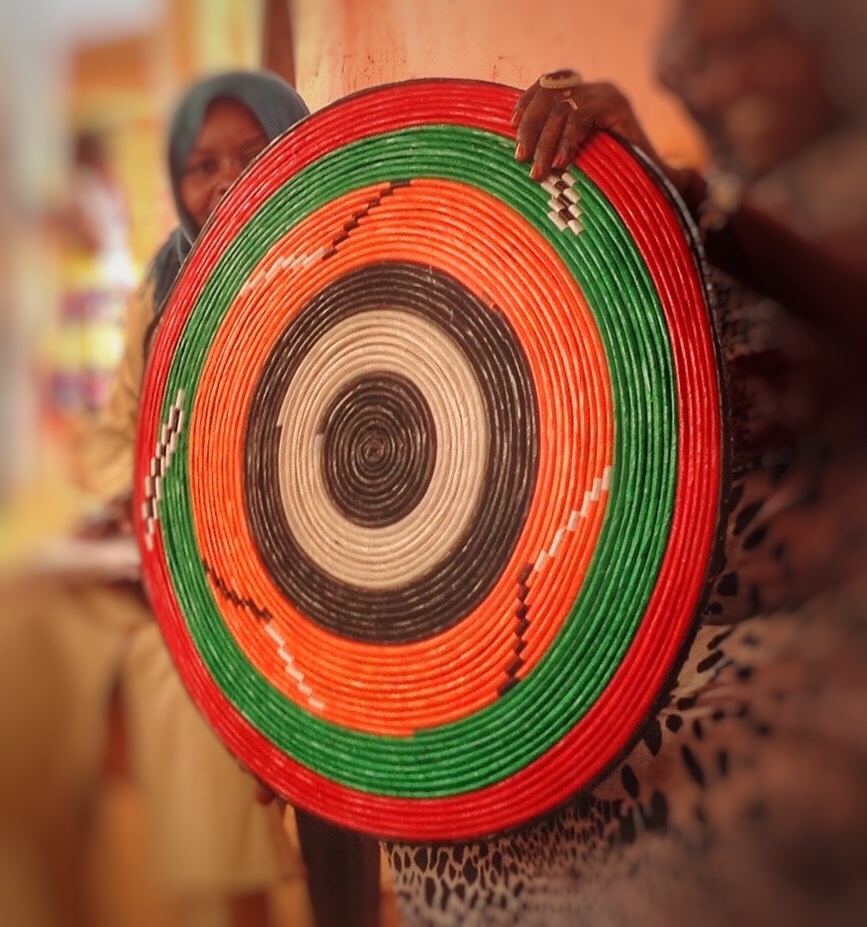
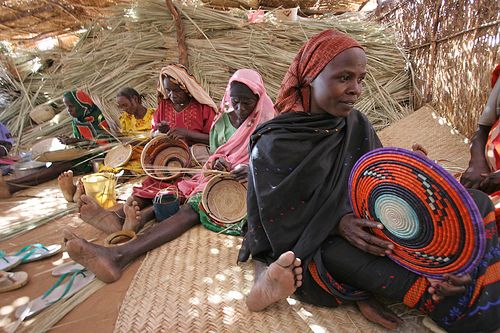
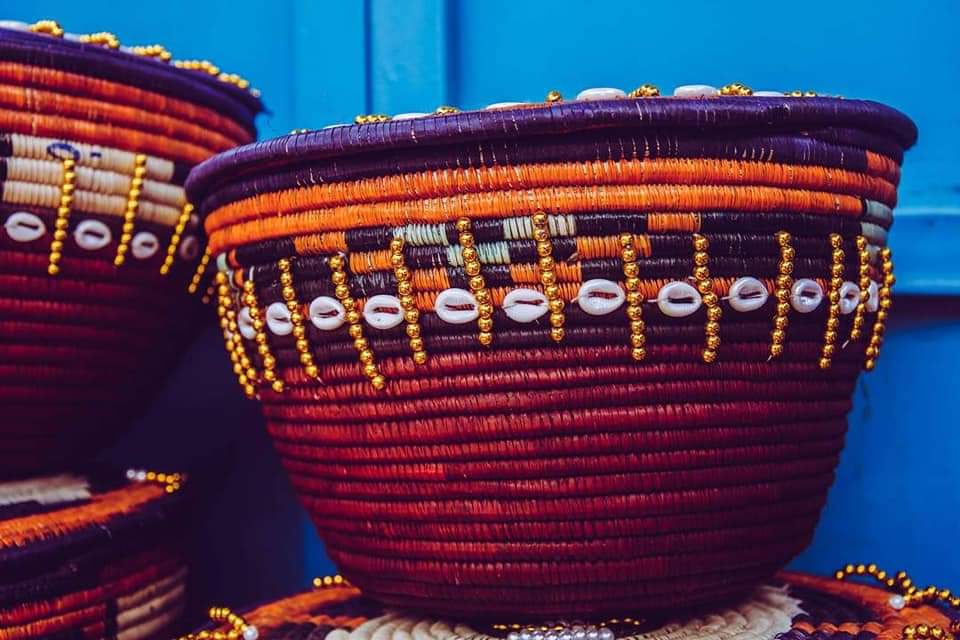
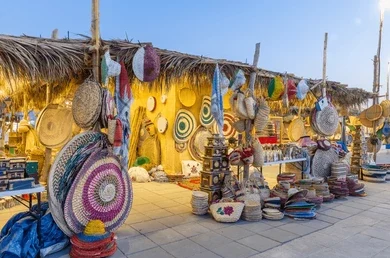
- Basketry and Weaving of Natural Materials: Using palm fronds, reeds, and grasses, artisans create baskets, mats, and other household objects. The weaving techniques demonstrate a deep, respectful knowledge of nature’s bounty and cyclical rhythms.
- Hinna Tatos (Henna Art): Perhaps one of the most visually striking forms, hinna tatos are traditional henna body designs applied during celebrations and rites of passage. Women prepare a natural henna paste and use delicate, time-honored techniques to create intricate patterns on hands, feet, and sometimes other parts of the body. Beyond mere decoration, these temporary tattoos embody symbols of fertility, beauty, and communal belonging. They serve as both personal adornment and public declarations of cultural identity, with each design steeped in meaning passed down through generations.
The Role of Women in Preserving Traditional Patterns and Customs
Custodians of Cultural Memory
Women are the heart of Darfur’s craft traditions. Their roles include:
- Oral Tradition and Apprenticeship: In the informal “classrooms” of home and community, older women pass on techniques—from weaving and pottery to the meticulous artistry of hinna tatos—to younger generations. Each demonstration is intertwined with stories, symbolic meanings, and historical context.
- Ritual and Daily Practice: Crafting is a ritualistic act. Whether it is the rhythmic motions of embroidery or the careful drawing of henna patterns, every step is imbued with cultural significance. This everyday artistry reinforces community identity and sustains spiritual connections.
- Community Leadership: Women often gather in communal sessions where crafts are shared, innovations are discussed, and traditions reaffirmed. These gatherings strengthen social bonds, ensuring the patterns and customs remain dynamic yet deeply rooted in tradition.
Economic Empowerment and Cultural Revitalization
- Livelihoods and Market Integration: Many women transform traditional craftsmanship into economic opportunity. By marketing textiles, pottery, and henna art—sometimes under the label of “cultural heritage”—they generate income while elevating local artisanship to a global stage.
- Innovative Synthesis: While gracefully upholding tradition, women are not averse to gentle innovation. They blend modern influences with time-honored methods, ensuring that crafts like hinna tatos remain appealing to both local audiences and international collectors.
- Educational Initiatives: Workshops, cooperative groups, and NGO-supported projects focus on skill documentation and business training. These endeavors empower women and ensure that traditional methods are not lost to modern industrial pressures.
Traditional Patterns, Techniques, and Their Preservation
Signature Patterns and Motifs
Darfur’s arts are defined by symbolic patterns that convey layered meanings:
- Geometric Motifs: Styles in weaving, pottery, and henna art feature recurring geometric designs that symbolize natural elements such as rivers, dunes, and celestial bodies.
- Repetition and Rhythm: The recurring nature of motifs and patterns reinforces community identity. In hinna tatos, repetition not only enhances beauty but also serves as a repository of cultural memory and folklore.
- Color and Natural Dyes: From natural plant-based dyes in textiles to the organic hues of henna, color is used deliberately to indicate social status, environmental reverence, or spiritual symbolism.
Techniques and Tools Preserved by Women
The methods of crafting are as significant as the final works of art:
- Traditional Equipment: Handlooms, carved wooden tools, and clay ovens form a part of the traditional toolkit. For henna art, simple tools such as fine applicator cones or sticks are used to carefully control the flow of henna paste onto the skin.
- Processes and Rituals: Each craft involves a sequence of deliberate steps passed down through generations. From the careful preparation of natural dyes to the precise craftsmanship required for hinna tatos, the process itself is an art form steeped in tradition.
- Cultural Transmission: Techniques are transmitted by example and practice rather than through written records. The very act of applying henna is as much about technique as it is a communal ritual, where each brushstroke connects the past with the present.
Challenges and Future Directions
Challenges
- Modernization and Globalization: The exposure to industrial products and mass-produced designs can erode the authenticity and local value of traditional crafts. Ensuring that arts like hinna tatos retain their cultural meaning stands as a pressing challenge.
- Conflict and Economic Instability: The region’s turbulent history and ongoing political pressures have disrupted traditional markets and threatened the transmission of craft knowledge.
- Documentation and Cultural Appropriation: Many techniques, orally transmitted and practiced in intimate community settings, risk being lost without proper documentation. Issues of cultural appropriation also emerge when traditional designs are used outside their original context without due credit.
Future Directions
- Digital Documentation and Archives: Leveraging technology to record the rich heritage—videos of the henna art process, digital collections of textile patterns, and interactive databases of traditional methods—could preserve these arts for future generations.
- Empowerment and Market Access: Expanding educational and entrepreneurial initiatives can help local artisans, particularly women, gain access to broader markets and fair compensation for their work.
- Cultural Tourism and Global Collaboration: Promoting cultural tourism and international art collaborations can spotlight the unique craftsmanship of Darfur, inspiring a renewed global appreciation for traditions such as hinna tatos and other local art forms.
Darfur’s arts and crafts are a living archive of cultural identity—vividly expressed through woven fabrics, shaped clay, crafted leather, and the delicate, ephemeral beauty of hinna tatos. Women are the steadfast custodians of these practices, nurturing traditions that speak of both the fragility and the resilience of history. Their daily commitment not only ensures the survival of these art forms but also adapts them to meet the challenges of a modern world, turning heritage into a source of both cultural pride and economic empowerment.