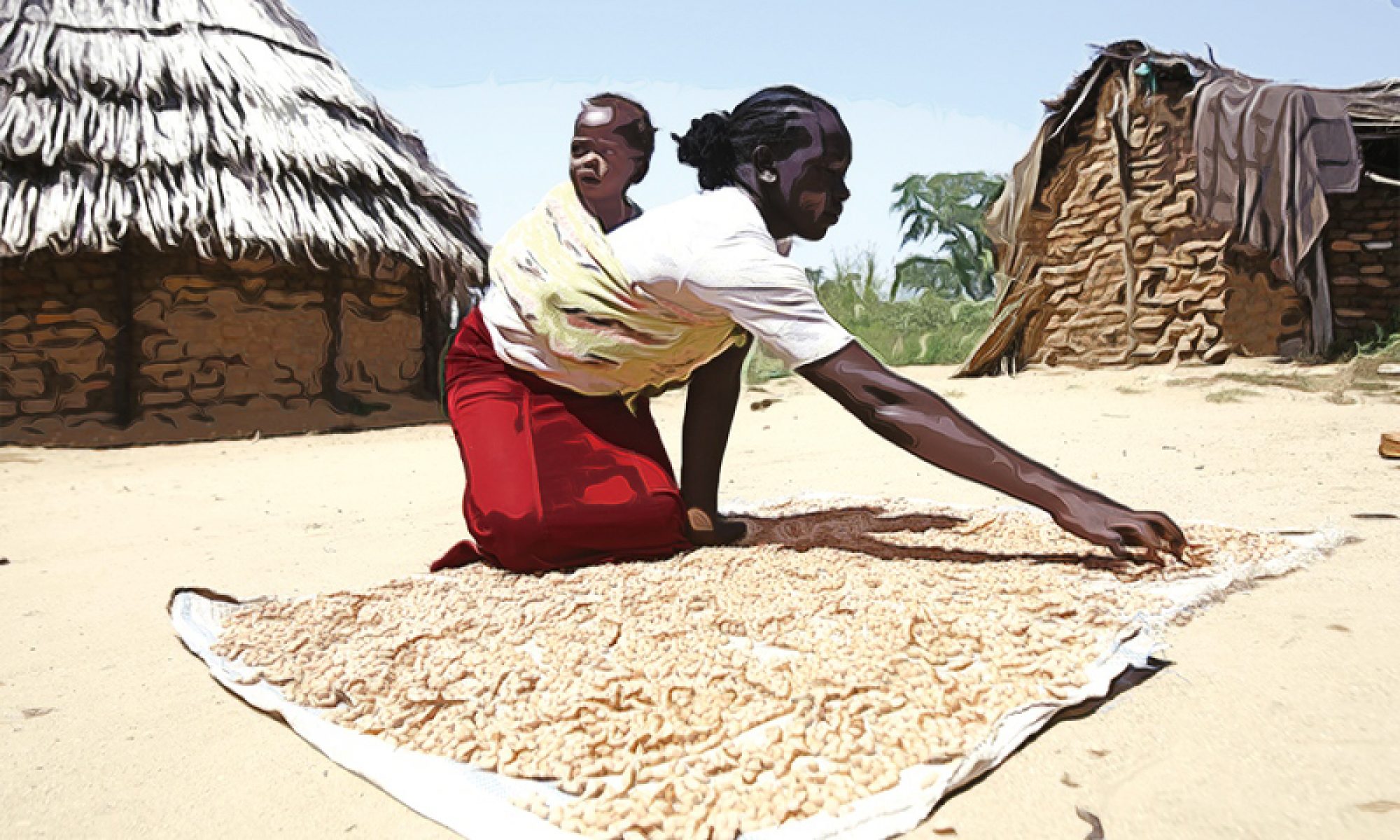

Darfur has experienced protracted conflict, displacement, and chronic under investment in public services for decades. These factors have profoundly affected the health sector, particularly for women and children who bear a disproportionate burden of the crisis. The ongoing instability has led to a fragmented healthcare system, where access to quality, comprehensive care remains limited and variable across different communities.
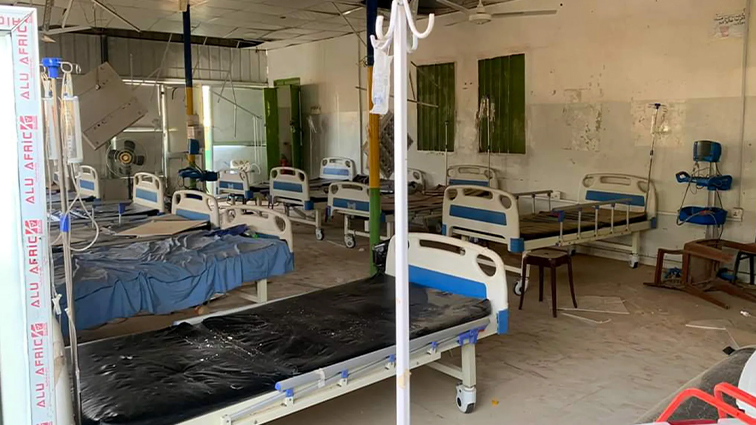
Health Infrastructure and Service Delivery
- Limited Facilities and Resources: Many communities in Darfur rely on a fragile network of primary health care centers. Infrastructure is often rudimentary, and facilities are short on essential supplies, medications, and trained medical personnel. Health posts, mobile clinics, and outreach programs attempt to fill gaps where permanent structures are damaged or inaccessible.
- Human Resource Constraints: Chronic shortages of healthcare professionals, especially female healthcare workers, hinder the effective delivery of services. This gap affects sensitive areas such as maternal health, where cultural preferences often necessitate female caregivers.
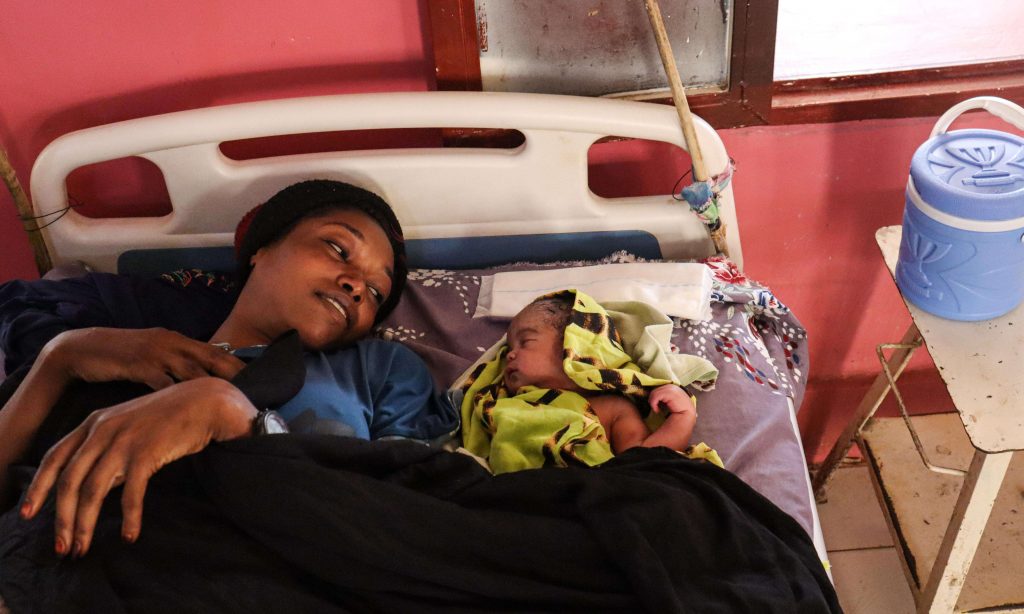
Maternal, Reproductive, and Child Health
- Maternal Health: Women in Darfur face high maternal mortality rates exacerbated by limited access to antenatal care, emergency obstetric services, and skilled birth attendants. Obstacles include both physical access and socio-cultural impediments that delay obstetric care.
- Child Health: Children confront multiple health challenges, ranging from high rates of malnutrition and infectious diseases to insufficient immunization coverage. Displacement and crowded living conditions contribute to the spread of preventable illnesses such as measles, diarrhea, and respiratory infections.
- Reproductive Health Services: Access to family planning, safe abortion (where legally allowed), and reproductive health education remains sporadic. Programs that aim to address these gaps are often interrupted by insecurity and the broader humanitarian crisis.
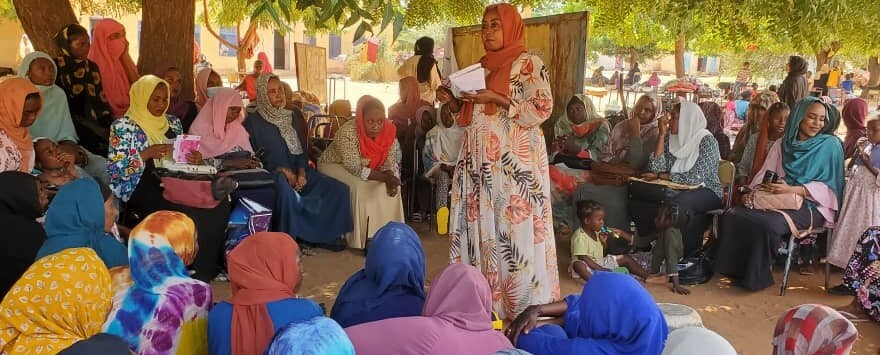
Mental Health and Psychosocial Support
- Impact of Trauma: The legacy of conflict leaves deep psychological scars in communities. Many women and children experience post-traumatic stress disorder (PTSD), depression, and anxiety. However, mental health services are severely under-resourced, with few specialized professionals available to offer appropriate support.
- Community-Based Interventions: Amid these challenges, some programs have emerged that integrate psychosocial support with primary care. These initiatives provide counseling, community groups, and peer support programs to address both individual trauma and community healing.
Ongoing Initiatives and Innovations
- Mobile Clinics and Outreach Programs: To bridge geographical and security gaps, several NGOs and international agencies have deployed mobile health units. These units travel to remote and conflict-affected areas, offering basic health care, vaccination campaigns, and maternal health services.
- Capacity Building and Training: Programs focusing on “training-the-trainer” models are being implemented to build local capacity. These initiatives aim to expand the pool of community health workers, enhance skills in emergency obstetric care, and promote better disease surveillance.
- Integrated Health Services: Some projects are experimenting with integrated approaches that combine nutrition support, immunization, and maternal-child health services. This holistic approach is particularly beneficial in displacement camps where both acute and chronic health needs converge.
- Digital Health Solutions: Given the challenges accessing traditional facilities, digital health interventions—such as telemedicine platforms and mobile-based health information systems—are being piloted. These tools help disseminate vital health education, manage diseases remotely, and coordinate emergency responses.
Key Challenges
- Security and Access: Sporadic violence and displacement continue to disrupt the regular operation of health services. Insecurity can lead to sudden closures of health facilities, making consistent care delivery a complex logistical challenge.
- Funding and Resource Limitations: Chronic underfunding and an over-reliance on humanitarian aid create uncertainty for long-term planning. Resource constraints mean many life-saving programs are dependent on volatile aid flows rather than sustainable state-funded models.
- Cultural and Structural Barriers: Deep-seated gender norms and social stigmas often limit women’s ability to seek care, particularly in reproductive and mental health. Overcoming these challenges requires culturally sensitive outreach and community engagement.
Future Outlook and Recommendations
- Strengthen Local and International Partnerships: Building resilient health systems in Darfur will require coordinated efforts among local governments, NGOs, international organizations, and donor agencies to secure sustainable funding, training, and infrastructure support.
- Expand Community-Based Approaches: Empowering local communities through training and mobilization can create more responsive and context-sensitive health services. This includes bolstering mobile clinics, community health worker networks, and integrating mental health services.
- Enhance Digital and Mobile Health Innovations: Scaling up digital health initiatives can help overcome connectivity and access barriers. Expanding telemedicine, SMS-based health alerts, and digital training programs can ensure that vital health information reaches those in remote areas.
- Address Cultural Barriers: Initiatives that work directly within communities to challenge stigma, improve health literacy, and foster gender sensitivity are critical. Engaging local female leaders and educators can help shift cultural norms and empower more women to seek care.
The health sector for women and children in Darfur is marked by significant challenges rooted in prolonged conflict, resource constraints, and cultural barriers. Nevertheless, innovative approaches and dedicated initiatives—in mobile health services, capacity building, and digital health—are creating important inroads. Strengthening these programs, fostering partnerships, and ensuring culturally sensitive approaches are essential steps toward building a more robust, inclusive, and resilient healthcare system for the most vulnerable populations in Darfur.